


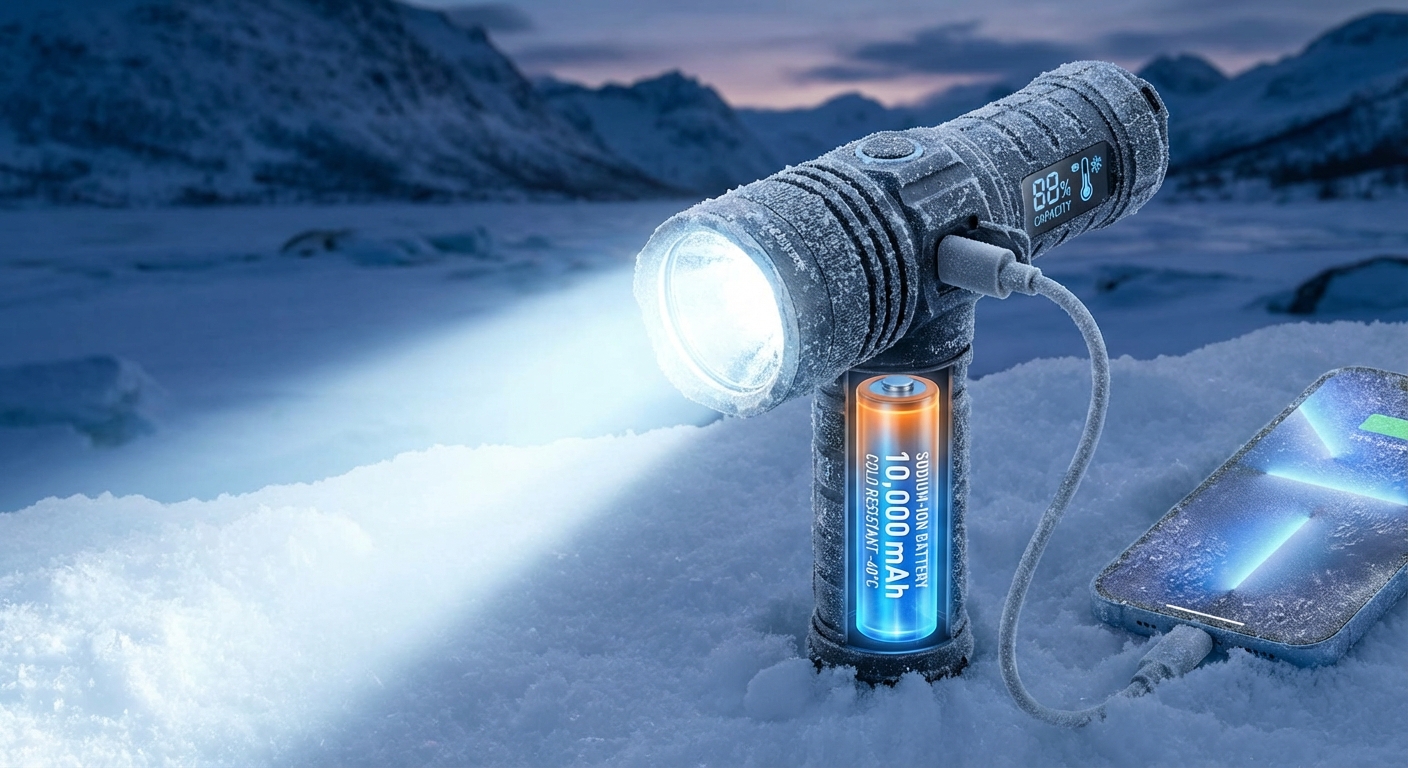

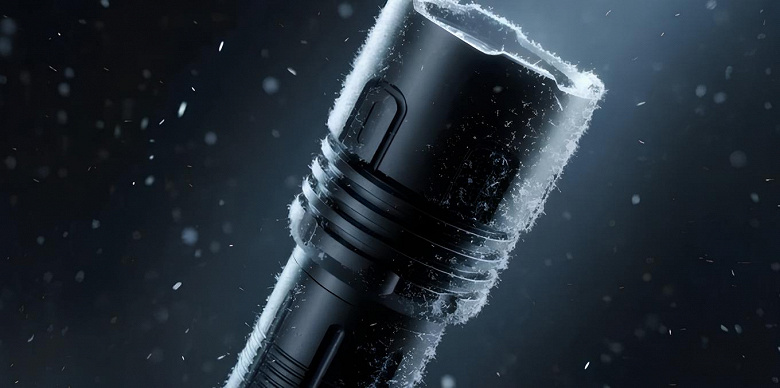
A new flashlight, the Sodiumfrostglow, is making waves not for its brightness, but for its core technology: a sodium-ion battery. This might seem like a minor detail, but it represents a significant technological shift away from the industry-standard lithium-ion, especially for performance in extreme cold. The device, which successfully completed a crowdfunding campaign, is a notable example of sodium-ion chemistry moving into consumer electronics.
The Problem with Cold
For anyone who relies on electronic devices in freezing conditions, the struggle is real. Standard lithium-ion batteries suffer a dramatic performance drop in the cold. Chemical reactions slow down, internal resistance increases, and a significant portion of the battery’s capacity becomes unusable. The makers of the Sodiumfrostglow claim that while lithium-ion batteries can lose up to 85% of their capacity at -40°C, their sodium-ion battery retains about 88% under the same conditions. This superior performance in low temperatures is a key advantage of sodium-ion chemistry.
A Closer Look at the Sodiumfrostglow
Beyond its innovative battery, the Sodiumfrostglow is a capable outdoor tool. It features a 10,000 mAh battery that also functions as a power bank, capable of charging other small devices like smartphones or GPS units. It charges via USB-C at up to 10W and provides a 5W output. The flashlight delivers a powerful 2,500 lumens of brightness. The manufacturer also touts a long lifespan of over 3,000 full charge cycles and better resistance to deep discharge compared to its lithium-ion counterparts. For early backers on Indiegogo, the price is approximately $73.
The Bigger Picture: The Rise of Sodium-Ion
The Sodiumfrostglow is more than just a flashlight; it’s a glimpse into the future of battery technology. Sodium-ion batteries are gaining significant traction as a viable alternative to lithium-ion for several reasons:
- Abundance and Cost: Sodium is one of the most abundant elements on Earth, found in common salt, making it significantly cheaper and more widely available than lithium. This could reduce manufacturing costs by 30-40% compared to lithium-based cells.
- Safety: Sodium-ion chemistry is generally considered safer, with a lower risk of thermal runaway and fire compared to some lithium-ion types.
- Supply Chain Stability: With lithium resources concentrated in a few regions, sodium offers a path to more localized and geopolitically stable supply chains.
Major battery manufacturers like CATL and BYD are heavily investing in sodium-ion technology, primarily for electric vehicles (EVs) and large-scale grid storage. In fact, the first mass-produced passenger EV powered by sodium-ion batteries is scheduled to hit the market in mid-2026.
A Look to the Future
While sodium-ion batteries currently have a lower energy density than high-performance lithium-ion cells, making them less suitable for devices where weight and size are paramount, their advantages are undeniable. The Sodiumfrostglow flashlight is a pioneering product, demonstrating a practical application where the trade-offs are well worth it. We can expect to see this technology appear in other consumer electronics where extreme temperature resilience, safety, and cost are more critical than minimal size-think power banks, portable power stations, and certain vehicles. This shift could not only make technology more reliable in harsh environments but also democratize energy storage by reducing dependence on a strained lithium supply chain.