



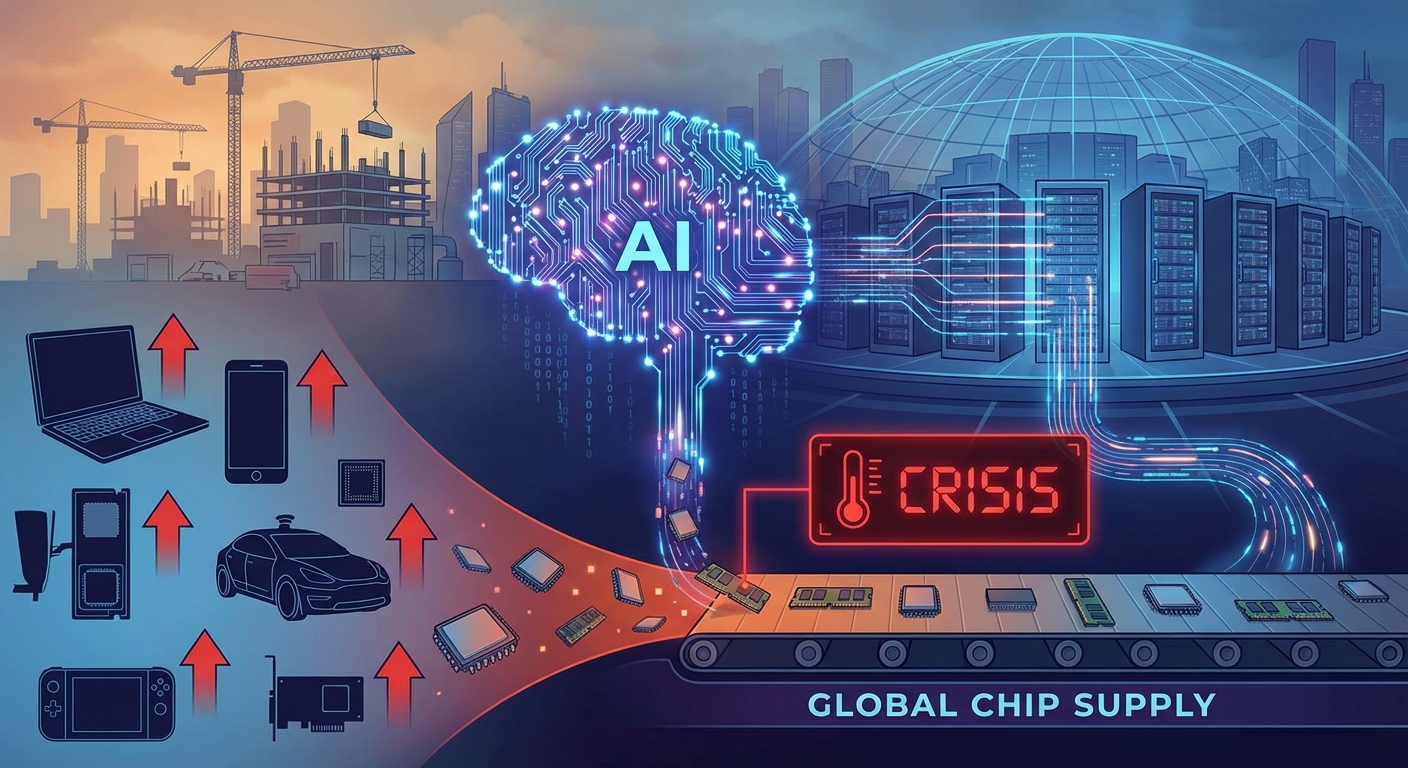

A growing number of technology industry leaders, including Elon Musk and Tim Cook, are warning of a looming global crisis: a shortage of memory chips is beginning to negatively impact profits, disrupt corporate plans, and drive up prices for everything from laptops and smartphones to cars and data centers-and the situation is only expected to worsen. Companies like Tesla, Apple, and a dozen other major corporations have stated that the deficit of DRAM-the fundamental building block of nearly all technology-will limit production. Cook warned that this would reduce the profitability of the iPhone. Micron Technology Inc. has called this bottleneck “unprecedented.”
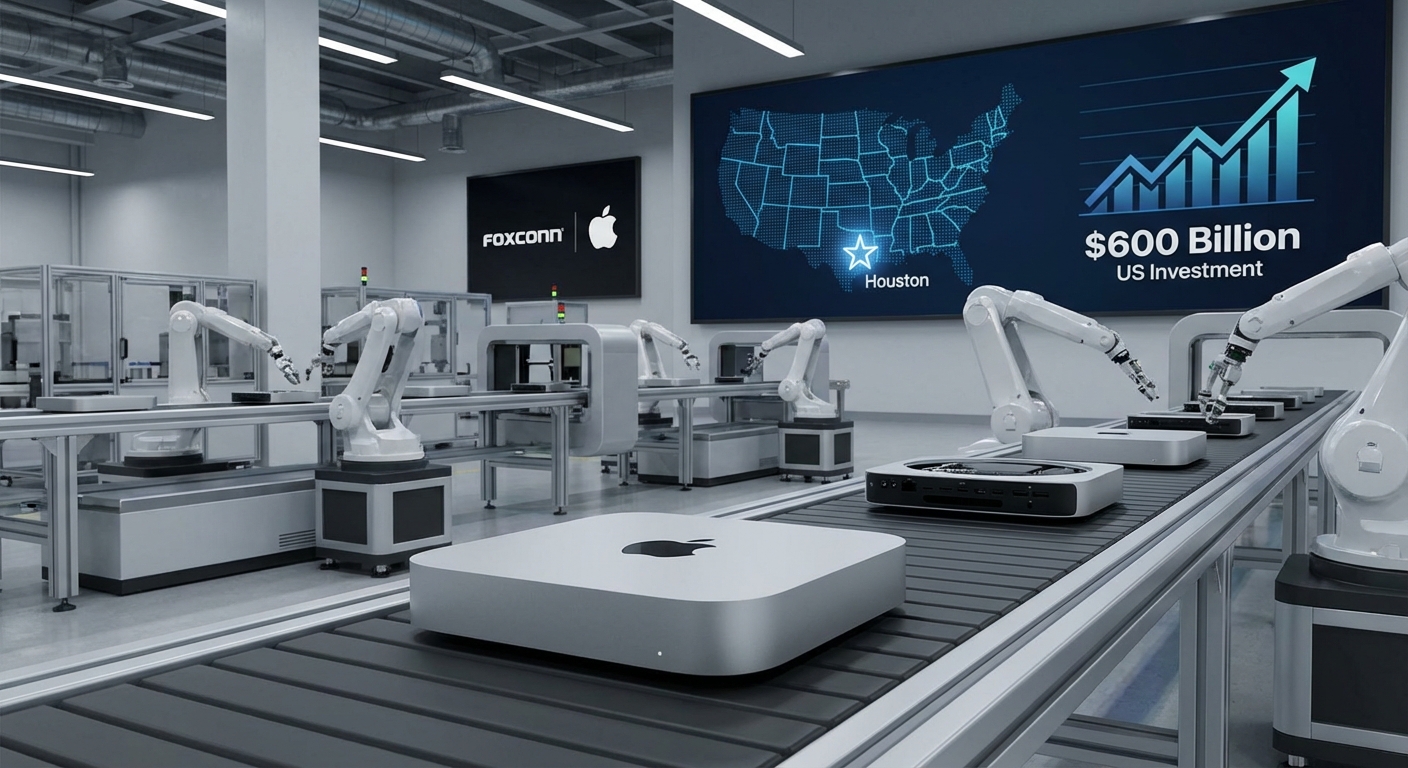
Musk highlighted the intractability of the problem, stating that Tesla may have to build its own memory factory. “We have two options: face a chip shortage or create our own production,” he said at the end of January. This isn’t just talk; reports indicate Tesla is already constructing a chip packaging facility in Texas, with production slated to begin in late 2026.
The AI Fueling the Fire
The core of the crisis lies in the explosive growth of artificial intelligence. Tech giants like Google, Amazon, and Microsoft are buying up massive quantities of high-performance memory for their AI data centers, redirecting manufacturing capacity away from the consumer market. This structural shift prioritizes high-margin, specialized memory like HBM (High Bandwidth Memory) needed for AI accelerators, leaving conventional DRAM for PCs and smartphones in short supply. As a result, the big three memory manufacturers-Samsung, SK Hynix, and Micron-are reallocating their production lines to cater to the lucrative AI sector.
“We are on the cusp of something bigger than anything we have ever faced before,” stated Tim Archer, CEO of Lam Research Corp., a supplier of chip manufacturing equipment, at a conference in South Korea this month. “What awaits us through the end of this decade in terms of demand surpasses anything we have seen in the past and will, in fact, surpass all other sources of demand.”
A Parabolic Price Surge
The market imbalance is causing prices to skyrocket. Mark Li, an analyst at Bernstein who tracks the semiconductor industry, stated that memory chip prices are rising “parabolically.” Recent market analysis confirms this, with some forecasts predicting that DRAM prices for PCs could increase by over 80% in the first quarter of 2026 alone. Some analysts from TrendForce have revised their forecasts upwards, now expecting a staggering 90-95% price hike for DRAM in the same period. This surge is already being felt in the retail market, where prices for some high-capacity DDR5 kits have quadrupled in just a few months.
Industry in Reaction Mode
The industry is scrambling to respond. Memory manufacturers are investing in new facilities, but building new fabrication plants is a slow process that can take at least three years. Micron recently announced the acquisition of a nearly new factory in Taiwan from PSMC to quickly boost its DRAM production capacity, with the new output expected to come online in the second half of 2027. Meanwhile, Samsung and SK Hynix are racing to ramp up production of the next generation of high-bandwidth memory, HBM4, to meet the insatiable demand from AI clients like Nvidia. However, the crisis extends beyond just memory, with Apple also facing shortages of critical materials like high-grade fiberglass fabric needed for chip substrates, further complicating the supply chain.
A Look to the Future
The consensus among analysts is that the shortage is not a short-term problem but a structural crisis that could last until 2027 or 2028. This prolonged deficit will likely lead to continued price increases for consumer electronics, force manufacturers to make compromises on device specifications, and could even slow the pace of innovation across the tech landscape. The current situation marks the beginning of a new “supercycle” in the memory market, fundamentally reshaped by the relentless demands of the artificial intelligence revolution.