


The Ticking Clock on Traditional Office Work
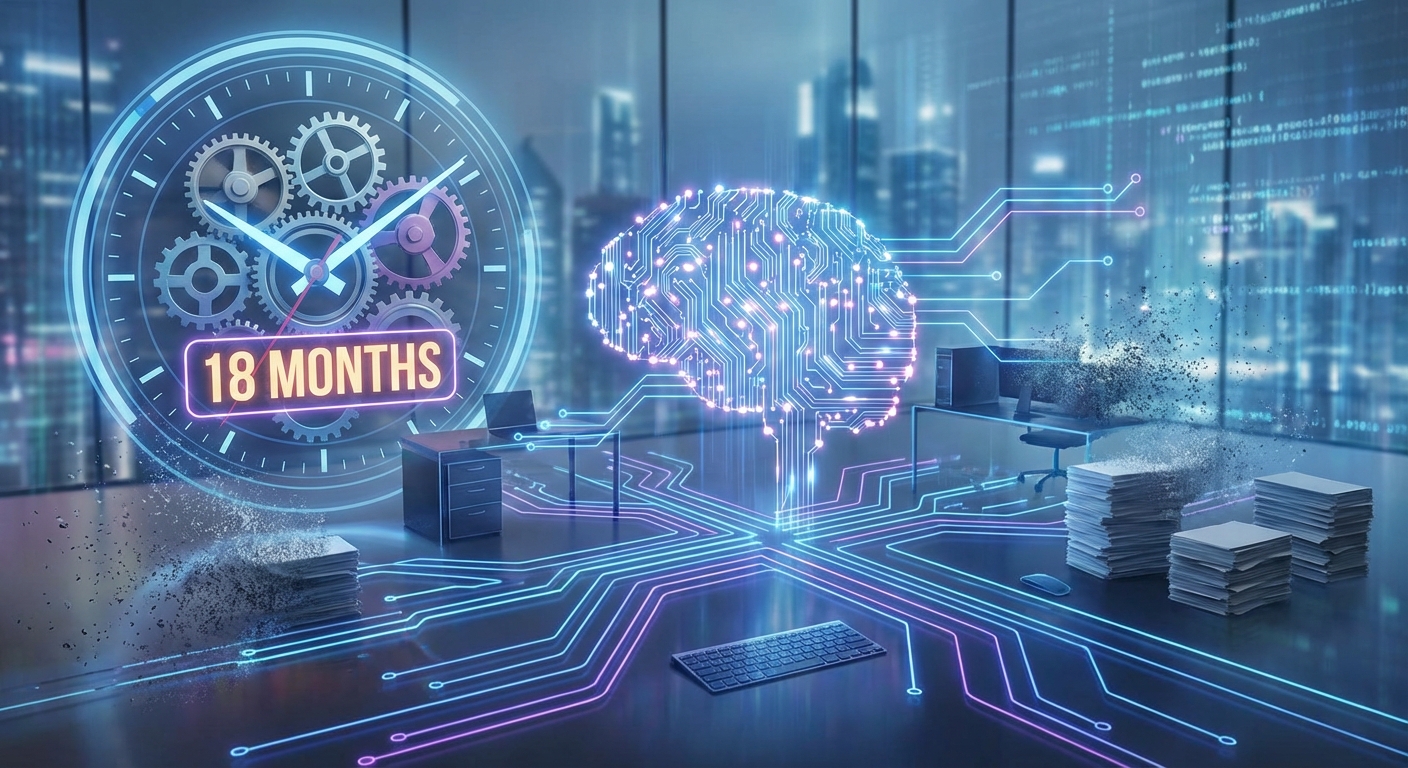
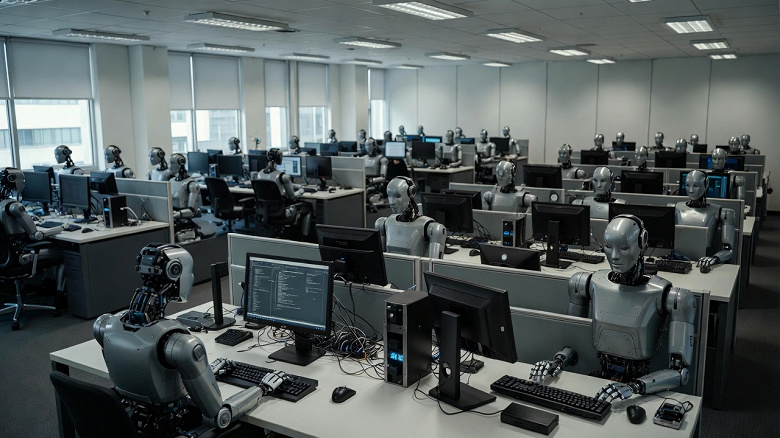
The era of artificial intelligence is rapidly moving from a theoretical future to a present-day reality, with significant implications for the workforce. Mustafa Suleyman, the head of Microsoft’s AI division, has issued a stark forecast: AI is on the verge of automating the vast majority of office-based jobs. In a recent interview with the Financial Times, he claimed that this monumental shift could occur within the next 12 to 18 months.
I think that we will achieve human-level performance in most, if not all, professional tasks. So, office work, when you sit down at a computer – whether you’re a lawyer, an accountant, a project manager, or a marketer – most of these tasks will be fully automated by artificial intelligence within the next 12-18 months.
Beyond Automation: A Fundamental Shift in Work
Suleyman’s statement doesn’t necessarily mean that Microsoft is planning mass layoffs of its office staff in the near future. However, as a leader at the forefront of AI development with products like Copilot, the company has a clear view of the technology’s trajectory. The prediction points not just to the automation of repetitive tasks, but to AI systems capable of handling complex cognitive labor that forms the core of many professional roles. This suggests a future where the value of a human employee will shift from executing tasks to overseeing, directing, and refining the work of AI agents. Software engineering is an early indicator of this trend, where many developers already use AI for code generation, shifting their roles toward architecture and validation.
The Broader Industry Race
Microsoft is not alone in this pursuit. The entire tech industry is racing towards creating more capable AI assistants. Google is deeply integrating its Gemini AI into the Workspace ecosystem, aiming to transform how documents are written and data is analyzed. Other major players like Anthropic with its Claude model, and a host of specialized startups, are also developing AI that can reason, plan, and execute complex multi-step projects. This competitive pressure is accelerating the pace of innovation, making Suleyman’s timeline seem more plausible.
The Road Ahead: Adaptation is Key
The implications of this technological leap are profound. While it promises unprecedented gains in productivity and efficiency for businesses, it also raises critical questions about job displacement and the future of professional careers. The focus will inevitably shift towards reskilling and upskilling the workforce to collaborate with these advanced AI systems. Roles may evolve into ‘AI orchestrators’ or specialists in areas requiring uniquely human skills like complex negotiation, empathetic leadership, and true creative innovation. Suleyman’s prediction is a clear signal that the professional landscape is on the brink of its most significant transformation since the dawn of the computer age.