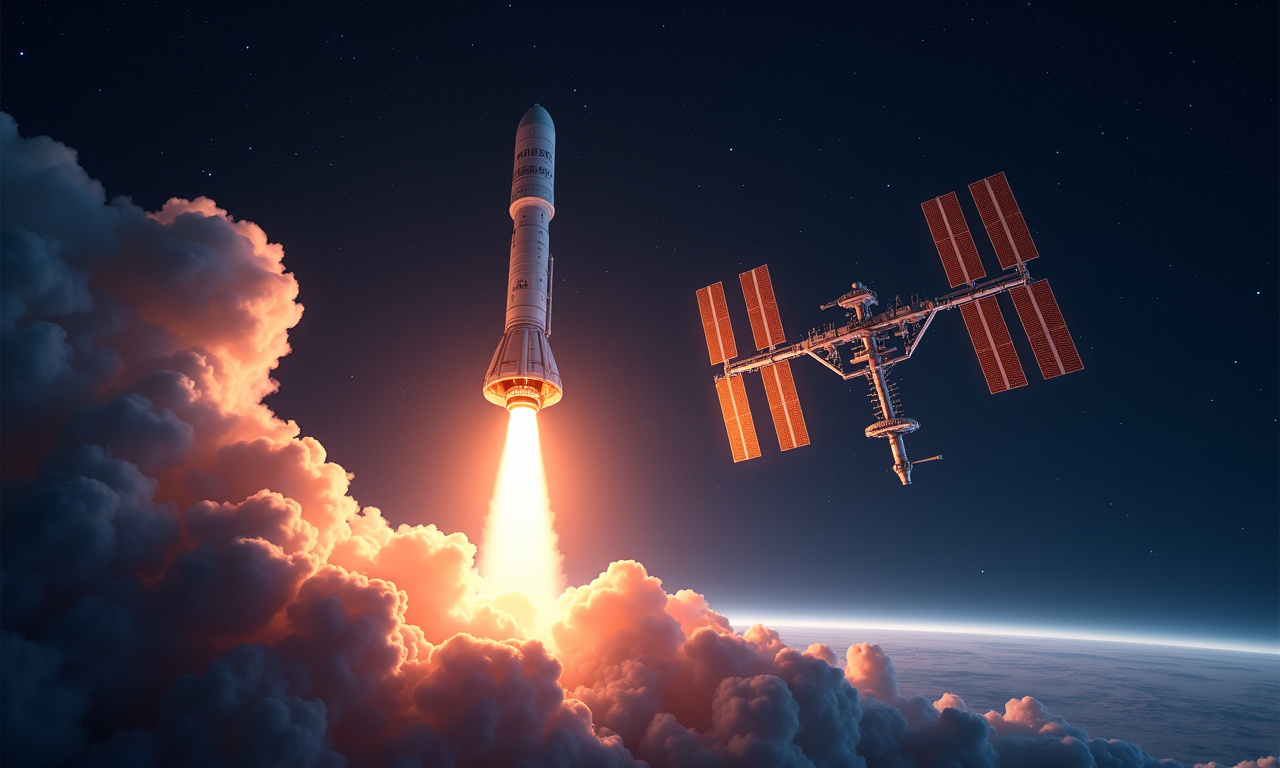



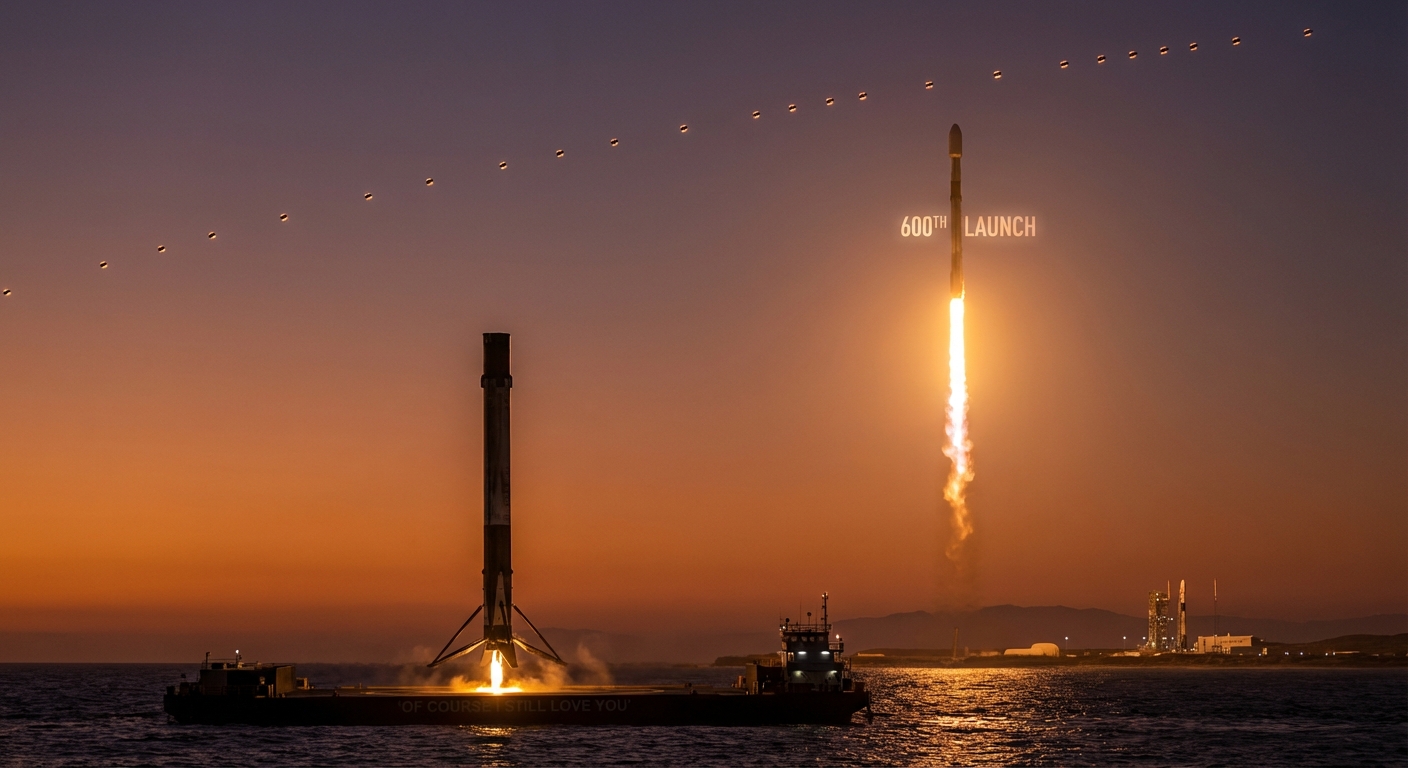

SpaceX has achieved a monumental milestone, launching its 600th Falcon 9 rocket in a mission that underscores its unparalleled dominance in the space industry. The historic flight, designated Starlink 17-13, lifted off from Vandenberg Space Force Base in California, adding another 24 satellites to the company’s ever-expanding Starlink internet constellation. This achievement, coming just hours after a SpaceX Dragon spacecraft docked with the International Space Station, highlights a period of intense and successful operational activity for the company.
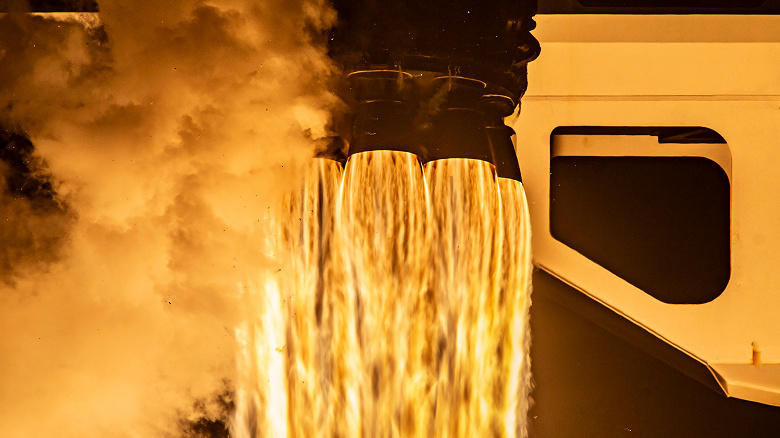
The Workhorse of Modern Spaceflight
The Falcon 9 has firmly established itself as the workhorse of the global launch industry, thanks to its revolutionary reusability. The booster used for this 600th mission, B1081, was flying for its 22nd time. This specific booster has a storied history, having previously launched critical missions for NASA, including Crew-7 and the CRS-29 cargo resupply, among others. Just over eight minutes after launch, the first stage flawlessly landed on the droneship ‘Of Course I Still Love You’ in the Pacific Ocean. This marked the 178th successful landing on this vessel and the 571st overall booster recovery for SpaceX, showcasing a level of reliability that has fundamentally changed the economics of space access.
Starlink: The Engine of a Record Cadence
The primary driver behind SpaceX’s blistering launch pace is its Starlink satellite internet project. As of early 2026, the constellation consists of over 9,400 active satellites in low Earth orbit, providing high-speed internet to millions of subscribers across the globe. The consistent need to deploy and upgrade this massive network provides a steady manifest for the Falcon 9, allowing SpaceX to refine its operations and achieve a launch cadence no other provider can match. In 2024 alone, SpaceX was responsible for 138 of the 145 orbital launches from the United States, a staggering 95%.
The Competitive Landscape
SpaceX’s launch frequency places it in a class of its own. While competitors like United Launch Alliance (ULA) and Arianespace are developing new vehicles, and companies like Rocket Lab have established a strong niche, none currently rival SpaceX’s cadence or cost-effectiveness derived from reusability. Experts note that any launch provider without a reusable rocket may struggle to compete in the current market. While new rockets like ULA’s Vulcan and Blue Origin’s New Glenn are entering the market, they are years away from challenging the operational tempo set by the Falcon 9.
Looking Ahead: From Falcon to Starship
Even as the Falcon 9 continues to break records, SpaceX’s ultimate focus is on its next-generation Starship vehicle. Designed to be a fully and rapidly reusable transportation system, Starship is intended to carry crew and cargo to the Moon, Mars, and beyond. The lessons learned from hundreds of Falcon 9 flights and landings are directly informing Starship’s development. SpaceX anticipates that Starship will eventually obsolete the Falcon 9, taking over all launch duties, including the deployment of a new generation of larger Starlink satellites and enabling the company’s ambitious long-term goals for interplanetary colonization.