



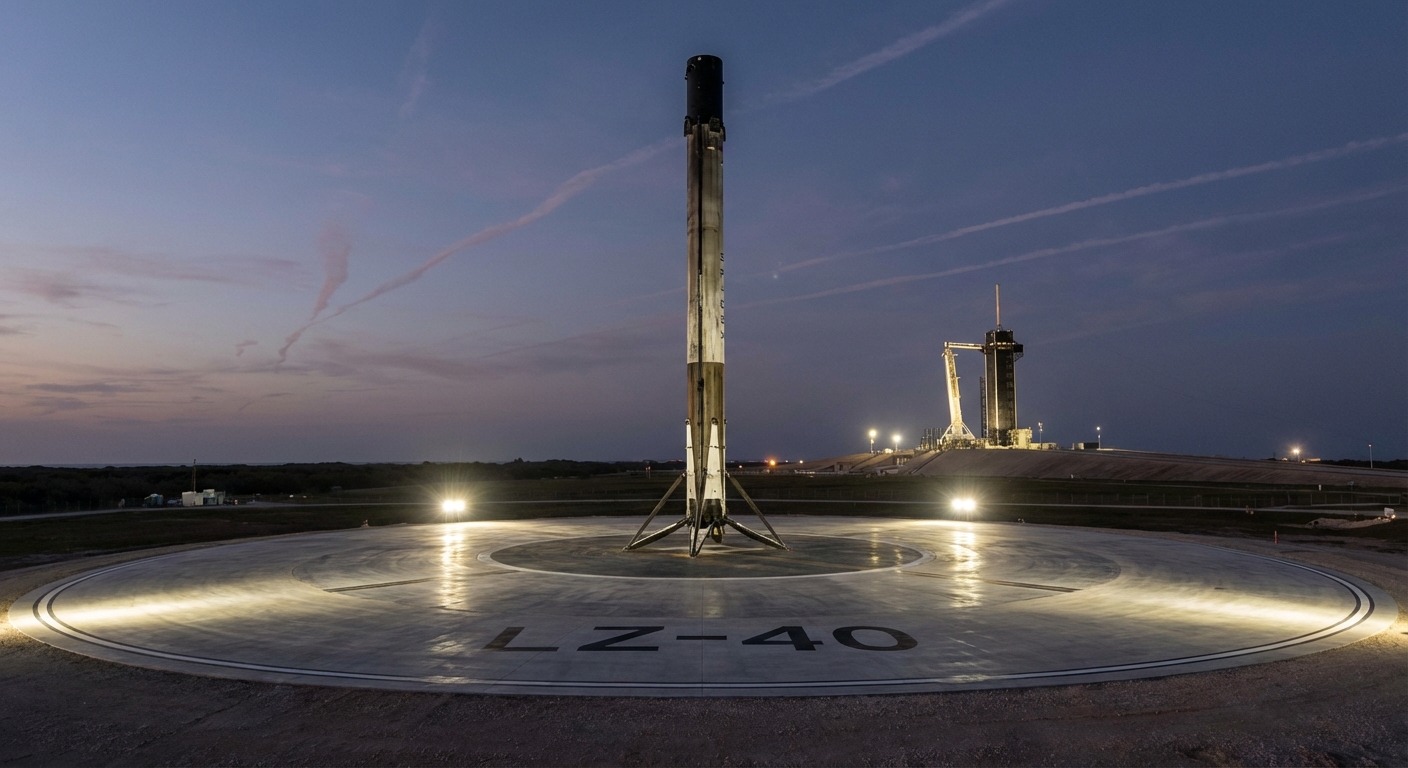

On February 13, 2026, SpaceX wrote a new chapter in spaceflight history by successfully landing a Falcon 9 first stage at its brand-new facility, Landing Zone 40 (LZ-40), at Cape Canaveral. This historic landing followed the launch of the NASA Crew-12 mission. The maneuver, which for the first time combined a launch and landing within the same Florida complex, marks a significant step toward increasing operational efficiency and reducing turnaround times for re-flight.
A New Era for Ground Operations
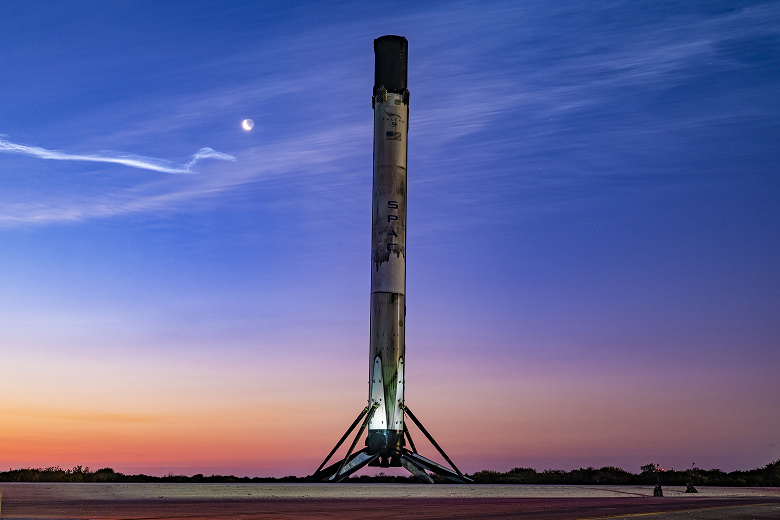
Approximately 7.5 minutes after liftoff from Space Launch Complex 40 (SLC-40), the first stage, booster B1101 on its second flight, executed a Return to Launch Site (RTLS) maneuver. Instead of touching down at the existing Landing Zone 1 or 2, the rocket precisely landed at LZ-40-a purpose-built pad located directly within the perimeter of SLC-40. Previously, land-based recoveries in Florida required transporting the booster from adjacent zones, adding time and logistical complexity. Now, with the ability to land the rocket just steps from its launch mount, SpaceX can dramatically accelerate the process of inspecting, refurbishing, and preparing the booster for its next mission.
The Crew-12 Mission to the ISS
The primary objective of the launch was to transport four astronauts to the International Space Station (ISS) aboard the Crew Dragon spacecraft “Freedom”. This flight also marked a milestone as the 20th crewed orbital flight for the Dragon vehicle. The international crew consists of:
- Jessica Meir (NASA)
- Jack Hathaway (NASA)
- Sophie Adenot (ESA)
- Andrey Fedyaev (Roscosmos)
They are set to join the Expedition 74 crew on the ISS to conduct a variety of science experiments and perform station maintenance.
Strategic Importance and a Look Ahead
The commissioning of LZ-40 is more than just a technical achievement; it is a strategic move that solidifies SpaceX’s dominance in the launch market. Reducing the time between missions directly impacts the company’s ability to fulfill more contracts for both commercial clients and government agencies like NASA. This innovation allows SpaceX to further drive down the cost of access to space, making reusability not just a reality, but a routine and economically optimized practice.
In the long term, mastering such rapid ground operations is a key element for the company’s future ambitious projects, including the Starship program. Every step aimed at simplifying and accelerating rocket reuse brings humanity closer to the goal of making spaceflight as accessible as air travel. The successful landing at LZ-40 is a clear testament to that vision.