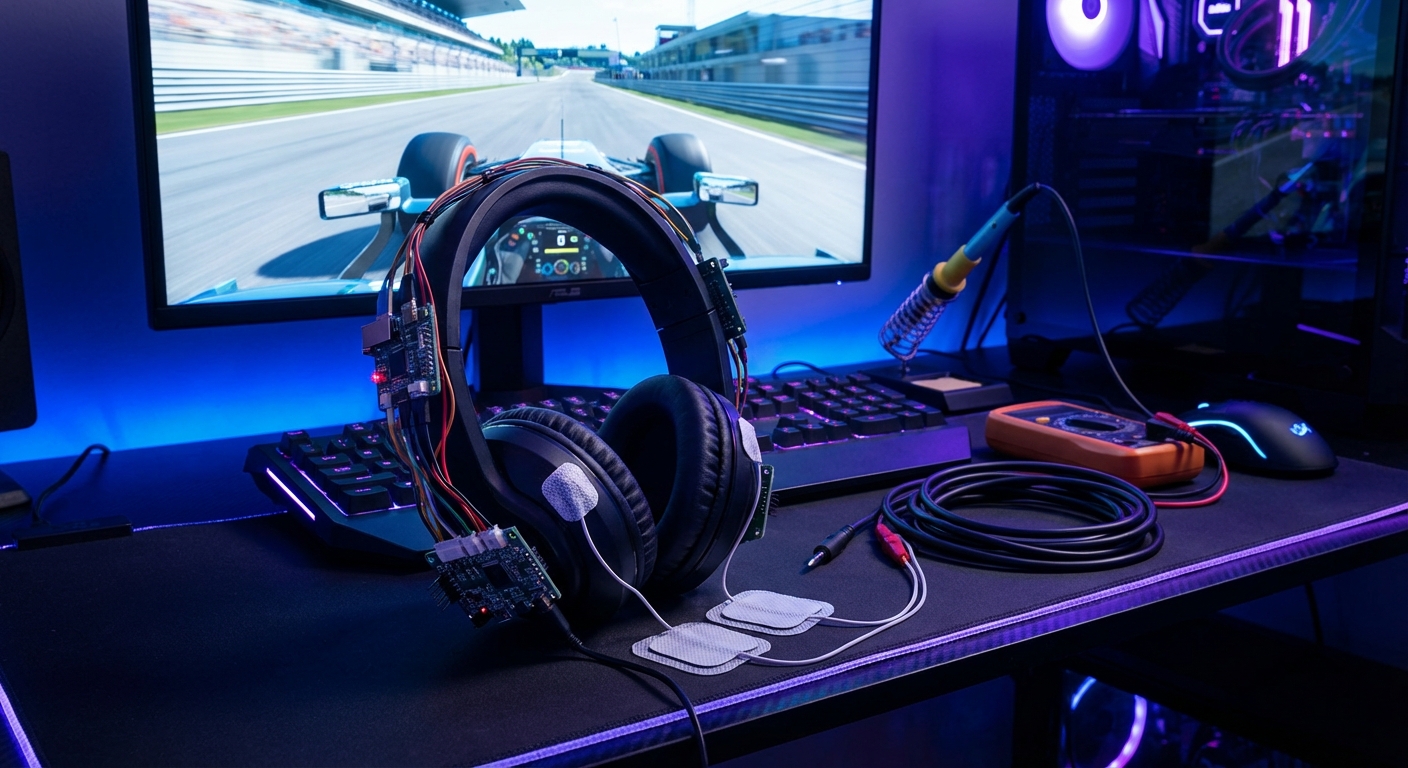

Streamer and psychology Master’s graduate PerriKaryal, with a combined following of nearly 100,000 on Twitch and YouTube, has developed a do-it-yourself system that provides genuine physical feedback in video games using galvanic vestibular stimulation (GVS). This experimental technology directly influences a person’s sense of balance by passing weak electrical currents through the head, creating a sensation of motion and inertia that corresponds to in-game actions.
How Galvanic Vestibular Stimulation Works
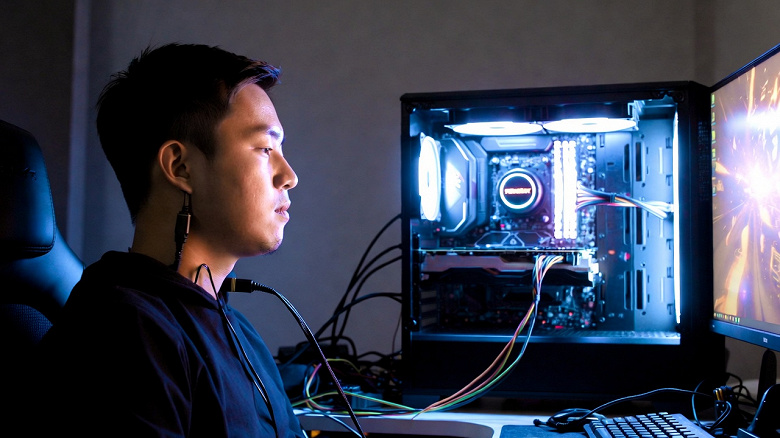
The method involves placing electrodes on the skin near the ears, targeting the vestibular system-the part of the inner ear responsible for balance. By sending small, controlled electrical impulses to the vestibular nerves, the system can trick the brain into perceiving movement, causing the user to feel as if they are tilting or being pushed sideways, even while sitting still. This technology is not new and has been studied by scientists since the 1990s for potential therapeutic applications, including treating balance-related conditions and mitigating cybersickness in virtual reality.
From Human Joystick to Immersive Racing
In her initial tests, PerriKaryal demonstrated the technology’s effectiveness by having a companion control her movements with a gamepad while she tried to run in a straight line. The GVS system caused her to involuntarily lean and change direction based on the joystick inputs.

She later integrated the system with the arcade racing game Trackmania to simulate the feeling of inertia and G-forces during high-speed turns. The goal was to create a more profound level of immersion than what is possible with standard controllers or vibration-based haptic feedback.
A Risky Experiment: Health Warnings and Side Effects
While the project is a fascinating showcase of bio-hacking, PerriKaryal has strongly warned her audience against attempting to replicate it. “Don’t do this. Don’t build this. Don’t make this. I do not approve of anyone making this themselves,” she stated, emphasizing that the device is incredibly dangerous. During her Trackmania stream, she reported experiencing concerning side effects, including a headache, a sensation of heat, seeing flashing lights, and having “buzzy” vision.
The long-term health consequences of prolonged or improperly administered GVS are unknown. While clinical studies have found that GVS can be administered safely under controlled conditions with mild, temporary side effects like itching or tingling under the electrodes, a homemade device lacks the same safety assurances.
The Future of Immersive Feedback
PerriKaryal’s experiment highlights a unique and direct approach to immersion, fundamentally different from mainstream haptic technologies like vibrating vests or force-feedback controllers. The immersive technology market is rapidly growing, with a focus on VR/AR headsets, motion tracking, and advanced haptics to create more realistic gaming experiences. While GVS presents a novel pathway, significant safety and usability hurdles mean it is unlikely to become a commercial product soon. For now, it remains a compelling, if hazardous, glimpse into the future of human-computer interaction.