





In an industry fixated on increasingly tall and narrow displays, a counter-movement may be brewing. According to well-known insider Digital Chat Station, a major smartphone manufacturer is preparing to defy the current trend by launching a device with a wider 16:9 or 16:10 aspect ratio. Recent reports strongly suggest that this manufacturer is Huawei, a move that could signal a significant shift in smartphone design philosophy, prioritizing media consumption over the now-standard vertical scroll.
The Era of Tall Screens
Since the dawn of the “full-screen” smartphone around 2017, displays have progressively become more elongated. Flagships like the iPhone 17 Pro Max and Galaxy S25 Ultra feature aspect ratios around 19.5:9, with some specialized devices, like Sony’s Xperia line, pushing the boundary to a cinematic 21:9. This design trend is largely driven by the dominance of vertically-oriented content, such as social media feeds and web browsing, where more vertical real estate is advantageous. However, this approach has its drawbacks, most notably the appearance of black bars (letterboxing) when viewing standard 16:9 video content and ergonomic challenges for one-handed use.
Huawei’s Strategic Pivot
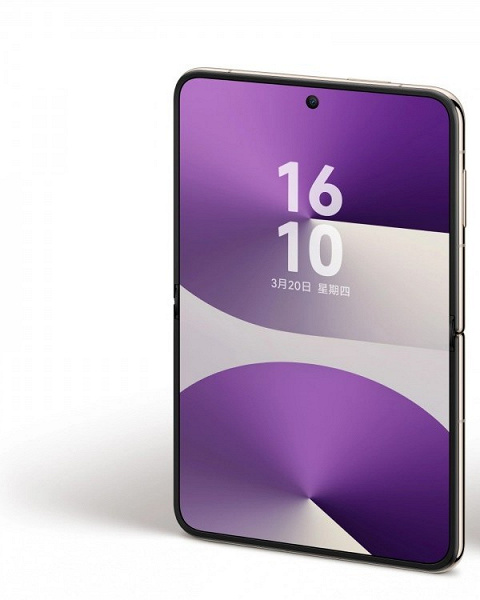
Huawei is reportedly developing a non-foldable smartphone with a 16:9 aspect ratio, which is currently in the prototype phase and could debut in the fourth quarter of 2026 as part of the Mate family. This isn’t an entirely new concept for the company; its foldable Huawei Pura X already features a wider 16:10 screen, which has been met with positive user feedback for its suitability for productivity and video viewing without annoying black bars. By bringing this wider format to a traditional, non-foldable device, Huawei appears to be betting on a segment of the market that values a superior multimedia experience. This strategic move could help Huawei, which recently regained a top position in the Chinese smartphone market, further differentiate itself from competitors.
A Look at the Competition
While most major players like Apple and Samsung have settled on taller screens, some brands have successfully carved out niches with alternative form factors. Sony, for instance, has long catered to cinephiles with its 21:9 Xperia phones, which are designed to offer a movie-watching experience without letterboxing. The success of such specialized devices demonstrates that a one-size-fits-all approach may not be the only path forward. Huawei’s potential reintroduction of the 16:9 format, once the industry standard for pre-bezel-less phones like the iPhone 8, would be a bold move against the current market consensus.
What’s Next: A More Diverse Smartphone Market?
Huawei’s experiment could be a pivotal moment for the smartphone industry. If the wider-screen device proves successful, it could encourage other manufacturers to reconsider their design philosophies and cater to different user preferences. The market has largely converged on flat, tall displays, but this move could pave the way for a more fragmented and diverse landscape. Instead of a single dominant form factor, the future could offer a variety of shapes and sizes, allowing consumers to choose a device that truly aligns with their primary use case, whether that’s scrolling through social media, immersive gaming, or enjoying a cinematic video experience.