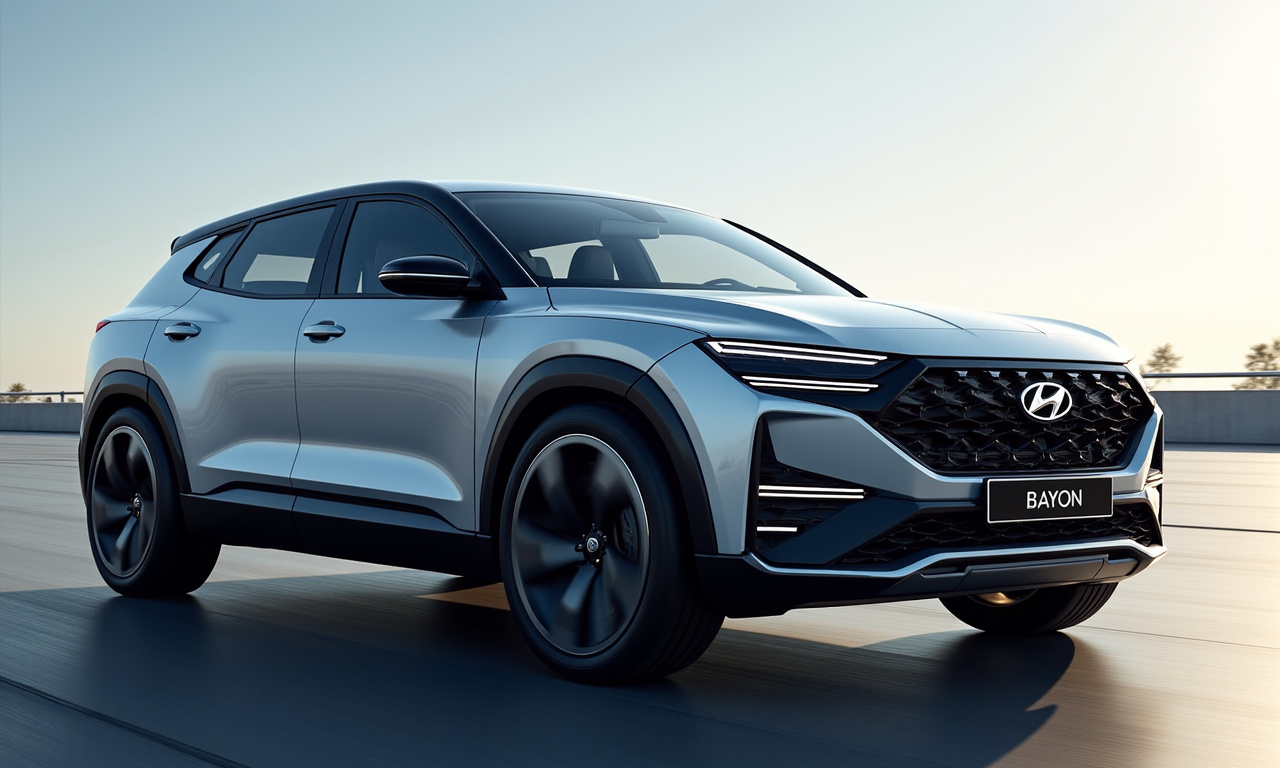

Hyundai Bayon Undergoes Transformation
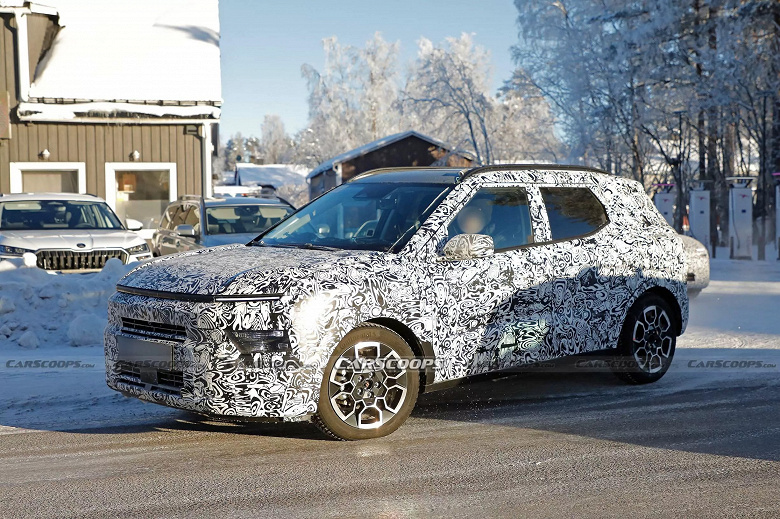
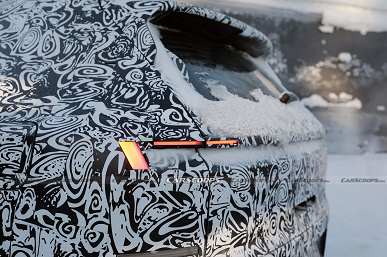
The smallest crossover in Hyundai’s lineup with an internal combustion engine, the Bayon, is preparing for a generational change. Spy photographers have caught the new model during winter testing in light camouflage, uncovering key changes in the design and concept of the model. Unlike the current generation, which resembles a typical hatchback, the next generation will have a more authentic crossover appearance.
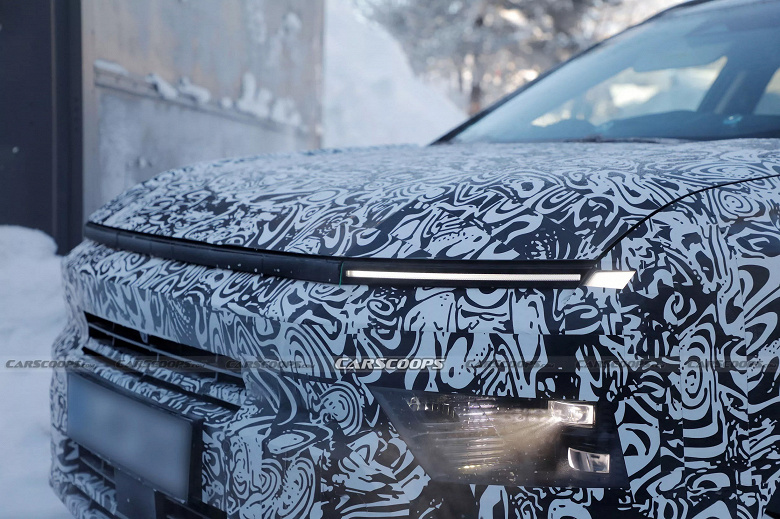
The new Hyundai Bayon will adopt a squarer roofline and ‘boxier’ proportions.

Hybrid Powertrain Innovation
The main innovation will be hidden under the hood. The current model is equipped with a ‘mild’ hybrid system (a 48-volt add-on) based on a 1.0-liter turbo engine. Insider reports suggest that the next generation will feature a full hybrid powertrain (HEV) for the first time. Additionally, a sportier N Line version with more aggressive bumpers and a retuned suspension is expected.


Size and Interior Enhancements
Based on the images, the Bayon has grown in size. An increase in wheelbase (currently 2580 mm) and track width is anticipated, which will directly impact the trunk space and legroom for rear passengers. Inside, a digital transformation is expected: multimedia screens will grow in size, and the suite of safety systems will improve.

Market Positioning Challenges
Interestingly, as the ‘junior’ crossover becomes larger, it may come close to the Hyundai Kona’s size, forcing the company to differentiate these models in the market to prevent them from competing for the same buyers. The full premiere of the new Bayon is expected at the end of 2026.