






The AI boom has begun to significantly impact the processor segment, though currently only in the server domain. Reuters reports that AMD and Intel have informed their Chinese clients of a CPU shortage and extended delivery times.
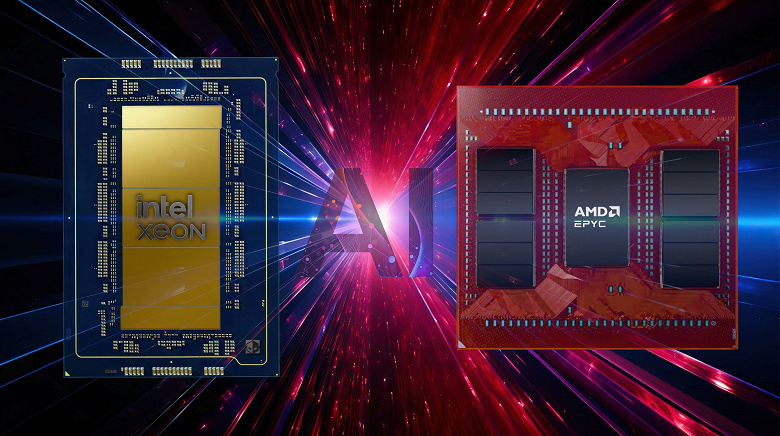
Now, Chinese companies have to wait for ordered processors for up to six months. Meanwhile, prices for at least Intel’s processors have already risen by 10% due to the shortage. In China, which accounts for over 20% of Intel’s total processor market revenue, there is a particularly acute shortage of fourth and fifth-generation Xeon processors, and Intel is rationing their supply. Intel’s delivery times now reach up to six months.
For AMD, the situation seems slightly better. There’s no information yet about price increases, and lead times reach a maximum of eight to ten weeks.
Interestingly, the increased demand for AI-capable processors stems from rapid advancements in artificial intelligence technologies. Companies are rushing to upgrade their server infrastructure to support sophisticated AI applications. According to industry experts, this has led to a surge in orders for Intel’s latest Xeon and AMD’s EPYC chips designed for AI workloads. However, the supply chains are strained, as manufacturing capacities struggle to meet this high demand.
New forecasts suggest that while Intel’s lead times might stabilize towards the end of the year, ongoing geopolitical tensions could further complicate logistics and component acquisition. At the same time, AMD is reportedly enhancing its production capabilities to better accommodate the growing needs. As the competition heats up, consumers can expect to see more innovations and solutions targeted explicitly at efficient AI processing in the coming months.