
Dual Memory Modules: A Technological Shift
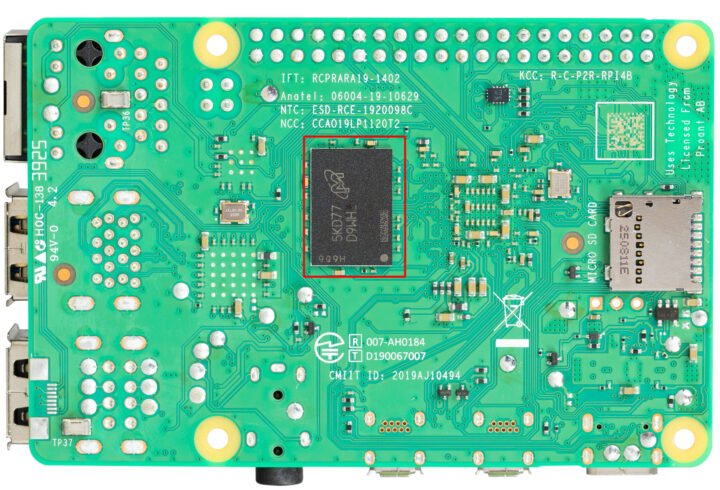
The Raspberry Pi company has unveiled a new iteration of the Raspberry Pi 4 Model B, equipped with two memory modules, to lessen dependency on fluctuating memory prices and supply chain issues. Known as the Raspberry Pi 4 v1.5, this model features dual LPDDR4 chips elegantly stacked on the board, enhancing both the versatility and potential bandwidth of the system.
Unchanged Software Requirements
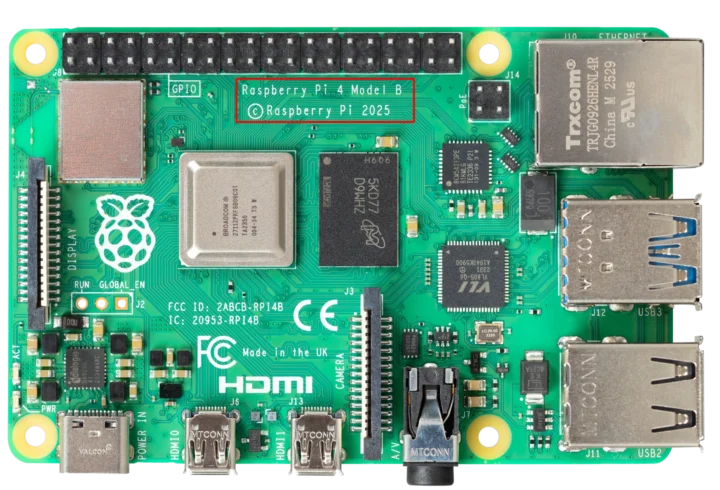
Despite these hardware innovations, the software remains unaffected. However, users will need to ensure their devices are equipped with a bootloader version from January 9, 2026, or newer. The update retains the user-friendly design and coding environment Raspberry Pi enthusiasts appreciate, keeping the transition as seamless as possible. To identify the new board, check the model information through the command cat /proc/cpuinfo, which should display “Raspberry Pi 4 Model B Rev 1.5.” The board also carries a 2025 mark.
Addressing Component Price Surge
This strategic adaptation stems from the rising costs of components such as memory, which have made single-chip production increasingly untenable. By employing two 4-gigabyte chips instead of a solitary 8-gigabyte one, Raspberry Pi offers a savvy, cost-effective alternative during a time of economic uncertainty. Industry experts highlight that this shift might ensure continued accessibility and resilience in their product lineup amidst a turbulent market landscape.
Impact on Consumers and Industry Feedback
Consumer response has been notably positive, appreciating the ingenuity behind maintaining cost-effectiveness without sacrificing power or efficiency. A leading tech analyst noted, “This move underscores Raspberry Pi’s commitment to adaptability, promising tech enthusiasts flexibility and performance without breaking the bank.” Furthermore, industry feedback suggests similar adaptations across other tech sectors, reflecting a broader trend towards mitigating the volatile pricing of essential components.
Future Prospects and Market Adaptations
As the tech industry braces for continued component price volatility, more companies may adopt similar measures to ensure affordability and reliability. Raspberry Pi’s dual memory module approach could very likely inspire others, fostering a wave of innovative solutions to supply chain dilemmas. Looking ahead, this development not only strengthens Raspberry Pi’s market position but also echoes a broader adaptation strategy resonant across the technology sector.