




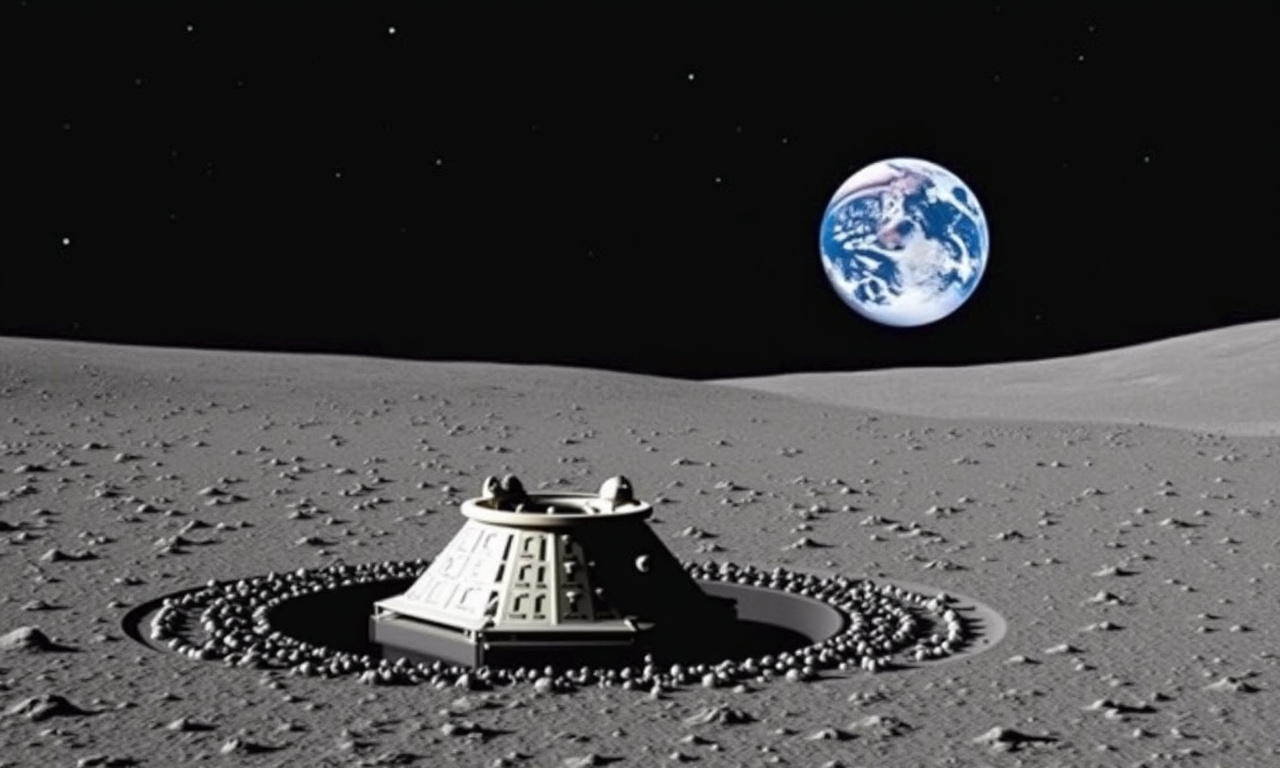

Rolls-Royce has indefinitely suspended the development of its lunar microreactor following the conclusion of government funding. The project, which was recently considered pivotal for future Moon missions, has in effect hit a dead end, despite previously secured funds and high-profile statements. Over three years, the initiative managed to attract approximately 9 million GBP ($12 million), and the reactor’s launch on the Moon was initially slated for 2029. Promoted actively by the UK Space Agency and the then Technology Minister George Freeman, the project was hailed as a crucial step towards securing a permanent human presence on the Moon and ensuring lunar bases’ energy independence.
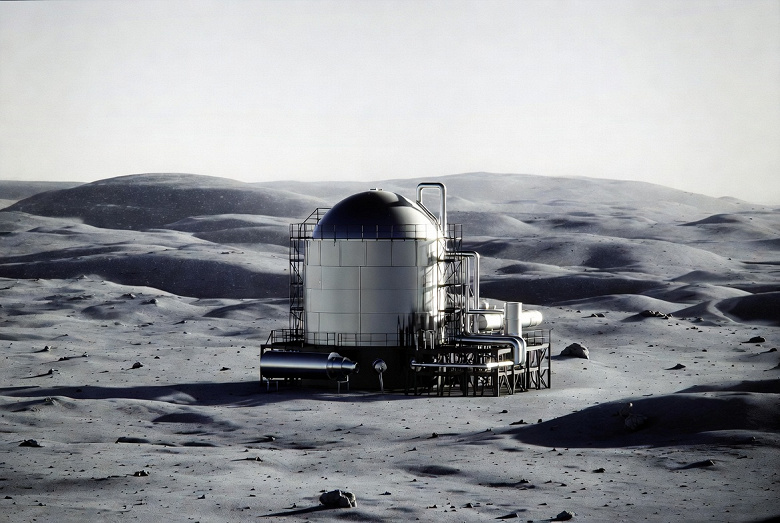
The microreactor concept was envisaged as dual-purpose: it aimed to strengthen the country’s position in cutting-edge science, create jobs, and deliver technology applicable not only in space but also on Earth. According to available information, Rolls-Royce is prepared to return to the project, though the lack of partners for its implementation leaves the program in limbo.
Meanwhile, international interest in lunar missions is surging. Space agencies like NASA and private companies such as SpaceX are planning manned missions to the Moon in the coming years, focusing on establishing a sustainable lunar presence. This renewed global enthusiasm could potentially breathe new life into similar projects, provided new partners or funding sources emerge.