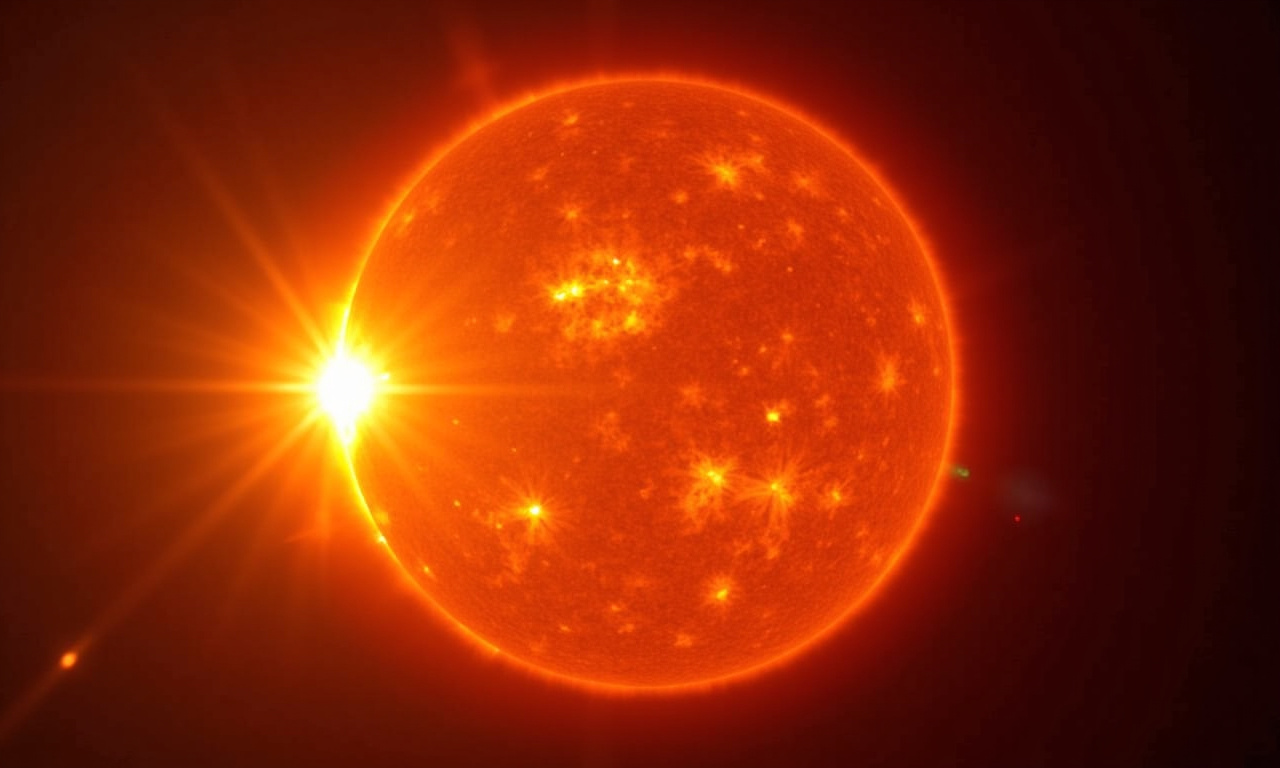

On the Sun, an extreme X8.1 level flare was observed – one of the strongest of the entire 25th solar cycle. The peak of the event occurred at 02:57 Moscow time on February 2, 2026. The explosion took place in active region No. 4366 and continued the sharp rise in solar activity following a period of near-total “hibernation.” Preliminary data suggests the region of flare formation was positioned at an angle of about 35° to the Sun-Earth line, thereby excluding direct impacts on our planet. The possibility of a tangential effect remains in question-evaluation of the ejected parameters will take several hours.
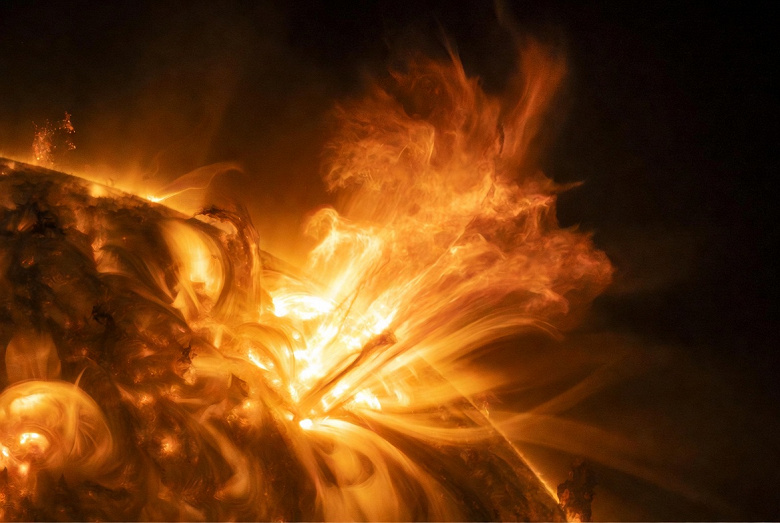
According to a refined power estimate, the X8.1 flare ranked third among the strongest events of the current solar cycle. The first two positions are still held by the X9.0 flares recorded in May and October 2024.
Expert Analysis of the Solar Event
Experts note that while the current flare does not pose a direct risk, it underscores the volatile nature of solar activity during this cycle. Dr. Lucia Hernandez, a solar physicist, mentions, “Solar flares of this magnitude serve as a reminder of the Sun’s volatility, which can have significant effects on satellite technology and communication systems even if not directly impacting Earth.” This specific flare has sparked discussions on strengthening infrastructure against potential future events.
Potential Geomagnetic Impacts
Though initially it seemed there was no threat of direct impact, scientists are still assessing if the flare could cause geomagnetic storms on Earth. Should any be expected, they could affect power grids and communication networks, mainly at higher latitudes. This evaluation aligns with ongoing efforts to better predict and mitigate solar-induced disruptions.