




Unexpected Solar Activity Surprises Scientists
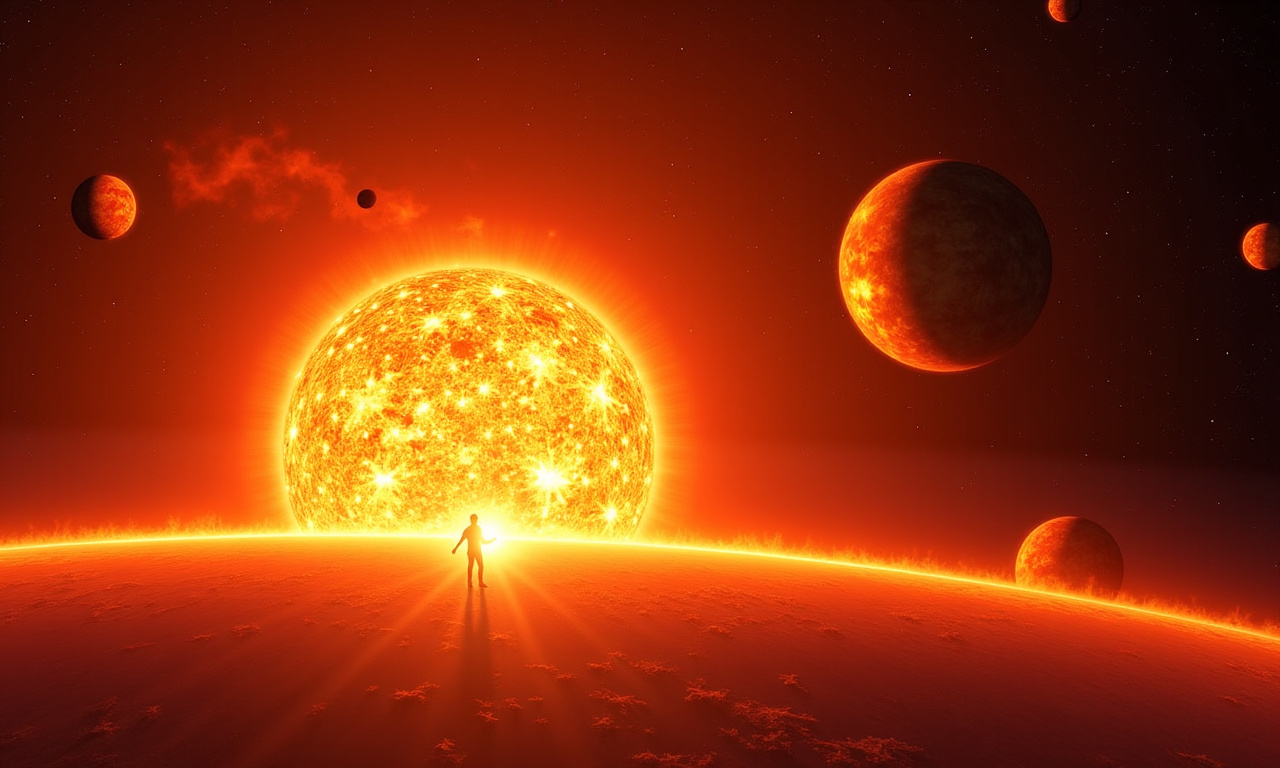
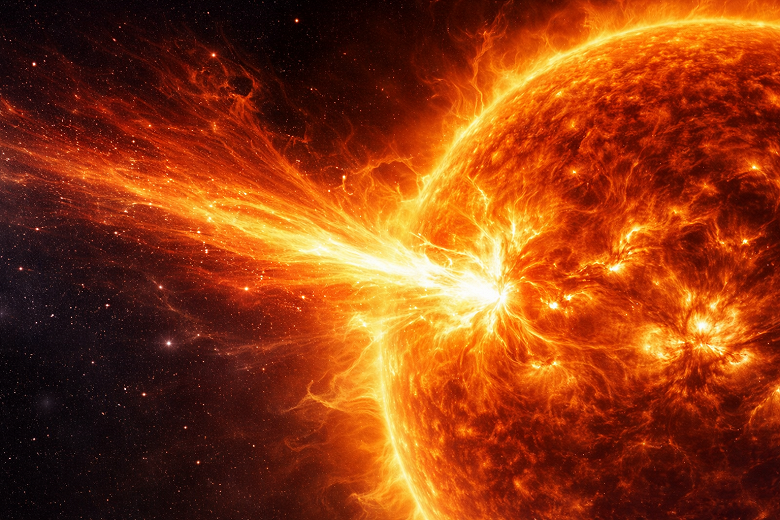
On the Sun, sharp changes in activity have been recorded, which may have critical consequences for upcoming space missions. According to the Solar Astronomy Laboratory of the IKI RAS, a rapid formation of a new large group of spots has begun on the northeast edge of the sun. Alongside this, x-ray radiation flow has increased by a record 500% since the morning, closely approaching the dangerous M-class threshold. Scientists predict that if the current growth rate continues, the Sun could experience powerful X-level flares within the next 24 hours.
Impact on Space Missions and Technology
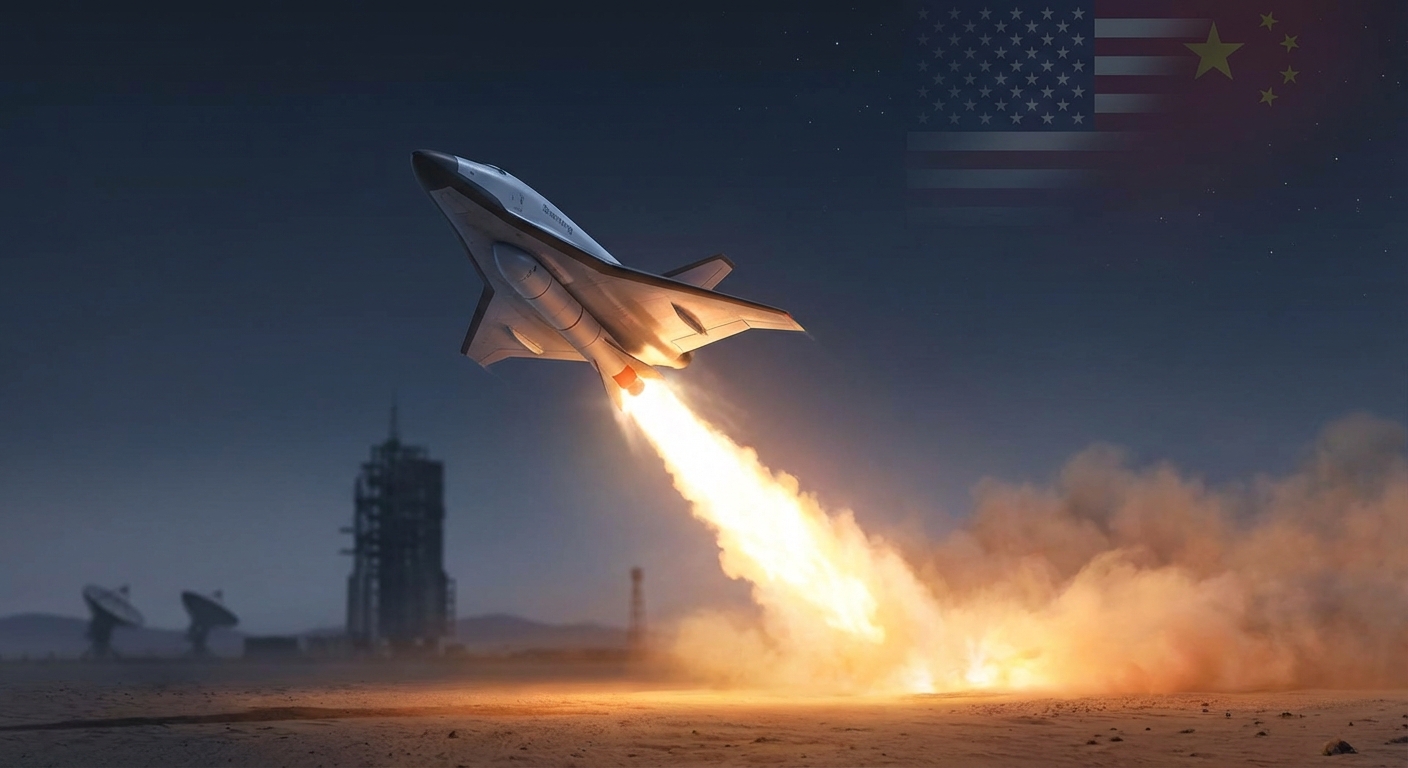
This development threatens to disrupt the launch schedule of the manned mission to the Moon–Artemis 2, planned for early February. The main threat comes from solar radiation storms, which can disable the ship’s electronics and harm the crew’s health. The increased solar activity also poses risks to spacecrafts like the International Space Station, where cosmic radiation can affect both equipment and astronauts. Solar storms can cause geomagnetic disturbances on Earth that disrupt communications, satellite operations, and power grids.
The American agency NOAA has already begun providing NASA with urgent reports on the state of the Sun. This data will be key to the final decision on liftoff: specialists will need to determine the risk of radiation storm occurrence on flight dates. However, the final decision rests with NASA.
Understanding the Solar Threat
Solar flares can range from M-class to X-class, indicating their strength and potential impact. M-class flares can cause brief radio blackouts at the poles and minor radiation storms, while X-class flares, particularly strong ones, can trigger planet-wide radio disruptions and long-lasting radiation storms. This escalation in solar activity can influence solar energy production and cause fluctuations in Earth’s magnetic fields, affecting electrical networks.
Experts emphasize the need for advanced preparation not only for space missions but also for Earth’s infrastructure. As solar technology advances, understanding and mitigating these risks become more crucial. Additionally, there may be impacts on equipment like satellites and electronic devices reliant on stable electromagnetic environments.