

On January 29 at 20:21 Eastern Time (January 30 at 14:21 Moscow Time), Rocket Lab’s Electron rocket successfully launched from Launch Complex 1 in New Zealand, placing South Korea’s NEONSAT-1A satellite into orbit. Initially, the launch was scheduled for 19:55 Eastern Time but was delayed due to a technical fault, which was resolved during preparation. The mission, ‘Bridging the Swarm,’ was originally set for December 2025 but faced two postponements: first, over sensor issues, and later due to an automatic engine shutdown at ignition.
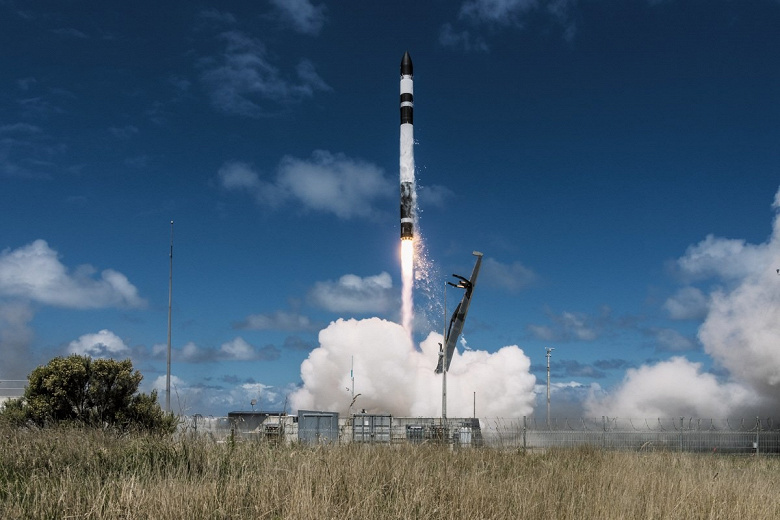
The NEONSAT-1A satellite, crafted by the Korea Advanced Institute of Science and Technology (KAIST), was deployed into a sun-synchronous orbit at an altitude of 540 km. This is the second satellite of an intended constellation of 11, designed to capture high-resolution images of the Korean Peninsula and surrounding regions. The first satellite, NEONSAT-1, was launched via an Electron rocket in 2024. This marks Rocket Lab’s second launch of 2026, following the deployment of two Open Cosmos satellites on January 22. In 2025, Rocket Lab completed 21 Electron launches, including three suborbital launches of the HASTE variant. The company has announced plans for an even busier schedule in 2026.
In recent developments, Rocket Lab is strengthening global partnerships, as reflected in strategic advancements with companies like SpaceX and international institutions, enhancing its capability in the competitive sector of space launches. Their collaboration with KAIST showcases not only a technological leap for South Korea but also strategic positioning in space innovations. This partnership underscores South Korea’s growing role in satellite technology and global space initiatives.