


The release of the final Environmental Impact Statement (EIS) brings SpaceX closer to launching Starship from LC-39A in Florida. The Federal Aviation Administration (FAA) has published preliminary EIS results for SpaceX Starship operations at NASA’s Kennedy Space Center (KSC). The final EIS is expected soon, followed by the Record of Decision (ROD). This environmental analysis is a crucial step for SpaceX to obtain a commercial launch license for the Starship-Super Heavy from LC-39A. It builds upon NASA’s 2019 environmental assessment, expanding to include SpaceX’s revised proposals for increased operation frequency, new infrastructure, and full vehicle reusability. The FAA underscores the importance of allowing SpaceX to develop, test, launch, and land the Starship from Florida’s east coast, ‘supporting national objectives for assured space access.’ This complements SpaceX’s activities at Starbase in Texas and meets the needs of commercial, NASA (including Artemis lunar missions), and national security services.
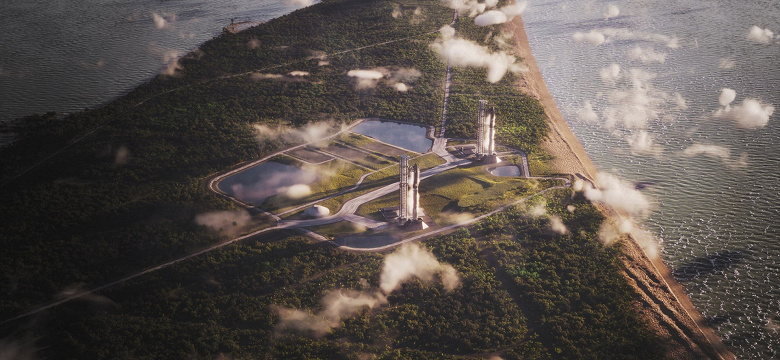
SpaceX anticipates conducting up to 146 Starship launches annually from pads 39A, SLC-37, and Starbase. The Starship is equipped with 33 Raptor engines, generating significantly greater thrust and acoustic levels than previous Falcon-series rockets.
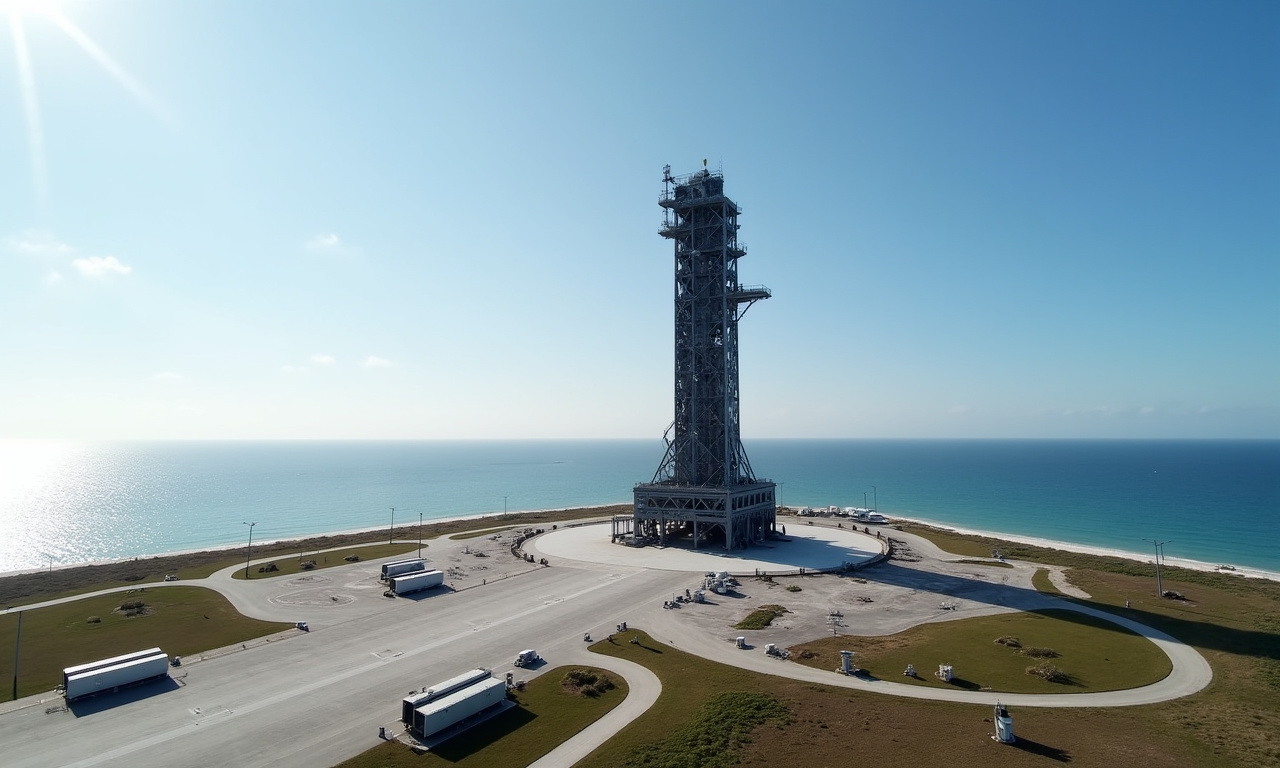
In the report, it is noted that LC-39A offers favorable over-ocean trajectories, existing infrastructure, and proximity to launch site resources. Much of the construction and infrastructure modifications at LC-39A are already complete, though a catch tower is needed for full readiness.
The EIS outlines up to 44 annual Booster and Ship launches, as well as up to 44 annual Super Heavy booster landings, mainly at LC-39A using a catch tower, but also allowing for Atlantic landing platforms or single-use ocean dumps. The analysis covers 14 categories, including air quality, local wildlife, and noise pollution. In most cases, impacts are assessed as nonexistent, minor, or not particularly significant.
Launches will produce higher peak noise levels (up to ~160-170 dB at close range) and more frequent events than Falcon rockets. It is noted that sonic booms from returning stages could affect populated areas, but this can be mitigated with flight planning and trajectory optimization. The FAA concludes that the proposed actions will not lead to significant, unavoidable environmental consequences, supporting the licensing issuance under the Commercial Space Launch Act.
This comprehensive examination removes a significant obstacle for Starship’s debut in Florida, potentially allowing the first launches by late 2026, pending final approvals and infrastructure completion.
Recent advancements in their Raptor engines include thrust vector control enhancements aimed at improving flight stability and performance. A testament to its prowess, SpaceX is projected to be a cornerstone in NASA’s Artemis program, aiming for crewed lunar landings by the late 2020s.
Industry experts note that SpaceX’s aggressive launch cadence plans could redefine commercial space access while posing challenges related to environmental and logistical management. Despite the noise concerns, the strategic benefits of expanded capacity with the Starship are undeniable, heralding a new era of rapid, reusable spaceflight.