





Modder TrashBench, known for his radical experiments, has unveiled another daring project: he circulated water through the heat pipes of a GPU’s cooling system, drastically reducing the GPU’s temperature.
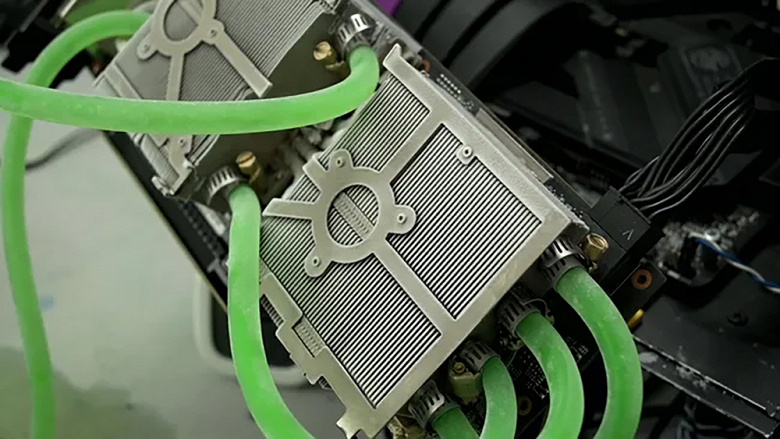
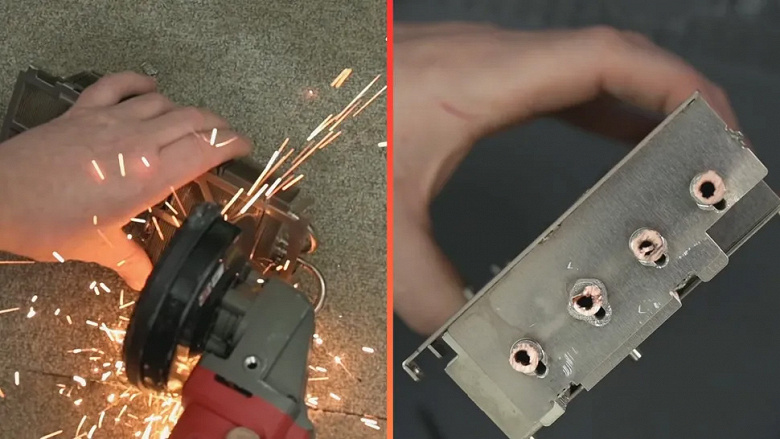
The subject was an Asus Dual RTX 2060. The enthusiast completely dismantled the card, reaching the heat pipes of the cooler. He then carefully cut the ends off the pipes, which opened access to the channels where the phase-change thermal fluid typically circulates.
TrashBench connected silicone hoses to the cut pipes and began testing. In stock condition, the GPU ran at around 70°C with a maximum frequency of 1935 MHz. Without fluid circulation, the temperature soared to 88°C, dropping the frequency to 1350 MHz.
However, after the introduction of plain water into the pipes, the temperature dropped to 47°C, which is 23 degrees cooler than the standard cooling.
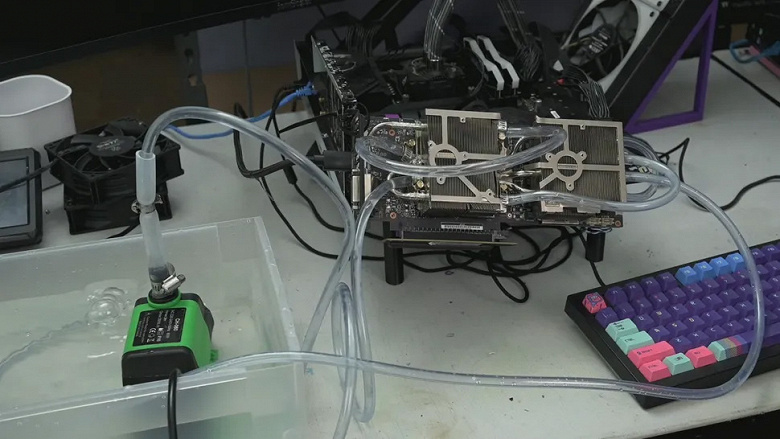
The real breakthrough came with the use of icy water. With water cooled to negative temperatures, the GPU temperature under full load dropped to 13°C, which is 57 degrees below the standard mode. The frequency reached a record 2025 MHz.
Current Market and Cooling Trends
As of 2026, the Asus Dual RTX 2060 has been succeeded by much faster models, yet its legacy remains notable among budget gamers. The standard price for modern GPUs starts at around $300, offering improved performance and energy efficiency.
Cooling solutions have evolved significantly, incorporating advanced liquid cooling systems and innovative air-cooling designs. The shift towards more sustainable and effective methods is apparent, with companies pioneering in experimental designs similar to TrashBench’s but with commercial safety standards.
Future of GPU Cooling
Looking ahead, we anticipate further integration of smart systems that adjust dynamically to workload demands, optimizing cooling for both performance and energy savings. Emerging technologies, like graphene-based thermal pads, promise to enhance heat dissipation capabilities, setting new benchmarks in cooling efficiency.