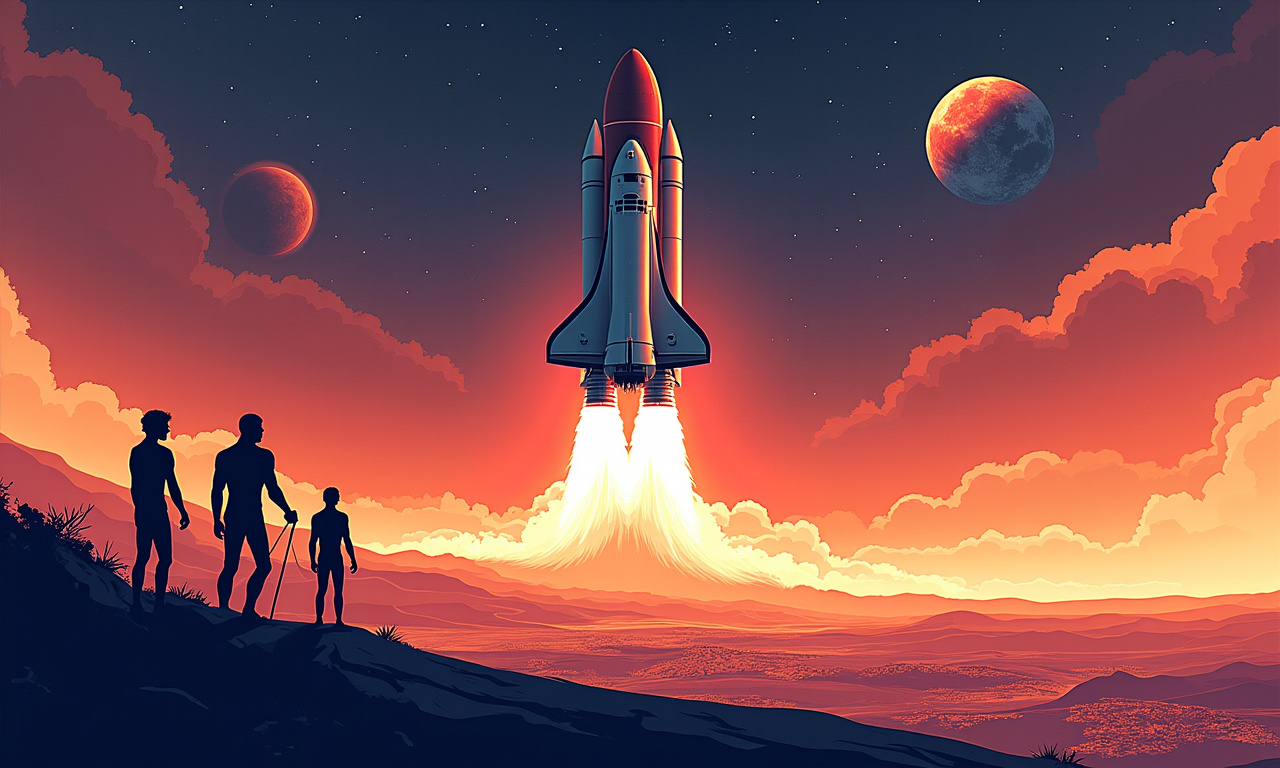

Elon Musk declared that this year SpaceX plans to “prove the full reusability of the Starship spacecraft, which will be a tremendous milestone as the cost of space access will decrease by 100 times.” This is the very same economic contrast one might expect, say, between a reusable and a disposable airplane. If an airplane had to be discarded after each flight, it would be an extremely costly journey. However, if it only needed refueling, it’s just the cost of the fuel. And this is truly a fundamental breakthrough that allows for a reduced cost of space access. It is lower than the cost of transporting cargo by airplanes. Less than $200 per kilogram ($90).
He further noted that launching large satellites into space becomes very inexpensive: “Solar power in space provides five times greater efficiency, maybe even more compared to Earth. Because it’s always sunny there. No diurnal cycle, seasonality, or weather changes. And in space, you receive about 30% more energy due to the absence of atmospheric weakening of the energy. Any solar panel will provide five times more energy than on Earth.” 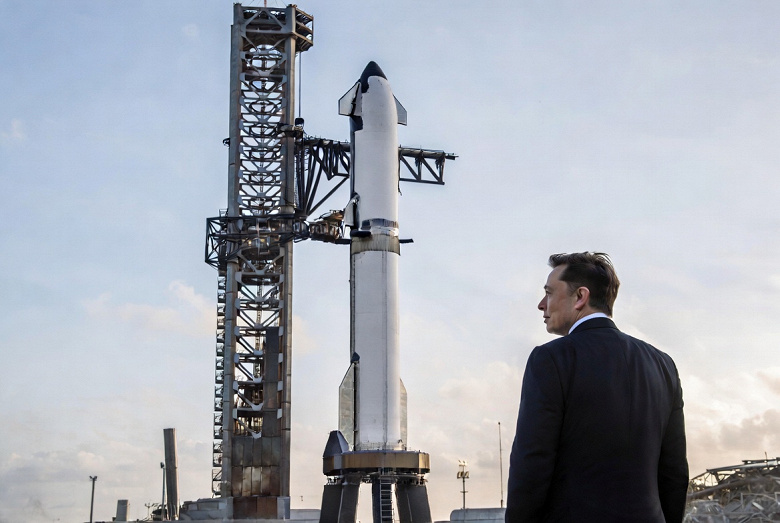 Image Grok
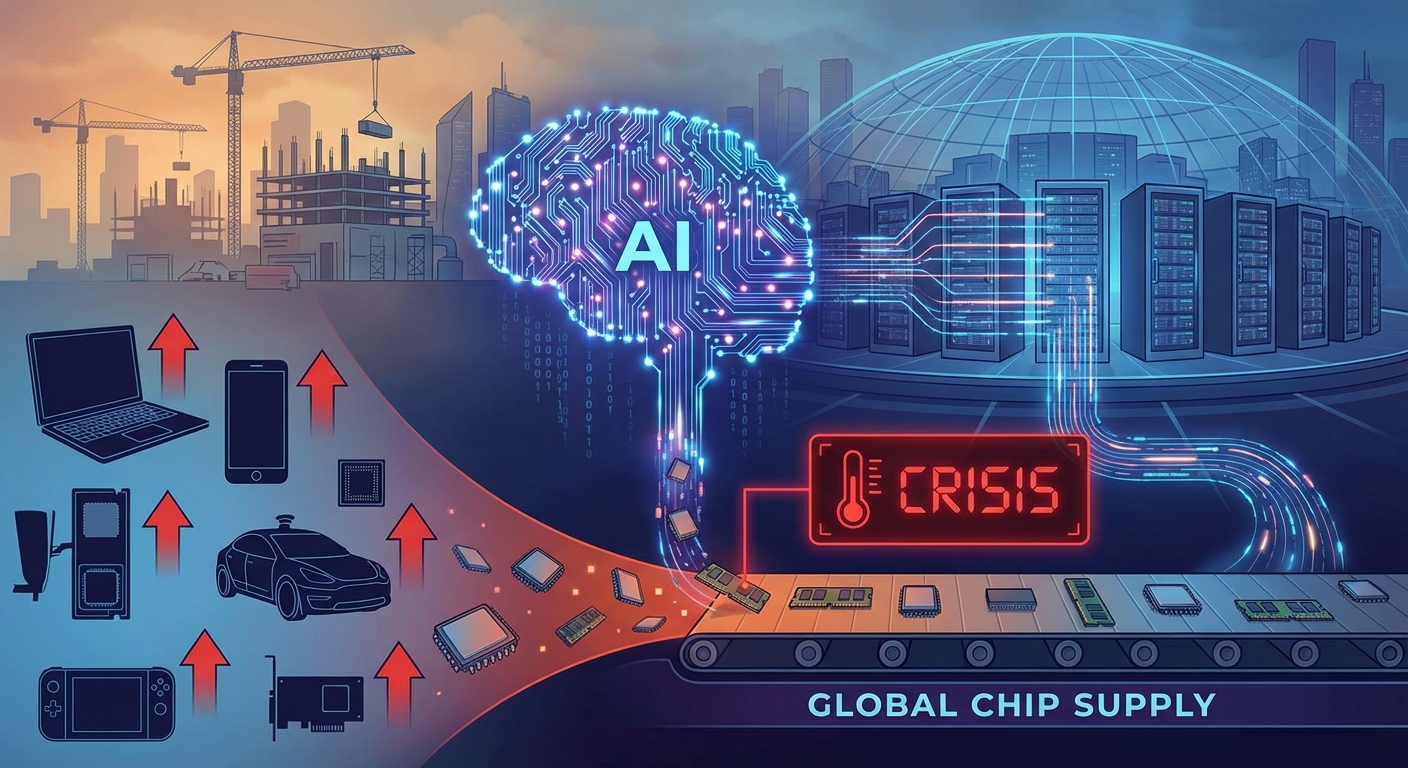
He also stated that the limiting factor for AI deployment is electricity, adding that we might already be manufacturing more chips than we can turn on by the end of this year. He reminded us that there will be more robots than people, promising machines that will “meet all human needs”. He urged us to prepare for an “astonishing abundance”. Elon Musk also stated that by the end of 2026, artificial intelligence will be smarter than humans, and in five years, AI will be smarter than all humanity. Artificial Intelligence and robots will lead to an unprecedented economic boom, with sales of Tesla Optimus to ordinary people starting in 2027. However, landing on Mars may take longer than initially expected. The billionaire outlined the objectives of his space company SpaceX.