





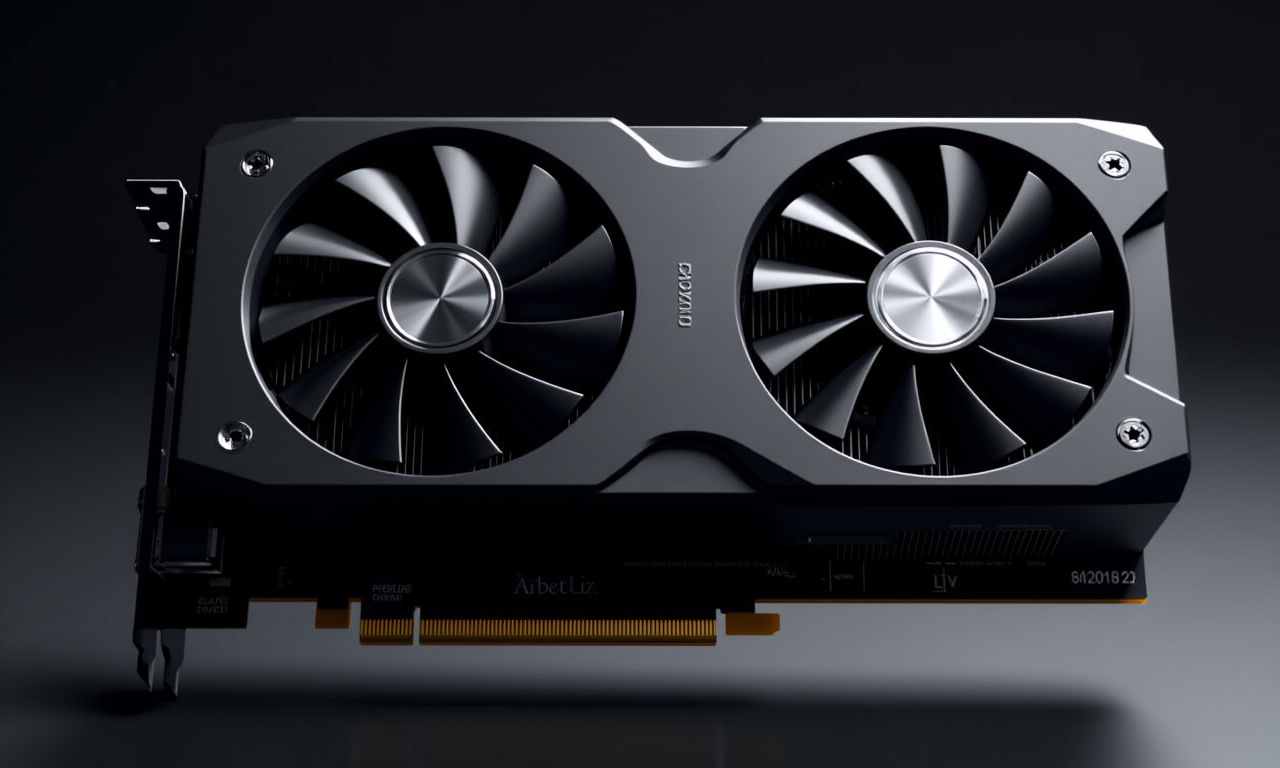

The first buyers in the United Kingdom have begun to receive the rare accelerator-the Maxsun Arc Pro B60 Dual 48G Turbo graphics card. This professional-grade solution is based on two GPUs. One of the owners has already shared unboxing photos and initial impressions on a Reddit forum.
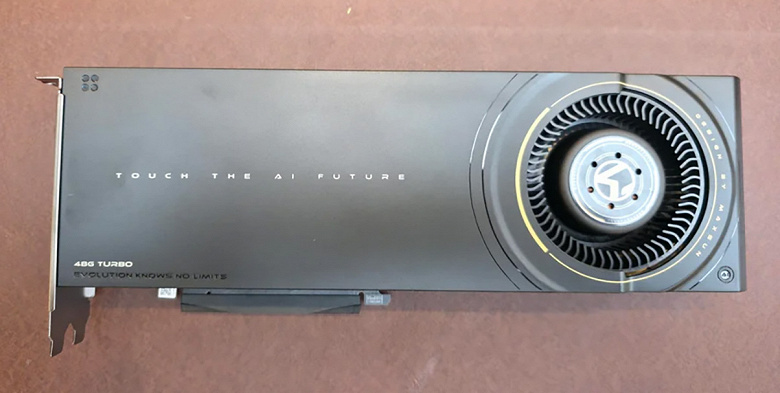
The main feature of the model is its architecture: the Arc Pro B60 Dual isn’t a unified GPU with 48 GB of memory but consists of two separate Arc Pro B60 (BMG-G21) GPUs on a single printed circuit board. Each chip is allocated 24 GB of GDDR6 memory. The operating system recognizes the device as two independent graphics cards. It utilizes a single PCIe x16 slot, with 8 lanes allocated to each “graphics card.” The frequency is 2.4 GHz with a consumption of 400 watts. The accelerator is suitable for AI tasks and content creation, though it remains useless for gamers: since the system sees two separate devices, only one chip will be utilized in games.
The buyer confirmed purchasing the device specifically for local testing of large language models, citing a positive experience with the Intel Arc A380. The cost of the novelty was £1,400 ($1,900). Notably, shortly after the purchase, the accelerator’s price in the store rose to £1,550 ($2,115).
Emerging Trends in Dual GPU Technology
The release of the Maxsun Arc Pro B60 comes at a time when there is a growing interest in leveraging GPUs for AI and machine learning. The dual GPU setup, while not new, offers significant advantages in parallel processing, granting content creators and AI researchers the performance they need.
With the likes of NVIDIA and AMD also pushing the boundaries on GPU technologies, the competition is fierce. Maxsun’s approach with a dual card strategy points towards a niche market segment focused on professional tasks rather than gaming, where the potential of both GPUs can be fully utilized.
Impact on the Market and Consumers
For small to medium enterprises and individual professionals, the Maxsun Arc Pro B60 is an intriguing proposition, particularly for tasks involving large data set processing and real-time rendering. Although not a gaming powerhouse, its alignment with content production priorities mirrors the industry’s shifting focus towards AI and computational projects.
“The dual GPU architecture is set to redefine efficiency standards in handling AI models and expanding the horizons of what creators can accomplish in less time,” commented a tech industry analyst.
The rise in price post-release also hints at limited availability and heightened demand as users begin to recognize its potential in specialized tasks.