




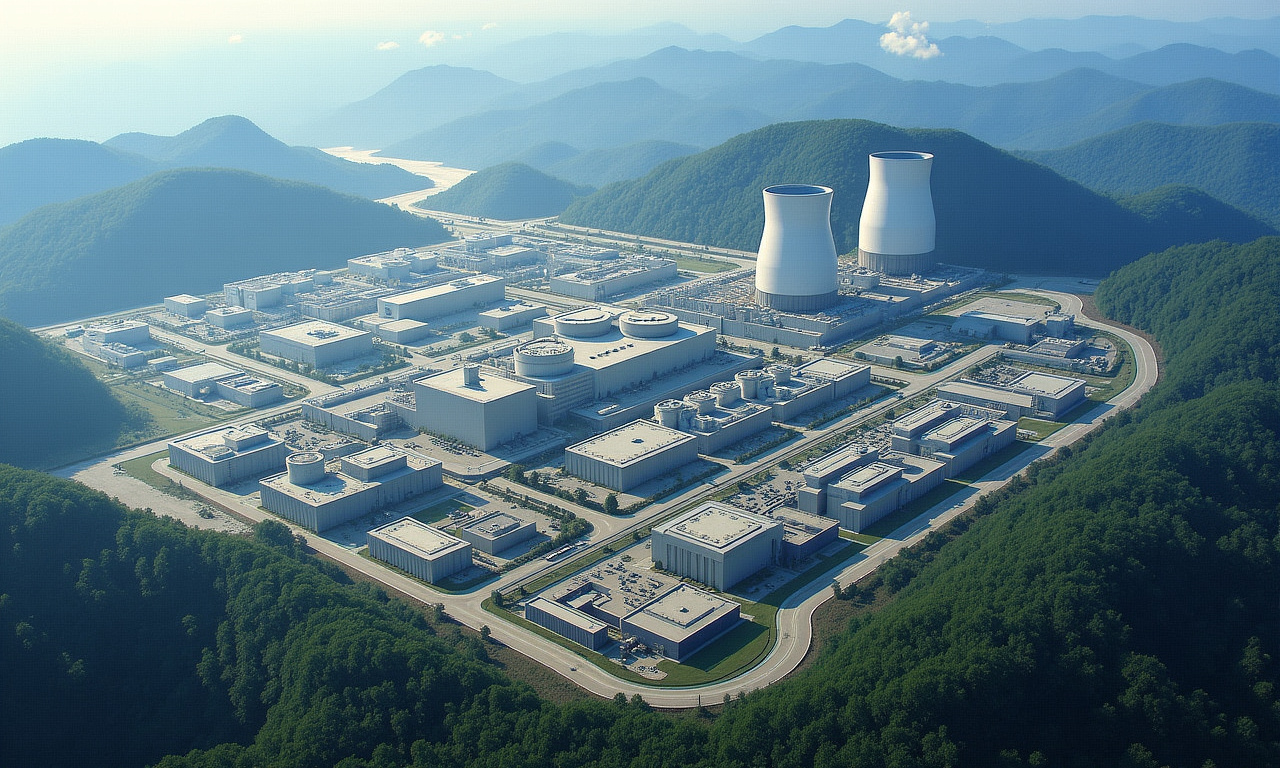

Japan’s energy giant, Tokyo Electric Power (TEPCO), has decided to halt Unit 6 of the world’s largest nuclear power plant, Kashiwazaki-Kariwa, following its restart on January 21. The control rod extraction process was suspended due to a malfunction in electronics, prompting the operator to completely stop the reactor. The Japanese nuclear energy authority emphasized that the incident poses no threat to the station; no radiation leakage or changes in radiation levels were recorded.
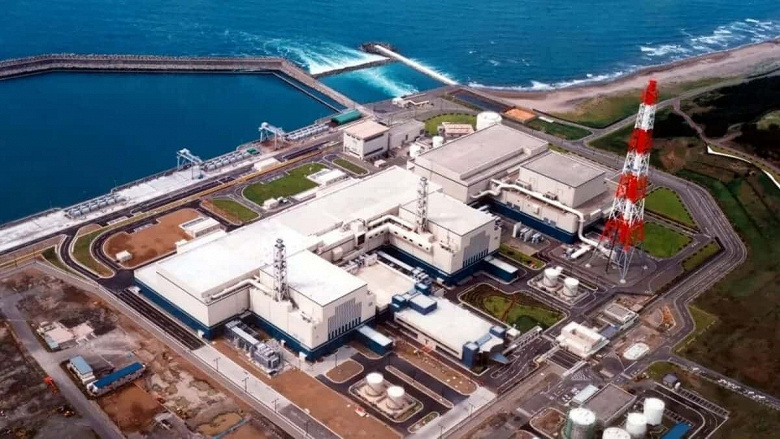
Commercial operation of the reactor was originally scheduled for February 26. In mid-January, station specialists already faced equipment issues during control rod extraction testing, which also delayed the launch. The timeline for another attempt to restart the reactor remains unknown. The Kashiwazaki-Kariwa facility, with its seven reactors and a total capacity of 8.2 GW, continues to be the largest in the world. After the Fukushima-1 disaster in 2011, Japan halted all 54 reactors, currently pursuing a partial restart with heightened safety measures. Currently, 14 nuclear power units are operational in the country, with numbers gradually rising.
Experts in Japan’s energy policy note that the recent challenges faced by Kashiwazaki-Kariwa underscore the complexity of balancing safety and the urgent need for clean energy. As Dr. Yoshihiro Ikeda, a nuclear policy analyst, remarks, “While technical difficulties like these highlight the challenges of maintaining old facilities, they also push the innovation envelope, driving advancements in nuclear technology safety standards.” According to government forecasts, Japan aims to raise the contribution of nuclear energy in its power mix to 20-22% by 2030, a key step in achieving carbon neutrality by 2050.