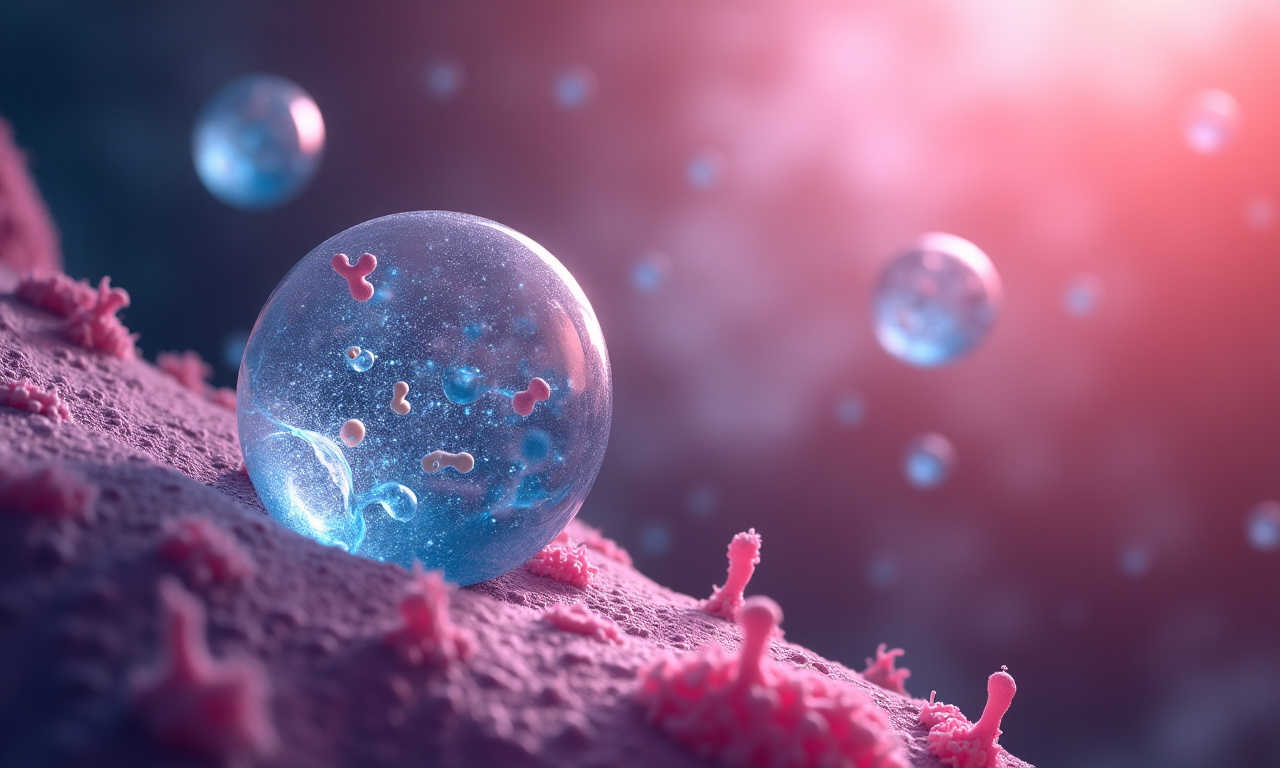

Scientists have developed “time capsules” for cells, known as TimeVaults, capable of collecting and storing molecular “memories” of a cell’s past activities. TimeVaults are based on cellular structures called vaults, whose exact function remains undetermined, but they are assumed to participate in the transport of mRNA and the regulation of cellular signaling. These have been modified to collect and store mRNA molecules – the products of gene transcription. “This is an important step toward the longstanding goal of continuous transcription recording in human cells,” says Randall Platt, a bioengineer at the Swiss Federal Institute of Technology in Zurich. He believes that TimeVaults will allow observation of previously inaccessible aspects of biology.
The existing methods of studying cell dynamics have limitations. Microscopy allows tracking of only a small number of molecules with fluorescent labels over a limited time. Analyzing mRNA in test tubes provides only a “snapshot” of the cell’s state at a single moment in time.
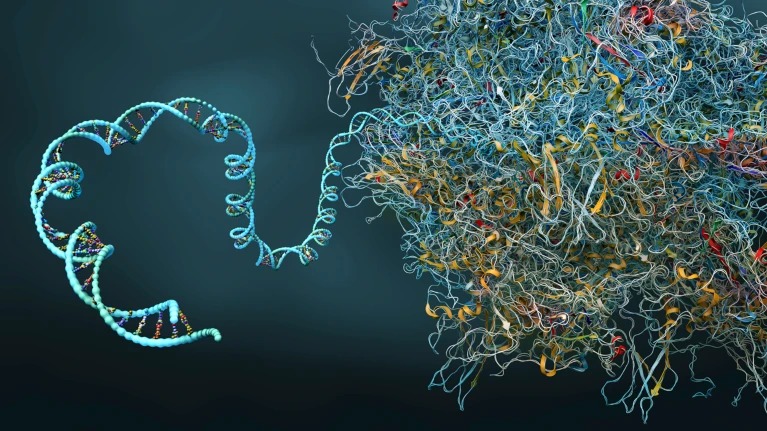
The team has re-engineered the vault protein to recognize and bind to mRNA, capturing it inside. The production of this protein is initiated by adding a drug and stopped by removing it. TimeVaults capture a small fraction of mRNA molecules produced by a human cell over 24 hours and store them for at least a week. Importantly, cells with TimeVaults do not change their behavior, and the vault structures themselves do not change in shape or size.
In their research, the team used TimeVaults to study and overcome the drug resistance of cancer cells. These cells, known as persistors, “survive” treatment despite the lack of genetic mutations that provide resistance.
Recent studies have shown that mediating mechanisms involved in persistors, especially in how they manage to survive despite treatment, provide a potential breakthrough in cancer therapies. Researchers are hopeful that with more data, applications can extend to other stubborn diseases with similar resistant behaviors.
As new methods like TimeVaults unfold, insights into cellular memory may also illuminate unknown pathways in drug-resistant strains, potentially influencing future pharmaceutical designs and treatments.