


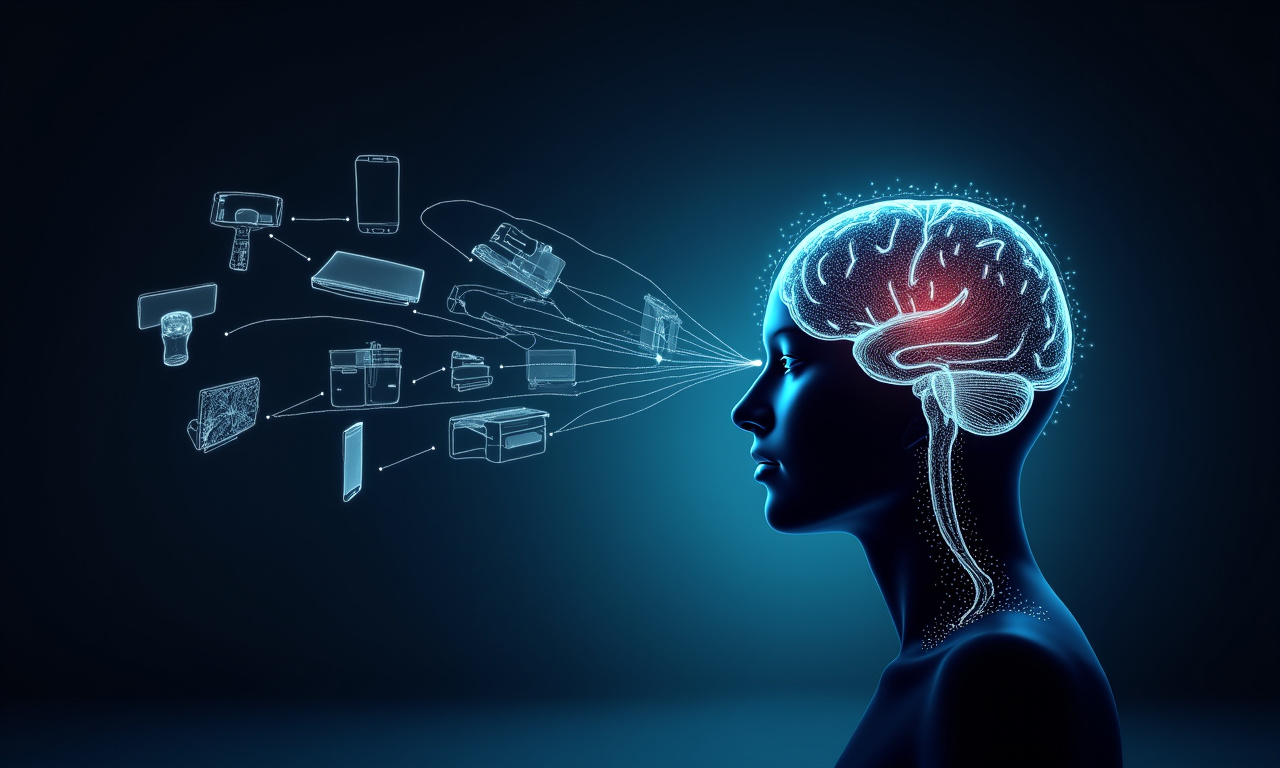

Nolan Arbo, the world’s first recipient of a Neuralink neural interface, has unveiled fascinating technical details about the implant. According to him, the device in his head is updated in the same way Tesla electric vehicles are – over the air. This means that the company’s engineers do not need to perform repeat surgeries to improve or optimize the device’s operation.
Arbo explained that updates come through two channels:
- Telepathy App: a program on the computer and phone he uses to control gadgets with the power of thought, is regularly updated.
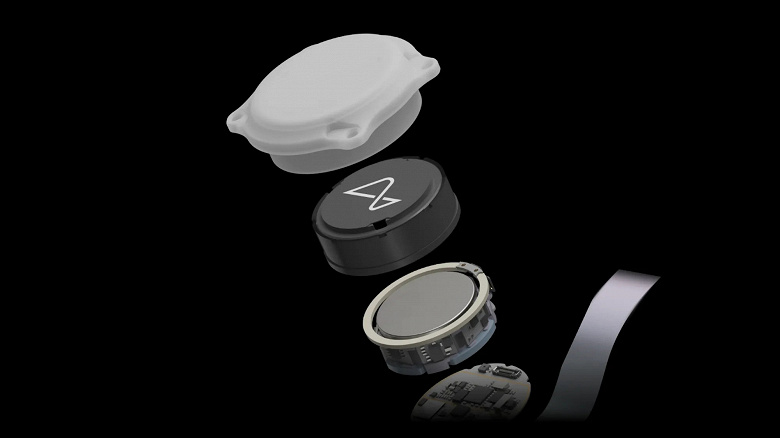
- Chip Firmware: the implanted chip itself receives new microcode remotely. This is how Musk’s team resolved issues that Nolan experienced in the early stages, as well as enhanced the speed and accuracy of neural signal reading.
However, the hardware cannot be updated over the air. Arbo noted that he is currently using a first-generation chip, but Neuralink already has more advanced versions. The patient declared his willingness to undergo new surgery for an upgrade or even to install a second implant.
Rapid Advancements and Expert Insights
In recent developments, Neuralink has received approval for human testing, marking a significant milestone in its technological progress. Experts in the field highlight the potential of Neuralink to revolutionize treatments for neurological conditions such as epilepsy and Parkinson’s disease. These advancements demonstrate the company’s commitment to addressing complex neural disorders.
Renowned neuroscientist Dr. Anna Thorpe emphasized the importance of continuous data collection from early users like Arbo to refine implant capabilities. “The feedback from initial users is invaluable,” she stated. “It helps in understanding how the technology interacts with the human neural network, paving the way for future enhancements.”
While challenges remain, such as ensuring the long-term safety and reliability of the implants, experts are optimistic. The roadmap for the next few years includes broadening human trials and refining AI algorithms for more intuitive human-device interactions.