




A vigilant Reddit user, while choosing a high-capacity SSD, suddenly came to an unexpected conclusion: in the backdrop of a chip shortage due to the AI boom, M.2 NVMe drives have become pricier than gold… if measured by weight. The discussion quickly gained popularity, prompting enthusiasts to test the hypothesis with real numbers – and the results were more than convincing.
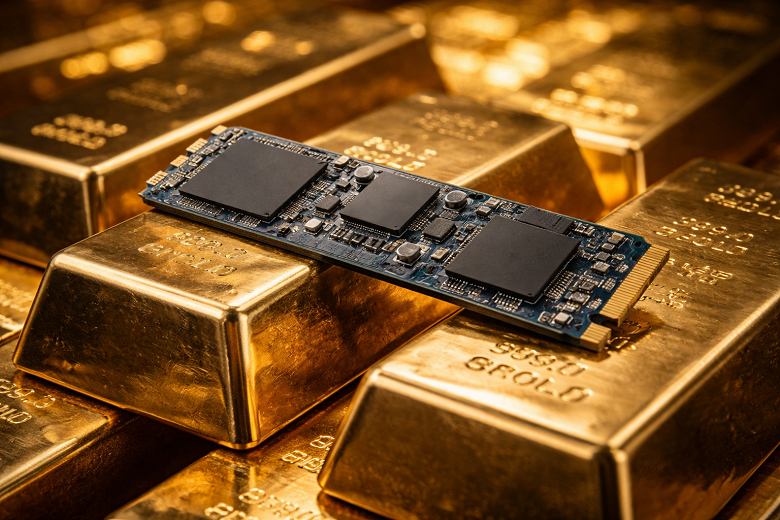
Data was collected on over a hundred SSD models from the catalogs of major US retailers – Newegg, Micro Center, Best Buy, and Walmart. Only consumer NVMe drives with PCIe 4.0 or 5.0 interfaces, 4 and 8TB in size, were included, being available and directly sold by the stores. Corporate solutions were deliberately excluded – their prices, as users joke, are «closer to antimatter».
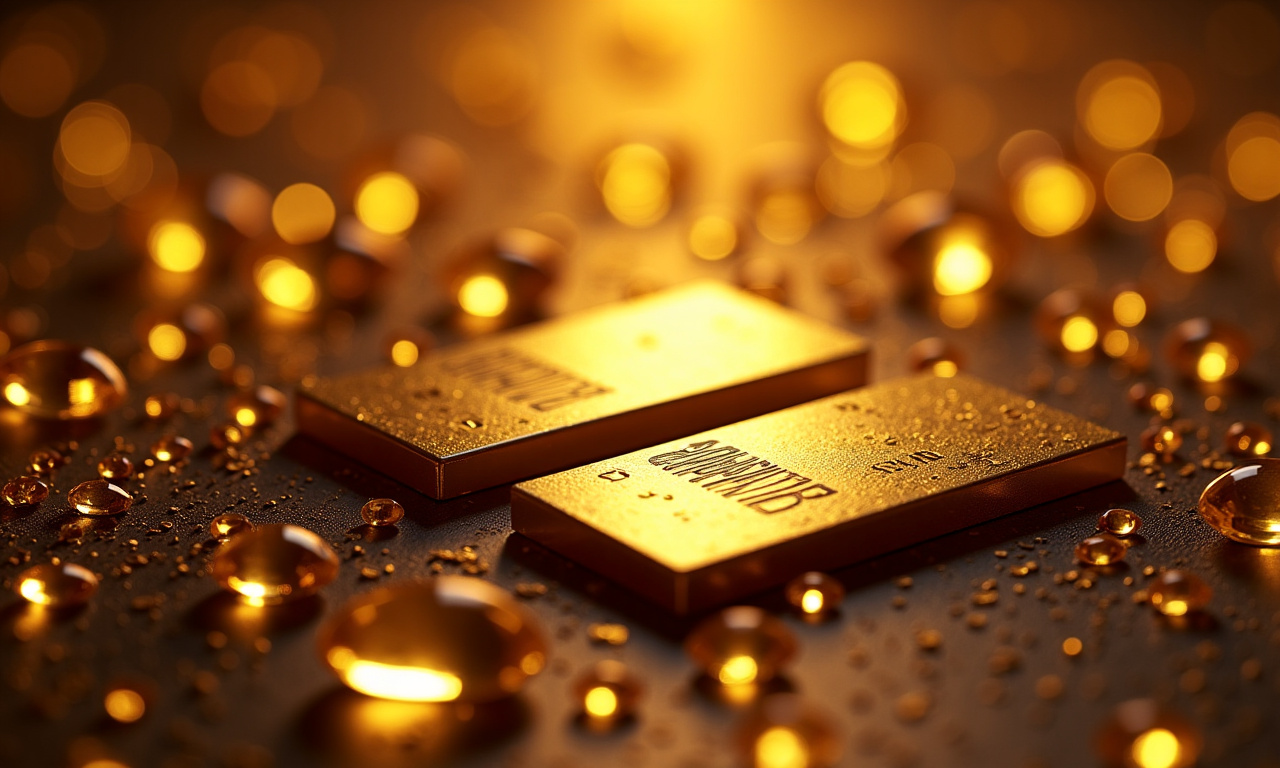
The average weight of the drives turned out to be surprisingly stable: about 8.2 grams for 8TB models and roughly 8 grams for 4TB versions. Even the double-sided chip layout barely affects the mass, and calculations were only made for SSDs without heatsinks. For comparison: gold currently costs around $148 per gram. This means an 8-gram «piece of gold» is equivalent to approximately $1184. And now the main point: the average price of a consumer 8TB SSD is about $1476, with speedy models costing even more. Thus, drives have indeed surpassed gold in price per gram. And this doesn’t just concern flagships. 4TB SSDs are also rapidly increasing in price – some models have already closely approached the «golden» price equivalent.
Meanwhile, the market has clearly divided: in the segment up to $800, storage-focused drives predominantly prevail, rather than those prioritizing high speed. Anyone wanting both large capacity and maximum performance will need to significantly raise their budget.
Brand factors stand out distinctly. The top spots in price rankings are almost entirely occupied by Western Digital (SanDisk) models, whereas competitors have visibly fewer offerings. At first glance, it might seem that WD is «overpricing» its products, but it’s more likely due to high demand and new batch supplies at already raised prices. Overall market trends are confirmed by price tracking services – like PCPartPicker: SSD prices are rising across the market.
Amid the AI boom, rising NAND memory costs, and limited production capacities, solid-state drives are increasingly transforming from a common PC component into an almost «precious» item.