





Memory Costs: A Volatile Landscape
AMD has acknowledged that the cost of video memory will be a critical factor in determining how long Radeon graphics cards can maintain their proximity to the recommended retail prices in 2026. This was stated by David McAfee, Vice President of AMD’s Ryzen division, in an interview with Gizmodo published during CES 2026.
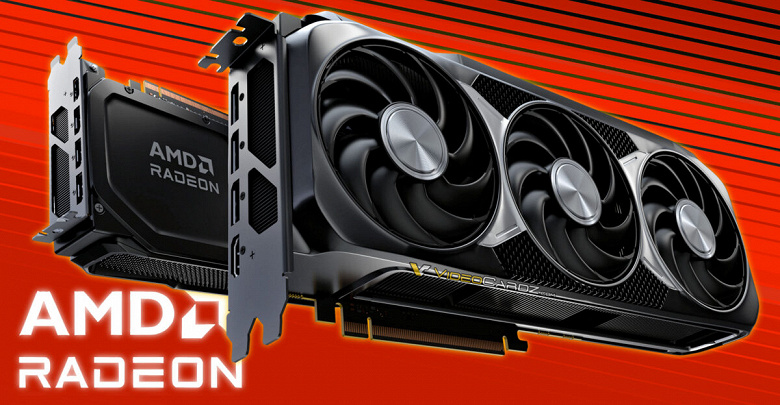
According to McAfee, DRAM prices and memory supply stability are key factors affecting the cost of 3D accelerators now. AMD is actively collaborating with both memory suppliers and graphics card (AIC) manufacturing partners to ensure sufficient supply volumes and keep final prices under control. However, McAfee noted that predicting future memory price movements is impossible, creating significant challenges in retail pricing strategies.
“We have established very strategic partnerships – for many years – with all DRAM manufacturers to ensure both the volume of supply we need and the purchasing economy that allows us to support our graphics business,” David McAfee said.
Comparative Market Dynamics
Analysts note that AMD accelerator prices are rising less intensively than Nvidia graphics cards. Nevertheless, there is a clear trend of increasing retail costs. For instance, the Radeon RX 9070 XT received a recommended price of $600 in 2025 but is now more expensive. The recently released Radeon RX 9070 XT Taichi White from ASRock is offered for $820, which is $220 above the recommended price. Previously, it was reported that Nvidia stopped producing GPUs for the GeForce RTX 5070 Ti accelerators and, in general, Nvidia reduced graphics processor supplies to graphics card manufacturers by 15–20%.
Innovations from AMD at CES 2026
During CES 2026, AMD unveiled significant advancements in their graphics card technology, including a new architecture promising enhanced performance and energy efficiency. The company is also investing in AI-driven features that optimize gaming experiences while ensuring lower power consumption.
Overall, the fluctuating memory costs are influenced by a variety of factors such as technological advancements in production, geopolitical tensions affecting supply chains, and even environmental regulations impacting production processes. Additionally, the ongoing shifts in consumer demand towards higher-performance GPUs contribute to the evolving landscape where AMD and its competitors operate.