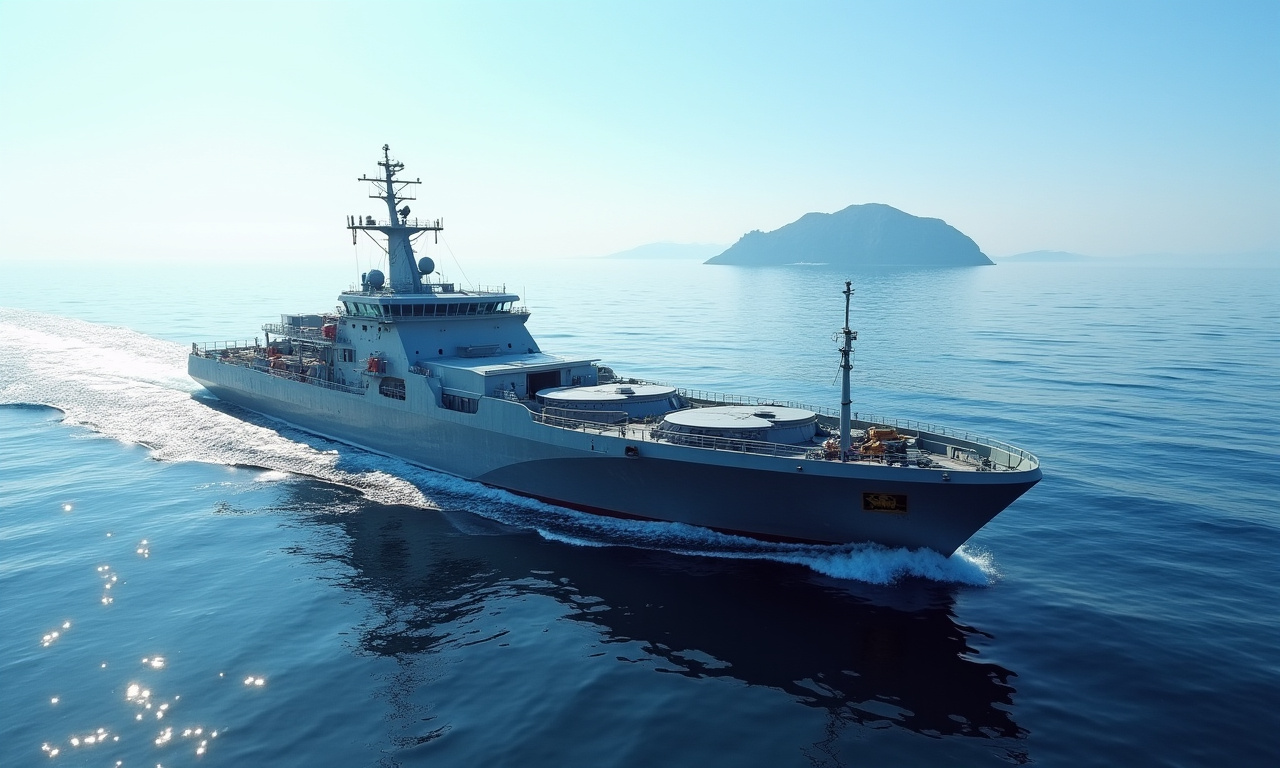

Japan has embarked on a month-long trial to extract rare-earth metals from the ocean floor at a depth of 6 kilometers, potentially becoming the world’s first sustainable deep-sea mining effort. The vessel Chikyu set sail from the port of Shizuoka towards Minamitori Island, situated 1,180 miles (1,900 kilometers) southeast of Tokyo. The mission’s goal is to continuously retrieve sediment rich in rare-earth elements directly onto the ship. If successful, Japan will secure a source of strategically important materials essential for manufacturing electric vehicles, electronics, and defense equipment. Japan aims to reduce dependency on China, which dominates the global market. Currently, around 60% of Japan’s rare-earth imports come from China, down from nearly 90% in 2010. Reducing dependency has become particularly critical amid growing diplomatic and trade tensions between the two nations.
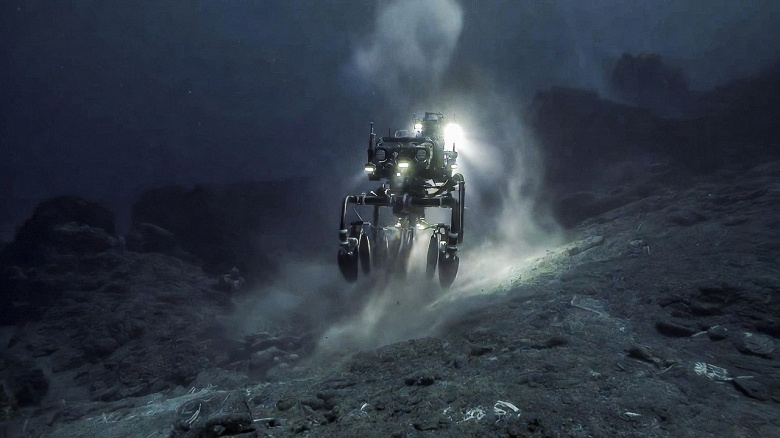
In the past, China restricted exports to Japan after a maritime dispute in the East China Sea. Since then, Japan has invested in developing overseas supply chains, including through a partnership between the trading house Sojitz and the Australian company Lynas Rare Earths. However, mining on domestic territory remains a priority. Heavy rare-earth metals, crucial for producing powerful magnets used in electric motors for electric and hybrid vehicles, are of particular importance to Japan. Nearly the entire supply of these materials to Japan currently comes from China. China is tightening controls over the export of dual-use goods, including some critical minerals. This could impact Japan’s automotive and high-tech industries. The Japanese government has invested about $250 million (40 billion yen) in the project since 2018 but has yet to determine the estimated resource volumes and mining targets. If the current trials succeed, full-scale mining is scheduled to begin in February 2027.