





The United States Department of Defense has announced its intention to become an “anchor investor” in L3Harris Technologies by allocating $1 billion towards the expansion of solid rocket motor (SRM) production. This conversion will only proceed in the event of the planned initial public offering (IPO) of the rocket division, which the company intends to carry out in the second half of 2026. This move represents one of the most significant interventions by the U.S. government in the defense industry sector. The Pentagon has stated that the agreement is a direct result of a procurement transformation strategy aimed at investing in companies throughout the supply chain to provide better conditions for taxpayers.
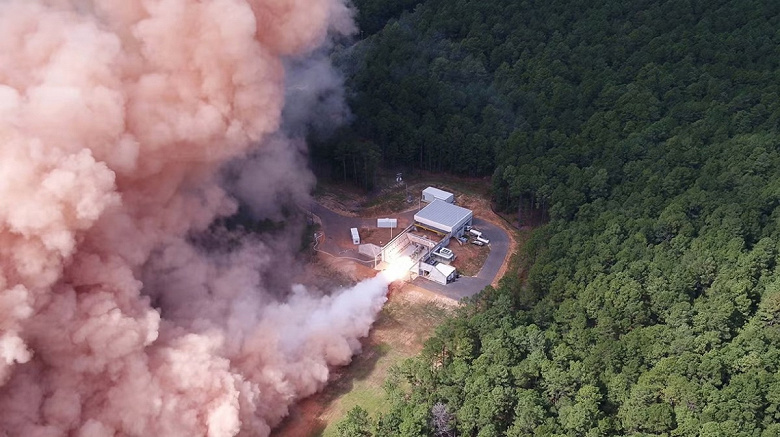
Demand for SRMs has surged sharply in recent years. Production remains capital-intensive and concentrated, with lengthy qualification timelines and hazardous manufacturing processes. The Pentagon’s funding will be used to expand plants in Camden (Arkansas), Orange (Virginia), Huntsville (Alabama), and Canoga Park (California).
Chairman and CEO of L3Harris, Christopher Kubasik, stated that the company will retain a controlling share of Missile Solutions, and the government will not manage the company. He mentioned that L3Harris had been working with Pentagon representatives for several months on the structure of the agreement, concluding that the company would need at least $1 billion to modernize and scale SRM production to levels required by the Department of Defense.
In recent developments, L3Harris has been actively diversifying its portfolio and expanding capabilities in advanced technologies such as autonomous systems and cyber defense, key areas of interest for the U.S. Defense Department. This aligns with the Pentagon’s broader strategic focus, which emphasizes enhancing American technological dominance through targeted investments in high-priority technologies.
Furthermore, this investment is expected to bolster the domestic supply chain of key defense components, reducing reliance on foreign suppliers and potentially accelerating innovation within the U.S. defense sector.