





The rise in prices for RAM and SSDs has been ongoing for several weeks, and now this pressure is starting to affect the flagship graphics cards market. Notably, the flagship GeForce RTX 5090 has seen a price increase.
According to the German marketplace Geizhals, only one model of the RTX 5090 is currently available at the recommended price, with all other offerings being noticeably more expensive. The most significant price hikes are seen in the popular three-fan versions, which had previously formed the lower price bracket for the RTX 5090.
According to HardwareLuxx, a similar trend is observed with the GeForce RTX 5080 and GeForce RTX 5070 Ti, albeit to a lesser extent. Meanwhile, AMD Radeon RX 9070 cards have also experienced a slight price increase, but the rise is limited to a few percentage points.
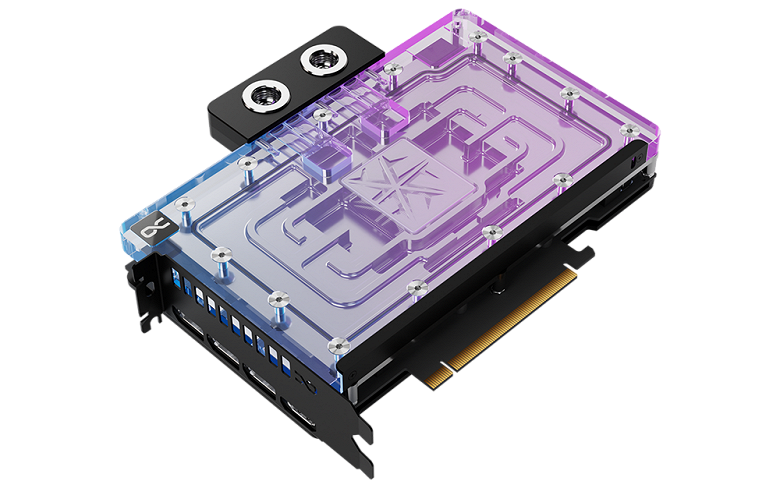
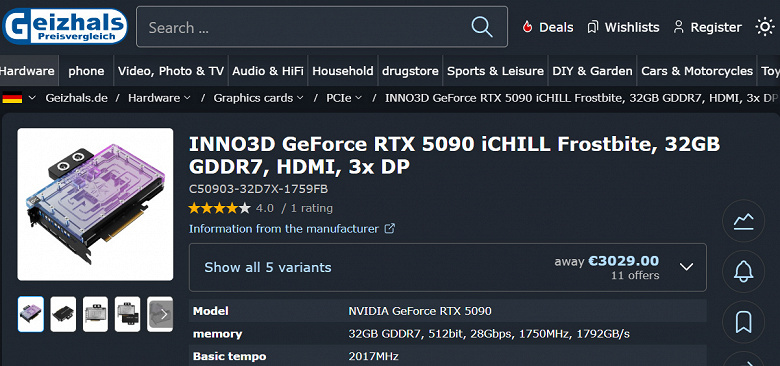
As of January 12, 2026, current prices for the GeForce RTX 5090 in Germany (according to HardwareLuxx) are: Inno3D RTX 5090 X3 – from 3050 EUR ($3467); Gigabyte RTX 5090 WindForce OC – around 3300 EUR ($3747); MSI RTX 5090 32G Ventus 3X OC – around 3150 EUR ($3579); ASUS TUF Gaming RTX 5090 – up to 3450 EUR ($3920). The most affordable option has become the Inno3D RTX 5090 iChill Frostbite with a pre-installed water block – 3029 EUR ($3440). These cards traditionally have the least demand due to cooling system complexities compared to regular air-cooled systems.
In this context, the RTX 5090 Founders Edition remains the only model still being sold at the recommended price of 2099 EUR ($2386) – and it is still available.
Factors Behind the Price Surge
The current economic conditions in early 2026 show that factors such as global supply chain disruptions, manufacturing challenges, and the high demand for semiconductor devices are contributing to the rise in prices of graphics cards. Emerging technologies and increased production costs in the semiconductor industry also play a role in these price hikes. This scenario is reflective of broader market trends where semiconductor shortages and logistical hurdles are influencing pricing strategies worldwide.