


New Milestone in Hypergravity Research
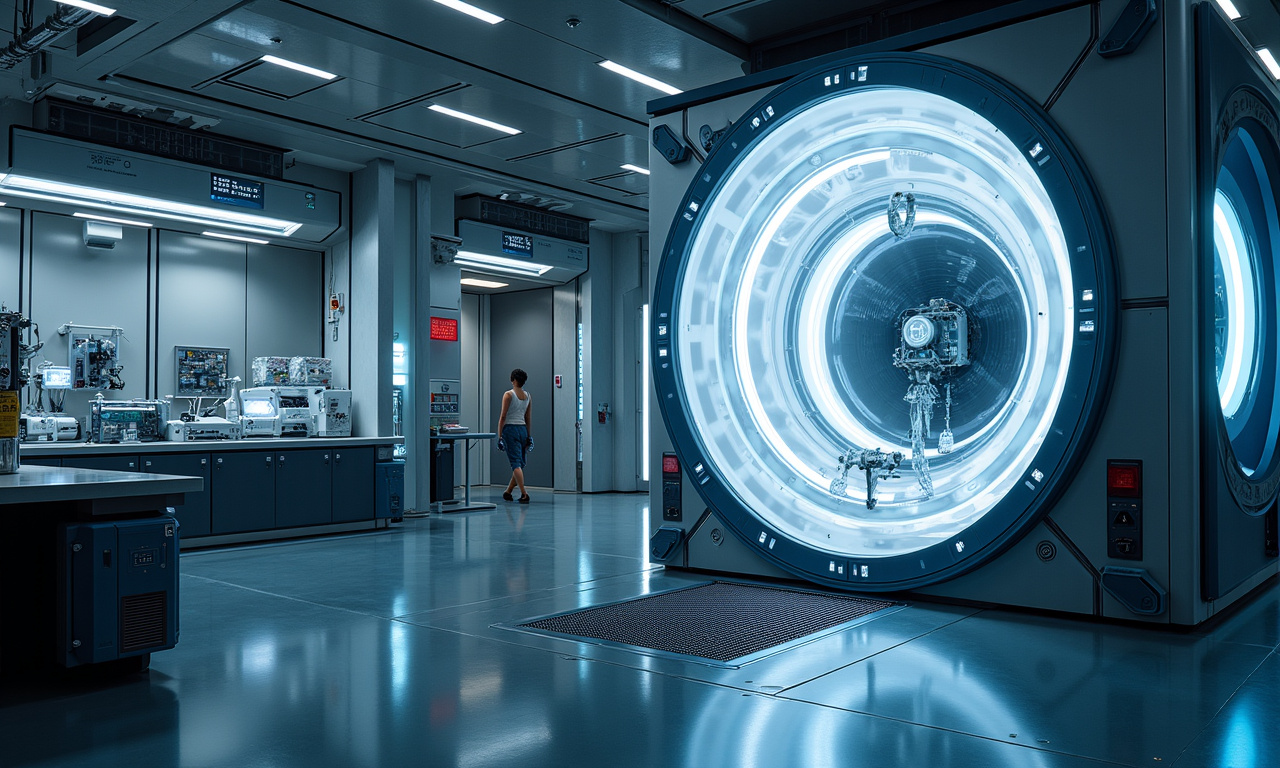
In China, a new experimental facility for research under extreme gravity conditions has been launched. The CHIEF1900 centrifuge, created at the Interdisciplinary Research Centre for Hypergravity Experiments (CHIEF) at Zhejiang University, can generate forces equivalent to almost 1900 times Earth’s gravity, making it the world’s most powerful installation of its kind. This setup is designed to simulate processes that span from milliseconds to thousands of years.
Through the sharp increase in gravity, researchers are able to “compress” space and time, studying the behavior of materials, soils, engineering structures, plants, and biological tissues in extreme conditions. For example, the stability of a dam around 300 meters high can be tested by spinning a ten-foot model under a load of about 100 g, replicating the real stresses in the structure.
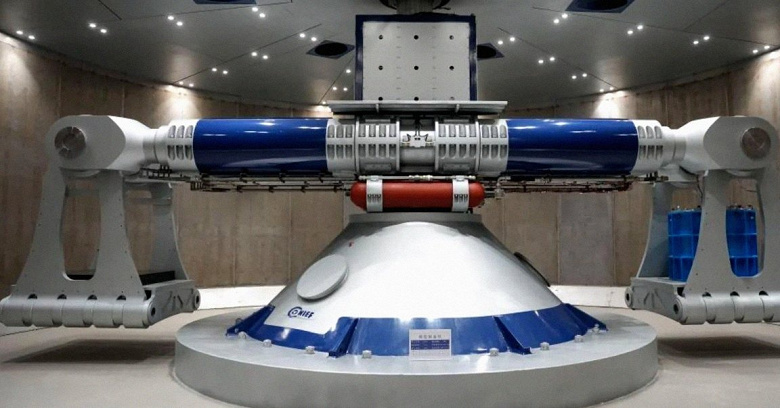
The CHIEF1900 can also be used for analyzing the resonance properties of high-speed railways, assessing the stability of underground structures, and understanding how pollutants migrate in soil over geological time scales. According to the developers, the installation covers a range of conditions from atomic to kilometer scales, at both normal and extreme temperatures and pressures.
Comparative Power and Technological Innovations
The new centrifuge replaced the previous record-holder, the CHIEF1300, which became the world’s most powerful only a few months ago. Before that, the title was held by the U.S. Army Corps of Engineers’ centrifuge in Vicksburg, Mississippi, capable of creating a load up to 1200 g⋅tons – a measure combining acceleration and the mass of the tested object.
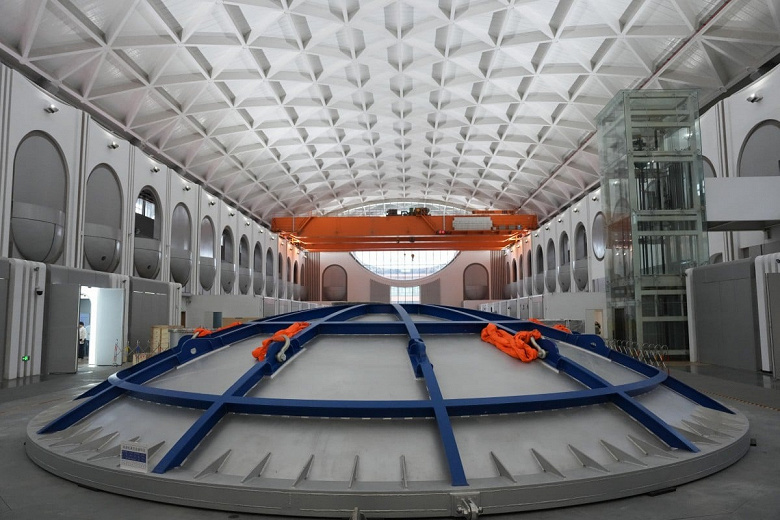
To achieve loads of up to 1900 g⋅tons, engineers had to solve several technical challenges, primarily related to heat generation at ultra-high rotation speeds. A vacuum thermal regulation system using refrigerant and forced ventilation was developed to maintain stable operating conditions.
As the project leader, Zhejiang University Professor Chen Yunmin, noted, the goal of the installation is to create experimental environments that allow the exploration of physical processes ranging from fractions of a second to tens of thousands of years. According to him, such conditions enable not only verifying existing engineering models but also discovering new physical effects and regularities.
Broader Implications and Future Prospects
The CHIEF1900 centrifuge represents a significant advancement in the field of hypergravity research and offers potential insights into a vast array of scientific disciplines. Its capabilities not only enhance engineering models but also open avenues for discoveries that could lead to technological breakthroughs. As global competition in advanced experimental science intensifies, initiatives like these place China at the forefront of cutting-edge research.