





Insider known as Rodent950 has revealed detailed specifications for the upcoming Honor Magic 8 Pro Air smartphone, focusing particularly on its camera features.
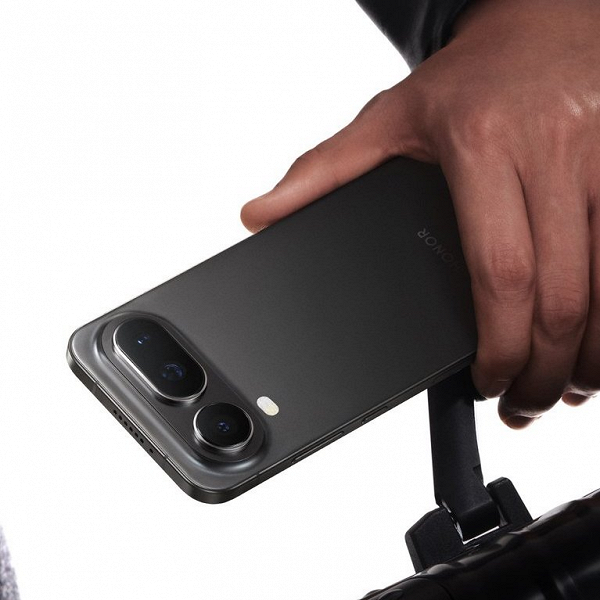
The phone is set to include a 50-megapixel front camera with an OmniVision sensor. The main camera will feature a 50-megapixel OV50Q sensor, optical stabilization, and a lens with a 23 mm EFR-similar to that of the Honor Magic 8 Pro. It will be accompanied by a module with an ultra-wide-angle lens and a 50-megapixel OV50M sensor (16 mm EFR, 112° field of view) and a module with a 64-megapixel OV64B sensor, OIS, and 3.2x optical zoom.
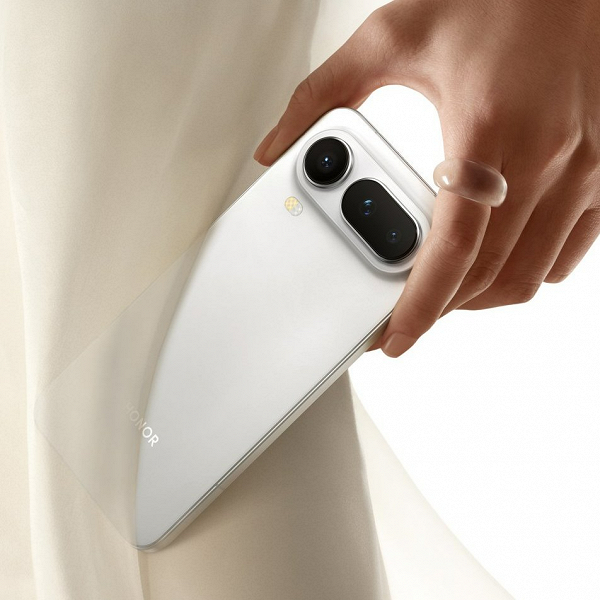
Honor Magic 8 Pro Air will feature a 6.31-inch OLED display with a 1.5K resolution, a Dimensity 9500 SoC, and a 5500 mAh battery with 80W fast charging. The top version will offer 16 GB of RAM and 1 TB of flash memory. It will run on MagicOS 10 based on Android 16 and include an ultrasonic under-display fingerprint scanner. The body will be just 6.1 mm thick, with a weight of only 158 grams. The official unveiling of the Honor Magic 8 Pro Air is scheduled for January 19.
In a highly competitive market, Honor seems to strategically position the Magic 8 Pro Air against other flagship devices anticipated in early 2026. Among its direct competitors could be models from Apple and Samsung, which are also expected to feature advanced camera technologies. Such advancements include multi-spectral imaging capabilities and enhanced AI-driven image processing functions, likely to improve photo quality under various conditions. Consumers today demand high performance from their smartphones’ camera systems, making this a crucial aspect of device appeal.
The Honor Magic 8 Pro Air aims to set itself apart with its robust camera suite, emphasizing versatility and quality-a clear challenge to its rivals. As technology continues to evolve rapidly in this sector, manufacturers are exploring novel features such as integrating AR experiences directly into camera apps, which may become commonplace in 2026. This push for innovation could significantly impact consumers’ expectations and experiences, pushing boundaries in mobile photography.