




The team at Bang4BuckPC Gamer recently put DLSS 4.5 to the test with the game Clair Obscur Expedition 33 in 4K resolution. Straying from usual methods that examine Quality and Balance modes, they focused on Performance mode, comparing it directly with native resolution. For those unrevised to the latest in DLSS, NVIDIA’s advanced AI-based upscaling technology, Performance mode elevates systems by relying on images at Full HD resolution rather than 4K, crafting an impressive end result.
New improvements in DLSS 4.5 have evidently trumped its predecessors, particularly in Performance mode, where it convincingly outdoes DLSS 3 under Balance mode. According to visual evidence, visible differences are scarcely present, with many claiming DLSS 4.5 even produces sharper images. However, this feature has sparked critique, with some users voicing discontent regarding this particular enhancement, especially noted in other modes as well.
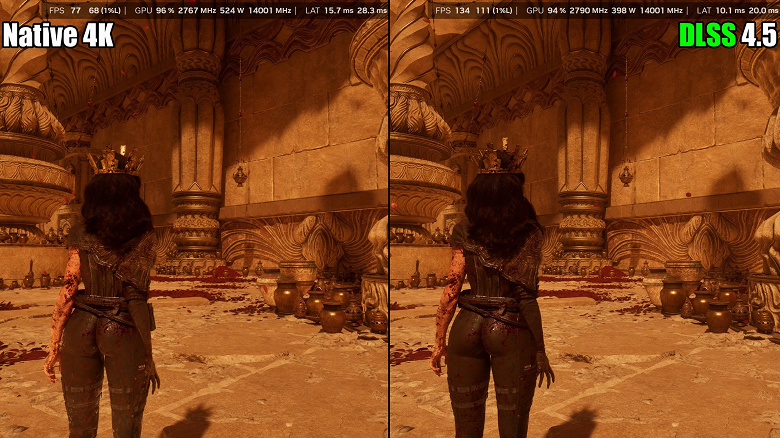
The reviewers did not delve into heavily zoomed-in shots, which leaves viewers with little visual conflict whether close-up or at a distance. Performance-wise, DLSS seems to boost efficiency by approximately 70-80%, a staggering figure that pairs with significantly lowered graphics card power consumption. The RTX 5090, in this test scenario, uses around 370-420 W, contrasting sharply with the 520 W needed at native resolution.
With all these advancements, experts remain optimistic yet alert, advising further exploration across diverse games and examining image details. This, in turn, ensures a comprehensive understanding of DLSS 4.5’s potential leap forward.
Nevertheless, there’s a caveat. As previously noted, DLSS 4.5 showcases an increased demand on system resources. Users with RTX 20/30 series graphics cards might experience stunted performance, enough to recommend against enabling DLSS 4.5 on such hardware.