





The Upcoming Vulcan Centaur Launch
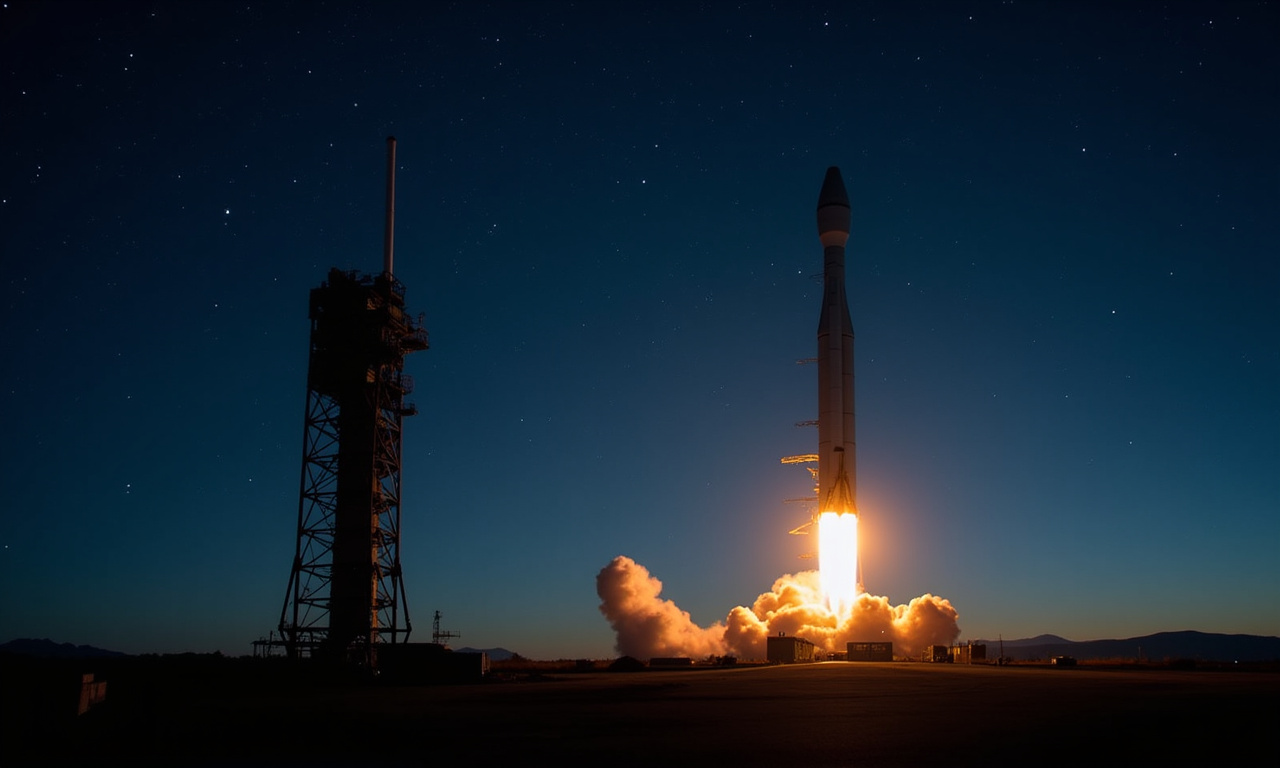
United Launch Alliance is set to kick off 2026 with a highly anticipated launch of the Vulcan Centaur rocket for the USSF-87 national security mission for the U.S. Space Force. The launch is scheduled for February 2 at the SLC-41 launch pad of the Cape Canaveral Space Force Station. This launch will mark Vulcan’s fourth overall and its second in the National Security Space Launch program, serving as a decisive moment in evaluating the rocket’s transition from certification to sustained operational frequency.
Mission USSF-87: Delivering Vital Satellite Capabilities
The mission will deliver two satellites, GSSAP-7 and GSSAP-8, part of the Geosynchronous Space Situational Awareness Program, to a near-geostationary orbit. These satellites are designed to observe, track, and identify objects in the geostationary belt, assisting in collision prevention and orbital activity monitoring.
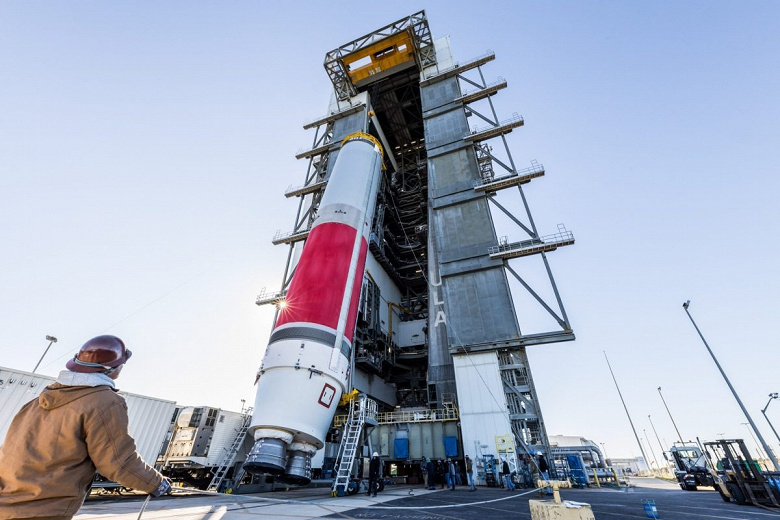
This mission will utilize the Vulcan VC4S configuration, featuring four solid rocket boosters to ensure a direct trajectory towards geostationary orbit is achieved.
Challenges and Changes at United Launch Alliance
The USSF-87 launch comes at a challenging time for ULA and the Vulcan rocket itself, a joint venture by Boeing and Lockheed Martin. The Vulcan reached operational status years later than initially planned due to delays in the development of the BE-4 engines, adjustments to ground infrastructure, and the U.S. Space Force’s requirement for two successful certification launches.
Further complicating matters, a recent leadership change at ULA has introduced additional uncertainty just weeks before launch. CEO Tory Bruno, closely associated with Vulcan’s development and market introduction, departed ULA to lead Blue Origin’s national security division.
The Road Ahead: Vulcan’s Critical Test
In this climate, Vulcan must not only demonstrate the ability to conduct launches successfully but also to maintain a consistent launch schedule without further delays. The U.S. Space Force emphasizes that the primary concern is not payload capacity but the rate of launches. In 2020, ULA obtained 25 missions under NSSL Phase 2, with the expectation that Vulcan would commence regular flights in the early 2020s as Atlas 5 and Delta 4 rockets were retired.
However, during a May 2025 congressional hearing, Major General Stephen Purdy, overseeing Space Force procurement, stated that the Vulcan program was deemed unsatisfactory, with issues resulting in delays of at least four national security launches, despite the rocket’s formal certification.
Implications of Vulcan’s Operational Regularity
The successful and regular deployment of the Vulcan Centaur is key to ULA’s market competitiveness, particularly in the field of national security launches. A regular launch cadence could strengthen ULA’s position against rivals such as SpaceX, especially given the recent troubles faced by the Falcon Heavy due to launch congestion and increased satellite demand.