





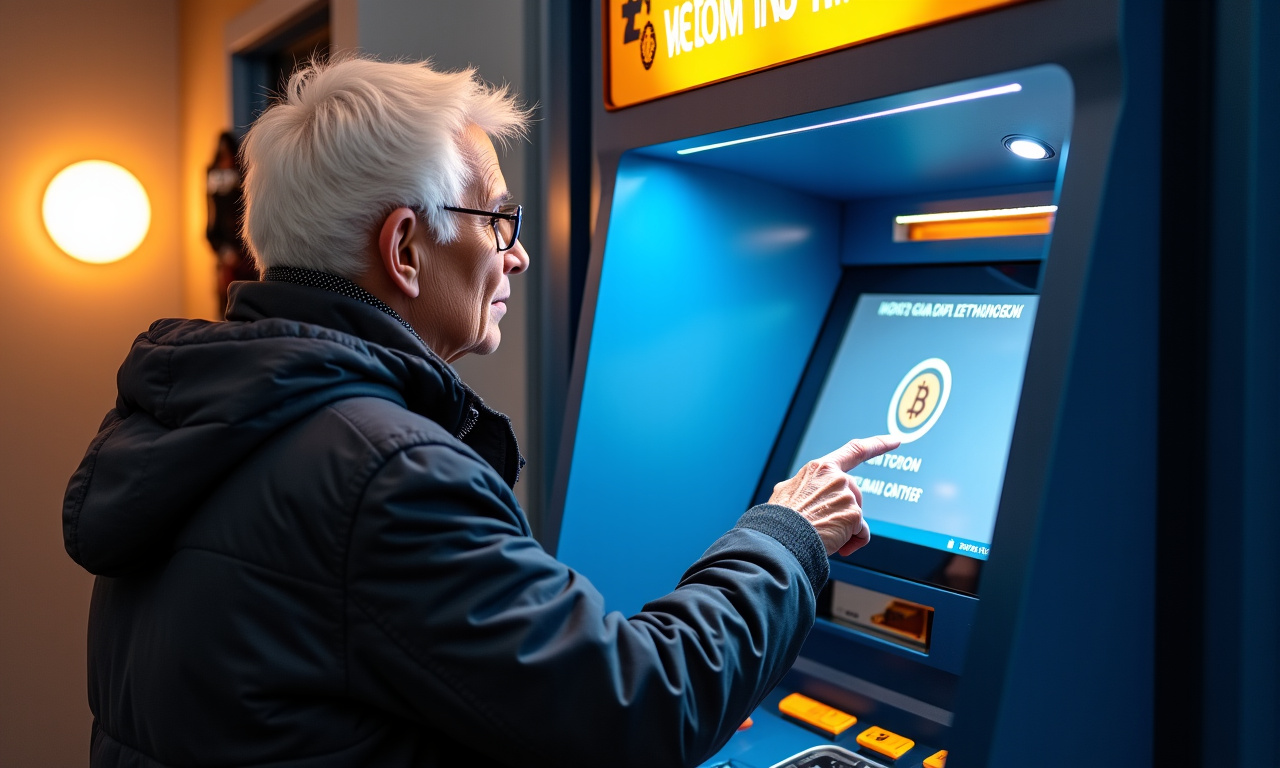

In the past year alone, residents of the United States lost over $333 million due to Bitcoin ATM fraud. According to the FBI, this fraudulent scheme is only gaining momentum. For 2025 alone, the findings indicate a minimum of $333 million lost by Americans, with the FBI’s data underscoring a “clear and persistent rise” that “is not slowing down.” For comparison, losses in 2023 were $114 million, which increased to $247 million in 2024. Recent global data reveals losses exceeding $500 million annually due to similar scams, with the US still leading in the number of affected individuals.

The core issue is not about some traditional perpetrators; rather, it’s the Bitcoin ATMs themselves and the companies servicing them. The U.S. Attorney General has even filed a lawsuit against Athena Bitcoin, stating that 93% of the transactions on its ATMs result from clear fraud. Authorities accuse the company of appropriating hundreds of thousands of dollars via undisclosed fees from scam victims.
Most interestingly, according to data from authorities, the average age of fraud victims is 71. Firstly, this shows the involvement of older people in the crypto industry, and secondly, indicates that younger users often somehow avoid losses. The root of the problem may lie in the interface of the crypto ATMs and various inconspicuous captions and checkboxes.
Experts argue that older individuals are particularly vulnerable due to unfamiliarity with fintech interfaces. The increasing fraud cases have not only shaken consumer confidence but have also led to calls from industry leaders for more robust security protocols. In recent developments, another cryptocurrency ATM provider faces allegations of fraudulent practices, illustrating a broader crackdown by regulatory bodies seeking to clean up the industry.
To counteract these issues, technological advancements and regulatory changes are underway. The introduction of mandatory identity verification at ATMs and enhanced fraud detection algorithms are seen as crucial steps to curb fraud. Some regions are also implementing stricter regulatory frameworks to oversee cryptocurrency ATM operations, aiming to protect all users, especially the older demographic.