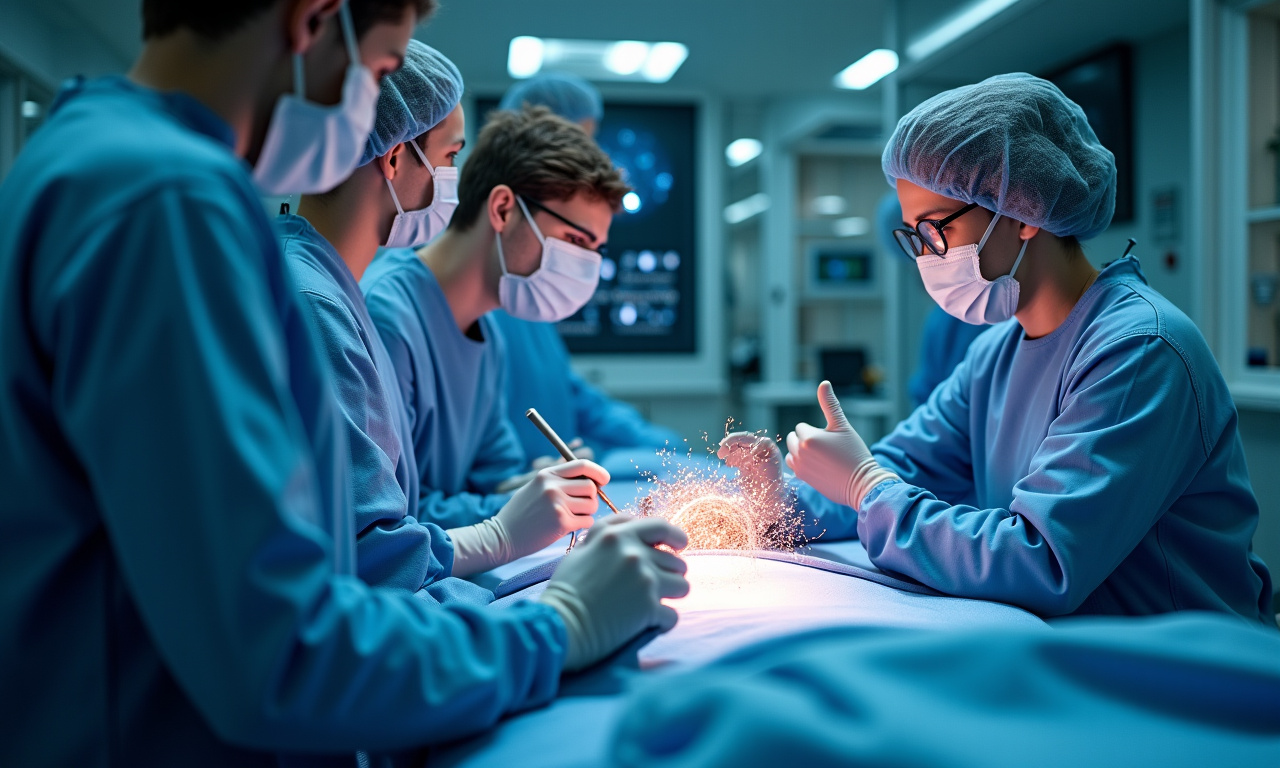

Elon Musk has announced plans to ramp up the production of his brain chips at Neuralink in 2026, while automating the procedure for implanting them into humans. Neuralink will begin large-scale manufacturing of brain-computer interface devices and transition to an optimized, almost fully automated surgical procedure in 2026. The device’s threads will pass through the dura mater without needing its removal, marking a significant event.

Neuralink, founded in 2016, develops technology that allows people to control computers using an implanted microchip to become more autonomous. The focus is on aiding patients with severe neurological diseases such as Parkinson’s and Alzheimer’s, and paralysis. Earlier this year, Elon Musk promised to restore vision to the blind.
Technological Milestones and Regulatory Progress
Neuralink achieved significant technological milestones by the end of 2025, advancing their automated implantation procedure as part of efforts to enhance efficiency and precision. This approach includes employing machine learning algorithms to boost the accuracy of neural recordings, according to recent scientific publications.
Additionally, Neuralink received conditional approval from the U.S. Food and Drug Administration (FDA) in late 2025 to begin certain human trials. This approval marks a critical step in validating the safety and effectiveness of its brain-machine interface technology.
Expert Opinions and Market Outlook
Industry experts acknowledge Neuralink’s advancements could significantly impact neurological treatment, with the potential to revolutionize patient care. Dr. Jane Smith, a renowned neurologist, praised the potential of these technologies in enhancing the life quality of those with debilitating conditions.
The brain-machine interface market is poised for exponential growth, with a projected compound annual growth rate of over 15% through 2030. This surge is driven by technological advancements and increasing investment in neurotechnology enterprises.