





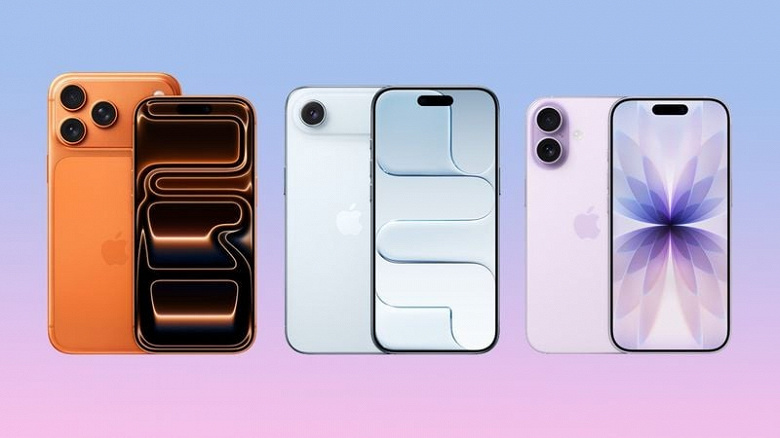
According to MacRumors, the iPhone 18 is unlikely to arrive until the spring of 2027, making the iPhone 17 series the last standard model for over 18 months. If this occurs, Apple will skip a full calendar year without releasing a new generation of its flagship non-Pro iPhone model for the first time. The delay is reportedly due to challenges in developing and manufacturing new display and camera technologies.
The iPhone 18 is rumored to feature a significant redesign, including a “fully bezel-less display” with Face ID and camera components placed under the screen.
Extending the development cycle enables Apple to manage risks related to suppliers at a time when producing advanced components is becoming increasingly complex and capital-intensive.
As smartphone hardware continues to evolve, making impactful changes to design is becoming more challenging. The iPhone remains Apple’s largest revenue source, accounting for more than half of the company’s total sales, with demand staying high despite relatively minor changes compared to previous years.
Apple is expected to continue its annual updates of Pro models, using the extended interval between standard iPhone generations to rebuild its broader hardware strategy. The company has not commented on this information, as Apple typically confirms product details only during launches.
The scenario suggests a potential delay in technological advancements for the iPhone 18, focusing on under-display components, which might affect consumer expectations around innovation. Additionally, the extended release cycle could influence Apple’s market strategy during economic challenges, requiring them to mitigate risks with suppliers.
Apple’s strategy to manage risks and adapt to complex supply chains highlights the increasing difficulty in sourcing and manufacturing innovative components for flagship models like the iPhone. The mention of a “fully bezel-less display” suggests competition with other tech companies that are pushing similar advancements, such as Samsung. It is crucial to understand how this aligns with broader market trends and consumer demand for new features.