




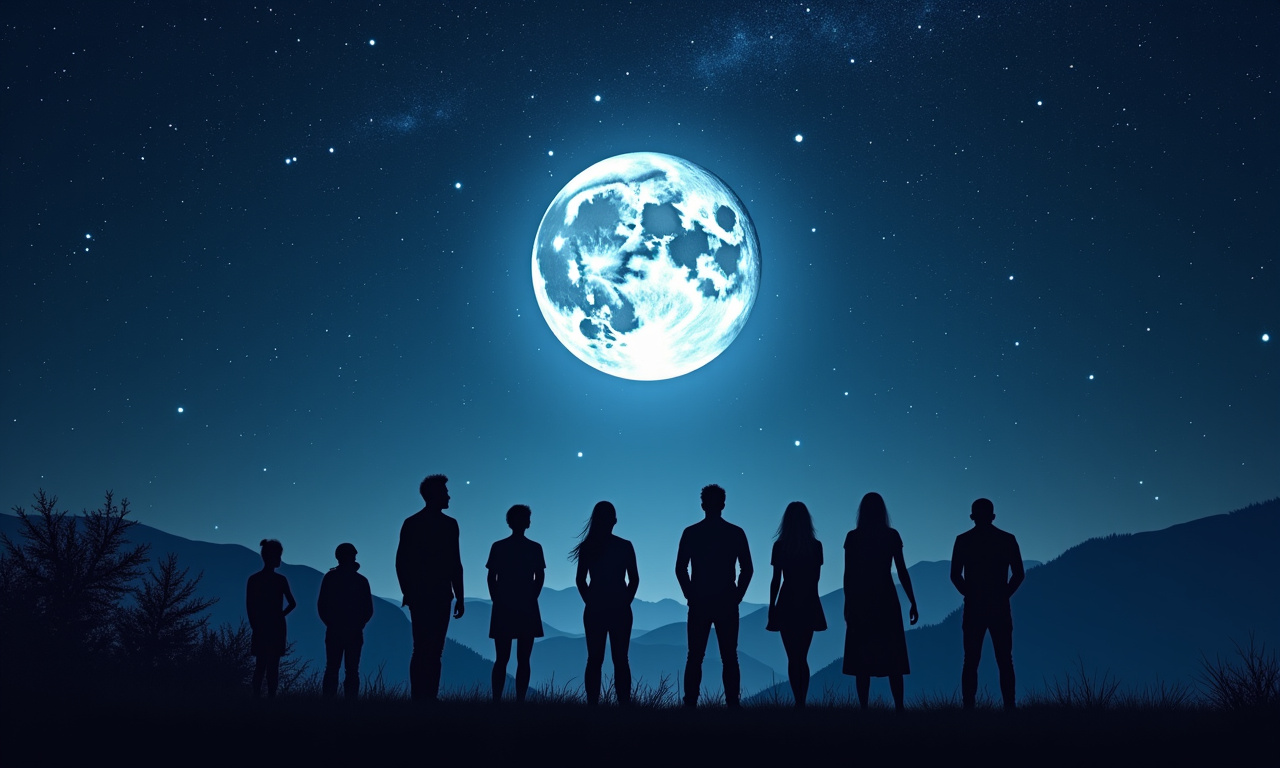

In January, residents of the Northern Hemisphere will be able to witness the first meteor shower of the year, the Quadrantids, peaking during the night of the 2nd to the 3rd. However, as reported by the American Meteor Society, the bright light from the supermoon, which will also occur on this night, will significantly hinder observations. Typically, during the Quadrantid peak, under favorable conditions, up to 25 meteors per hour can be seen. This time, due to the moon’s glare, no more than 10 meteors per hour are expected.
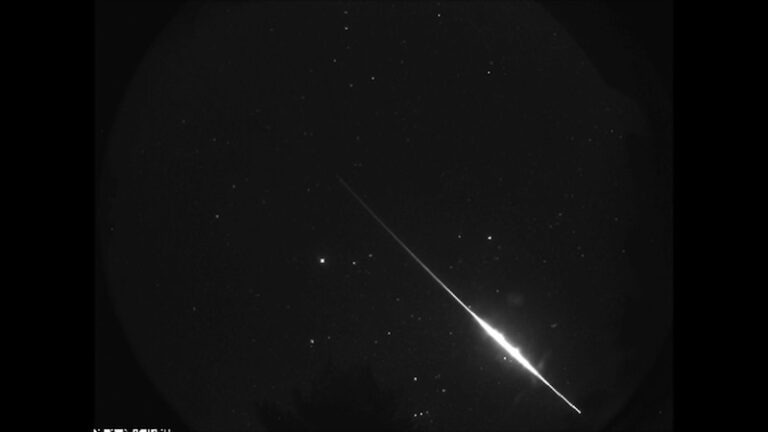
The Quadrantids are best observed in the Northern Hemisphere. For optimal viewing, it is necessary to travel outside urban areas where there is no strong lighting and look at the sky in the evening before the Moon becomes too bright, or early Sunday morning. It is important to let your eyes adjust to the darkness. Meteor showers are named after constellations from which they appear to originate. The Quadrantids are named after a constellation that astronomers no longer recognize. The source of the Quadrantids meteor shower is the asteroid 2003 EH1. The next major meteor shower, the Lyrids, is expected in April.
The supermoon on Saturday night concludes a series of four supermoons that began in October. The next supermoon will not occur until the end of 2026. Experts note that supermoons, being larger and brighter than normal, often attract more interest and are considered a spectacular cosmic event. Despite their beauty, they do pose a challenge for astronomers and skywatching enthusiasts as the increased brightness can outshine other celestial phenomena.
“While supermoons add beauty to the night sky, they can make it challenging to observe meteor showers in their full glory,” says Dr. Adrian Leonard, a prominent astronomer. “It’s a balancing act between enjoying a bright moon and catching those fleeting shooting stars.”