






TSMC Fast-Tracks 1.4 nm Technology
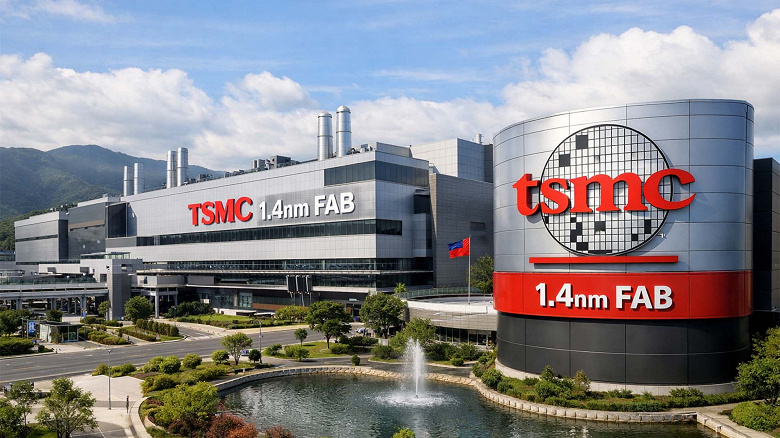
The company TSMC is set to commence production of semiconductor products using the new 1.4 nm process ahead of its initial schedule. These chips may enter the market as early as next year. Originally, TSMC planned to start production in 2028, but the new plans now envisage a 2027 launch. This acceleration is enabled by the yield of viable wafers, which is already significantly higher than the company had anticipated.
Major Investment in Taiwan
The company plans to initially launch four factories in Taiwan’s Central Science Park, with total construction costs nearing $50 billion. It’s noteworthy that TSMC recently commenced the production of chips using 2 nm technology.
Implications and Industry Impact
The accelerated shift to 1.4 nm technology illustrates TSMC’s commitment to maintaining technological leadership. This leap is crucial as other competitors like Intel and Samsung are also advancing their own semiconductor technologies.
Technological Rivalry Intensifies
In the fiercely competitive semiconductor industry, Intel recently announced it is ramping up efforts to advance its own process technologies, including the development of their 1.8 nm technology. Samsung, on the other hand, has been making strides with its 3 nm process, striving to capture a larger portion of the market. The race to achieve smaller nodes is everyone’s game, pushing the limits of what’s possible in chip manufacturing.
Emerging Opportunities
With the introduction of TSMC’s 1.4 nm technology, industries ranging from consumer electronics to automotive are poised to experience substantial enhancements in performance and energy efficiency. This technological advance is expected to catalyze innovative applications, helping industries to push past current limitations in speed, efficiency, and miniaturization.
Future Prospects
As TSMC readies its groundbreaking 1.4 nm chips, industry analysts forecast that such developments could redefine market dynamics by 2027, possibly reshaping tech landscapes globally. The pressure is on for competitors to streamline their own technological advancements to keep pace with this unprecedented shift.