

Tesla has encountered yet another challenge in the expansion of its Tesla 4680 batteries. The South Korean company L&F, which had previously secured a significant deal with Tesla, has drastically reduced the sum to almost zero. In early 2023, L&F announced a $2.9 billion contract to supply high-nickel cathode materials directly to Tesla. Now, this $2.9 billion has dwindled to… $7,386. There is no typo here: the deal decreased by six orders of magnitude.
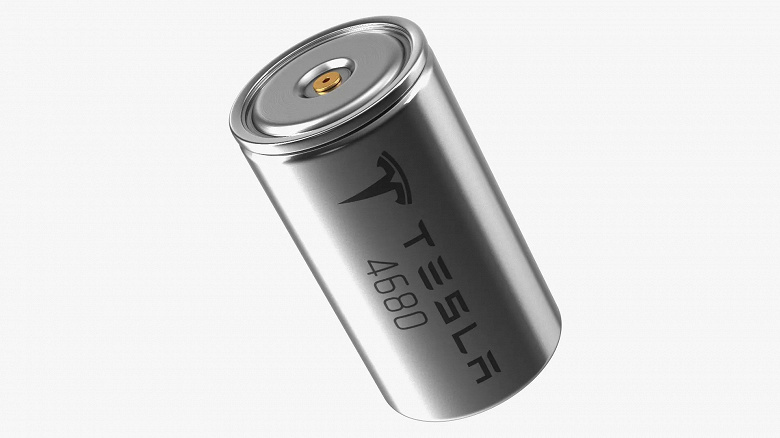
Simply put, Tesla initially planned to purchase a large amount of material from L&F to produce its power cells, but in the end, it purchased only a small portion. It is important to note that the Tesla 4680 cells are currently only used in the Cybertruck. So far, sales of these pickups have not exceeded even 60,000 units, although Tesla promised to sell 250,000 annually.
Cho Hyun-ryul, a senior analyst at Samsung Securities, stated that the performance issues with Tesla’s 4680 batteries and the slowing growth in demand for electric vehicles may have influenced the reduction of orders from L&F.
Recent Developments
As of the end of 2025, Tesla’s production of the 4680 batteries continues to face bottlenecks that have impacted its ability to meet demand projections, particularly following setbacks in scaling production processes. Analysts have noted that while Tesla has made strides in battery technology, the ambitious promises regarding the Cybertruck and its sales figures remain largely unmet.
Expert Opinions
Recent expert analyses suggest that Tesla’s ongoing challenges with the 4680 battery cells stem from difficulties in achieving consistent mass production quality. Industry experts have pointed out that Tesla’s reliance on advanced materials and new manufacturing techniques, while promising, requires more time to mature to establish robust production lines.