

As reported by DDaily, TSMC plans to launch its U.S.-based 3 nm chip production one year ahead of schedule. The company has already started producing 4 nm chips at its first Arizona facility, while the second plant will focus on mass-producing 3 nm chips, now set to debut in 2027 instead of 2028. 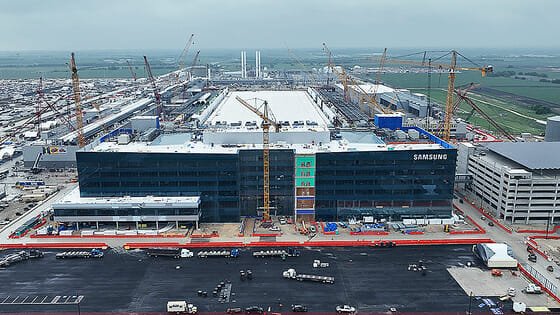 Photo courtesy of DDaily.
This accelerated timeline is primarily driven by the surging demand for cutting-edge processes like 4 nm, 3 nm, and notably, 2 nm. Meanwhile, Samsung is close to commencing its 2 nm chip production in the U.S., intensifying the competitive landscape. Intel, working on its advanced 18A process, has already secured major clients.
Recent analysis reveals that TSMC is striving to address significant challenges, including rising capital expenditures and a shortage of skilled labor. The semiconductor giant is also navigating supply chain constraints exacerbated by global political tensions and fluctuating material costs.
Moreover, the U.S. government has been actively fostering a favorable environment for local semiconductor manufacturing through initiatives like the CHIPS Act, offering substantial incentives and support to boost domestic production capacity.
TSMC’s initiatives are part of a broader strategy to maintain its edge in the face of rapidly advancing competitors and evolving market demands. As the semiconductor industry continues to transform, these developments underscore the critical role of strategic foresight and adaptation in sustaining technological leadership.