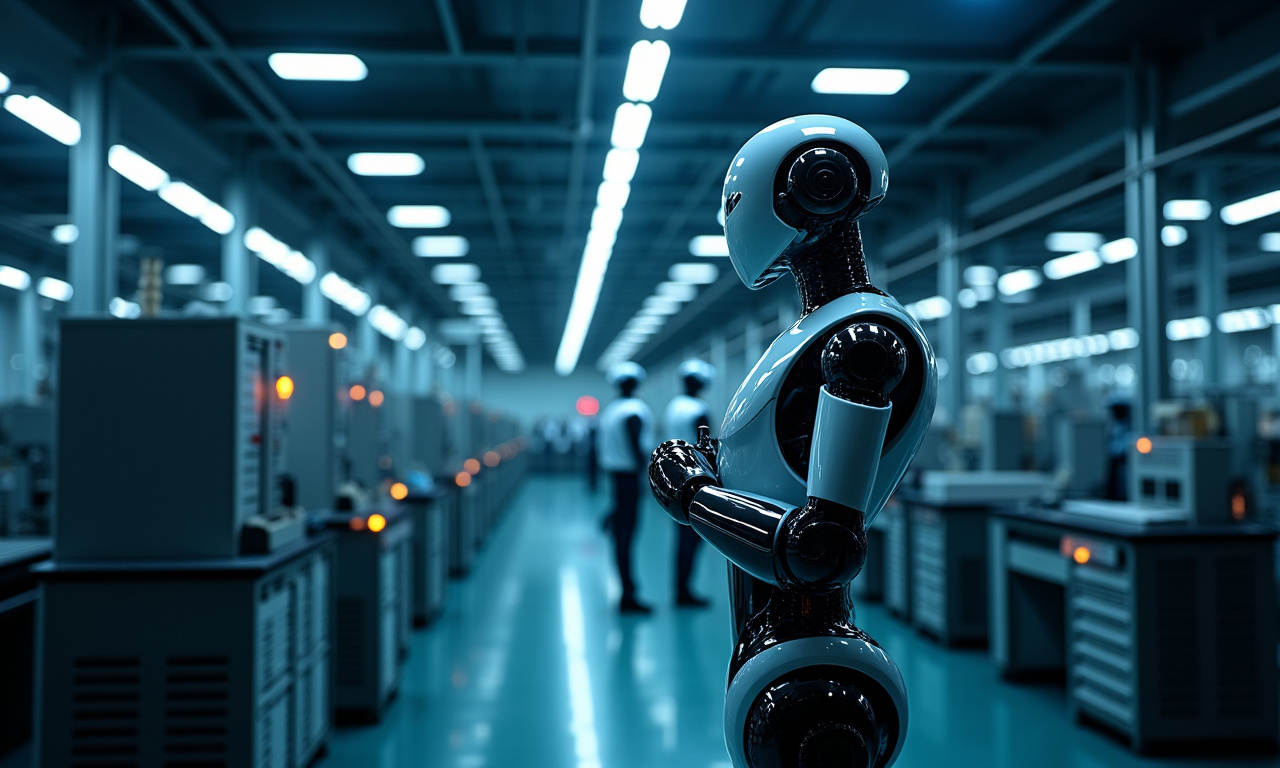

During the presentation of the Xiaomi 17 Ultra flagship on December 25, the company revealed details of its new project: a high-tech home appliance factory in Wuhan, which operates almost without human interaction.
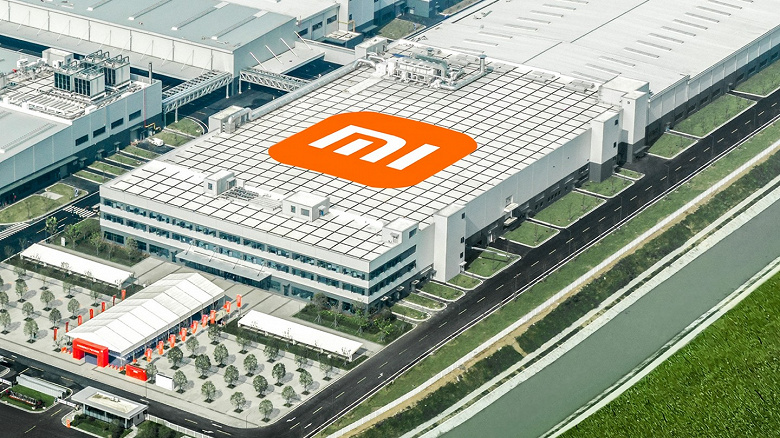
This new manufacturing complex has become the third major production hub for the company after their flagship smartphone and electric vehicle plants. The main feature of the factory is the concept of lights-out manufacturing. The die casting and sheet metal processing workshops are fully automated and require no lighting, as only machines are working there. The declared manufacturing precision reaches +/-0.05 mm. For transporting materials between the six workshops, a 4.2 km (3 miles) overhead conveyor system is used. Inside the factory, 161 autonomous mobile robots circulate. They independently transport components, avoiding obstacles in real-time. According to Xiaomi, robots handle more than 90% of internal logistics.
Such automation allows for incredible speeds: at peak capacity, a new air conditioner rolls off the assembly line every 6.5 seconds.

Quality control has also been entrusted to technology. Instead of traditional selective checks by humans, the factory uses computer vision systems based on artificial intelligence. High-resolution cameras inspect the printed circuit boards and mechanical assemblies.
The project was implemented at lightning speed. The agreement was signed in August 2024, construction began in November, and by January 2025, the main structures were erected, setting a local record for construction speed. The factory now produces large appliances on an industrial scale. Recent reports indicate that Xiaomi’s strategy to increase factory output by advancing automation technology has already started yielding positive results. Industry experts have praised this move as setting a benchmark in modern manufacturing efficiency, reflecting a growing trend towards full automation to meet the demand for rapid production cycles.