







Owners of the Samsung Galaxy A34 have started reporting a peculiar issue following a recent security update: when audio accessories are connected via USB-C, the quality of streaming video sharply deteriorates. It is reported that when watching content on services like Netflix, the image loses clarity, becoming heavily compressed or pixelized, whereas playback functions normally without connected devices. According to feedback, this issue affects users in specific regions of Latin America, including Brazil, and occurs solely with wired sound connections. Switching to Bluetooth headphones restores video quality, indicating a possible software error specifically related to the USB-C port’s performance.
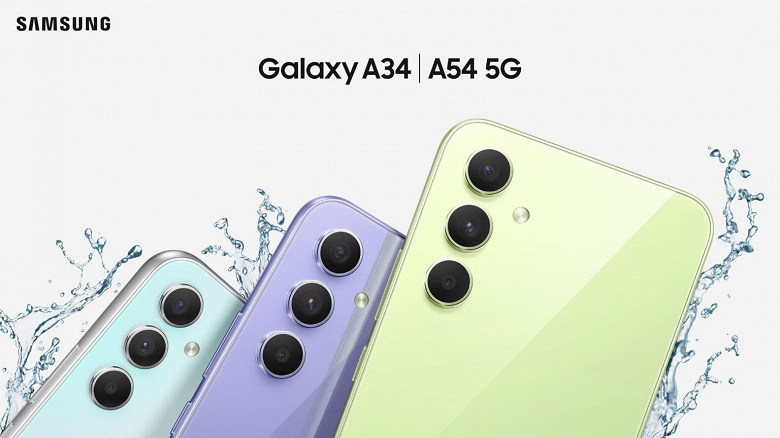
Preliminary findings connect the malfunction to the DRM system Widevine. During an error check, the device may switch from Widevine L1 to L3, limiting playback to standard resolution. The Galaxy A34 is built on a MediaTek chipset, with similar problems previously recorded on devices with these platforms. Currently, there is no official solution, and users are advised to report the bug through Samsung Members while awaiting an update to restore correct HD streaming functionality.
In recent updates, some users have taken to forums to discuss potential workarounds, which include attempting temporary fixes such as checking for other background applications that might be interfering when the USB-C slot is in use. However, there has been no universal fix confirmed. Samsung has yet to issue an official statement but acknowledged the issue’s occurrence in specific markets.
Additionally, industry experts have noted that while the Widevine DRM issue isn’t entirely unique to the Samsung Galaxy A34, particularly Android devices might experience similar fluctuations in DRM performance when software updates misalign with DRM requirements.