





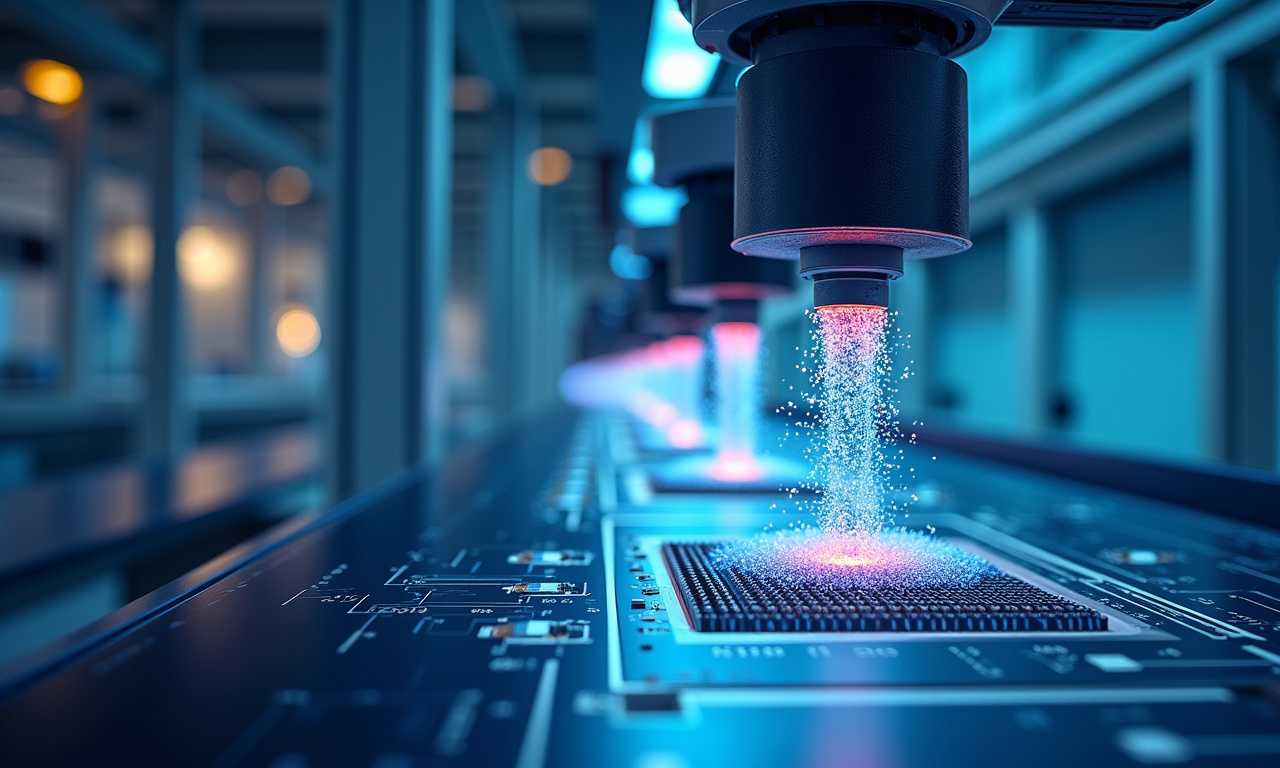

ASML’s lithography machines are primarily utilized in semiconductor manufacturing, but an unexpected application has emerged, thanks to IMEC. These costly systems can now fabricate nanopores, which are holes in materials with diameters of a few or several dozen nanometers. A top manager at ASML reportedly compared the size of these nanopores to a human hair, stating they are 10,000 times thinner. 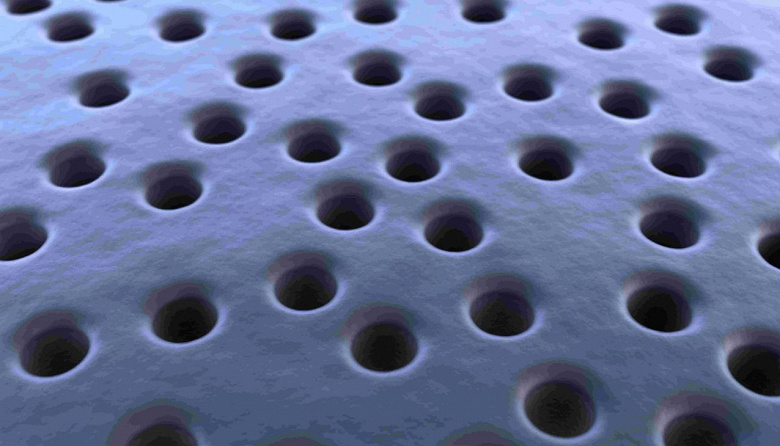
Nanopores have diverse uses in biomedicine, such as DNA sequencing, biomedical sensors, drug delivery, and more. The IMEC team discovered an impressive and unexpected biomedical application utilizing ASML’s high-resolution EUV lithography capabilities: the production of solid-state ‘nanopores.’ These pores are truly minuscule, about 10,000 times thinner than a human hair. Such pores can act as molecular checkpoints for biomedical sensors: when individual molecules like viruses, proteins, or DNA pass through, they generate electrical signals that can be detected and analyzed.
Previously, creating these nanopores was slow, expensive, and achievable only in small batches in laboratories. However, IMEC has pioneered a method to mass-produce these nanopores using EUV lithography, crafting reliable, precise, and uniform arrays of nanopores on 300-mm silicon nitride wafers. Their concept was presented at the IEEE International Electron Devices Meeting 2025. This advancement suggests that nanopores may soon transition from academic labs to hospitals, clinics, and research centers. As a result, this could lead to a new generation of diagnostics, improved genomics, more affordable medical tests, personalized medicine, and even molecular data storage.
The significance of IMEC’s achievement lies not only in the use of ASML machines but also in the ability to mass-produce nanopores in this manner. The incorporation of this technology is further bolstered by ongoing advancements in EUV lithography, which continues to push the boundaries of precision and efficiency. Such progress promises extensive implications for global healthcare and technology sectors, potentially sparking developments in medical diagnostics and semiconductor applications alike.