



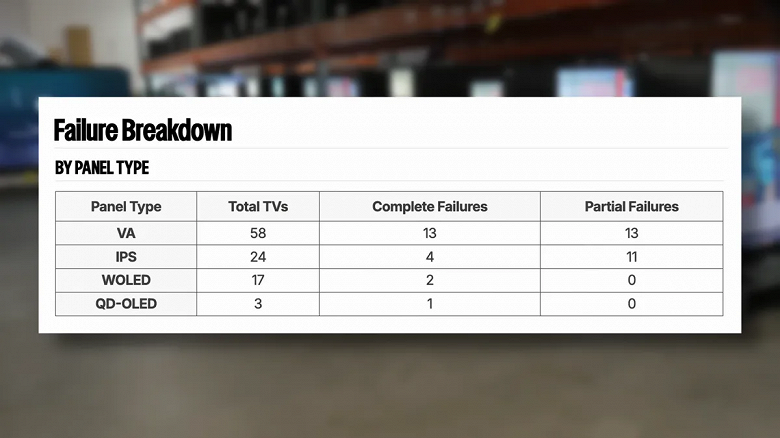
The resource RTINGS has published interim results of a large-scale TV durability test that has been ongoing for three years. The test involves 102 models from various brands operating under extreme load conditions. The outcomes have been unexpected: LCD panels, believed to be immune to burn-in effect, have performed worse than OLED panels. Out of all tested devices, 20 have completely failed, while 24 have suffered partial damage.
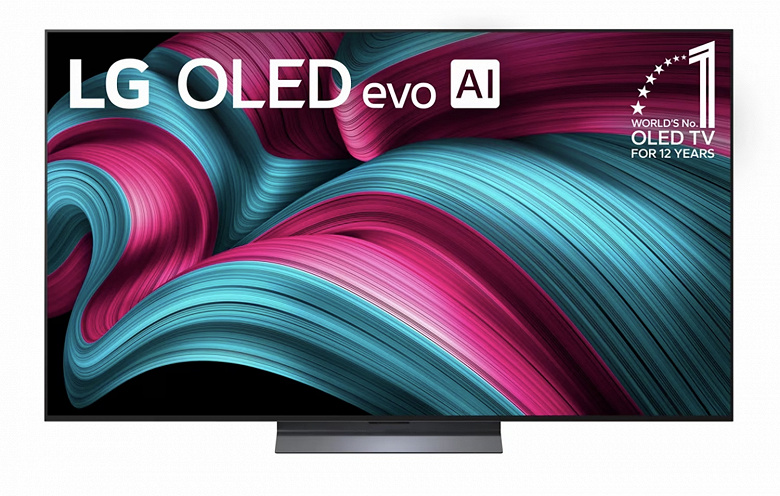
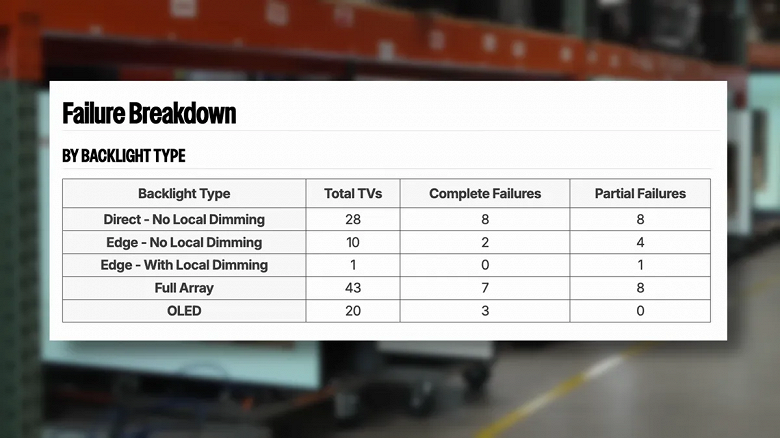
The most reliable brands turned out to be LG and TCL. Of the 24 LG televisions, only one ‘died’ (and it was an OLED screen model), while some LCD versions from this manufacturer faced partial malfunctions. In contrast, of 10 TCL samples, only one ceased to function by the end of the test. Conversely, TVs with edge-lit LED backlighting showed the worst statistics, where the failure of one diode often led to the entire system breakdown.
Televisions with local dimming technology (e.g., Mini LED) proved more reliable, but problems were identified in one out of every four TVs among them. As for OLED televisions, they have become the absolute leaders in ‘survivability’ thanks to the absence of backlighting as such. Although all OLED screens showed signs of image retention during the stress test, RTINGS experts emphasize: under real home conditions, this effect will not occur as the test simulates maximum loads.
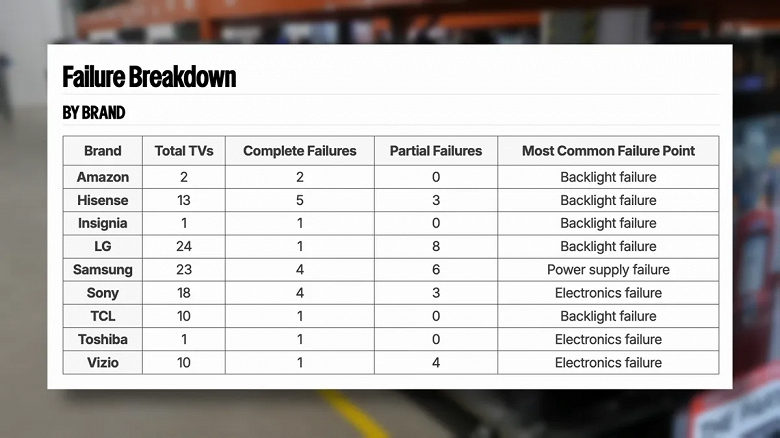
The study also dispelled the myth that an expensive TV will necessarily last longer. No direct correlation between price and reliability was identified: some budget models outlived their premium competitors. However, cheap TVs are almost irreparable due to the cheaper construction. Experts advice not to attempt repairing a faulty unit, but to use the warranty or buy a new one, as repairs are often financially unwise.