
Scientists have proposed a new method to enhance the stability and longevity of nuclear fuel, potentially making nuclear energy safer and more efficient. The challenge with current nuclear fuels is that, upon irradiation, the material expands and interacts with the cladding that shields the fuel from the reactor’s environment. This interaction leads to the degradation of the cladding, making it more brittle and shortening the reactor’s service life.
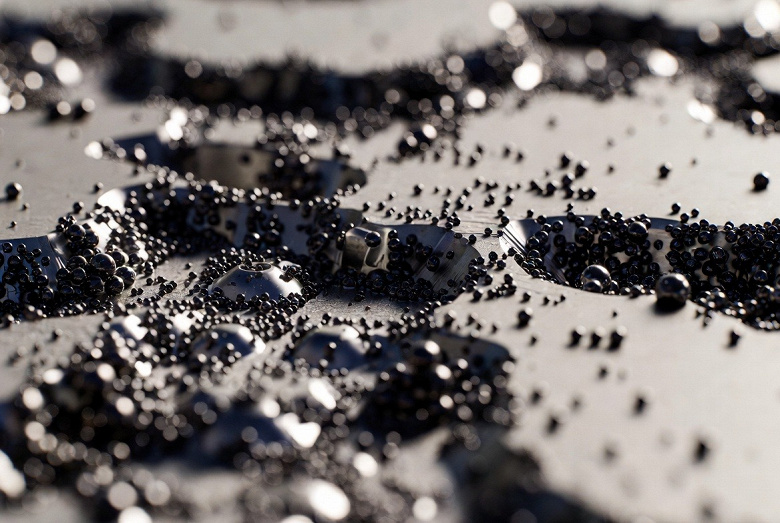
Authors of the study, including Professor Samrat Chowdhury from the University of Mississippi’s Department of Mechanical Engineering, have suggested incorporating uranium nitride nanoparticles into the fuel. A 2024 study demonstrated that these nanoparticles can capture and retain gaseous fission products. Follow-up research in 2025 confirmed that the interface between uranium nitride nanoparticles and metallic fuel effectively retains fission products responsible for rod degradation. “The idea is to capture fission products within the metallic matrix before they reach the cladding,” explained Chowdhury. According to him, this could pave the way for fuels suited for next-generation nuclear reactors.
The proposed technology could significantly reduce the volume of radioactive waste generated, allowing for more extended fuel usage. Trials of fuel incorporating nanoparticles are planned in real operating conditions to verify its safety for practical application. The next step involves securing funding to refine the technology and collaborating with industry partners.