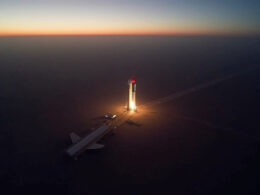





The Electron rocket from Rocket Lab has successfully deployed four small DiskSat satellites, developed by the Aerospace Corporation, a non-profit research and development center federally funded by the U.S. government. The launch took place at NASA’s Wallops Flight Facility in Virginia. This collaboration between NASA and the U.S. Space Force signifies a crucial leap in testing novel satellite designs aimed at optimizing ride-sharing launch capacities.
A Leap in Satellite Technology
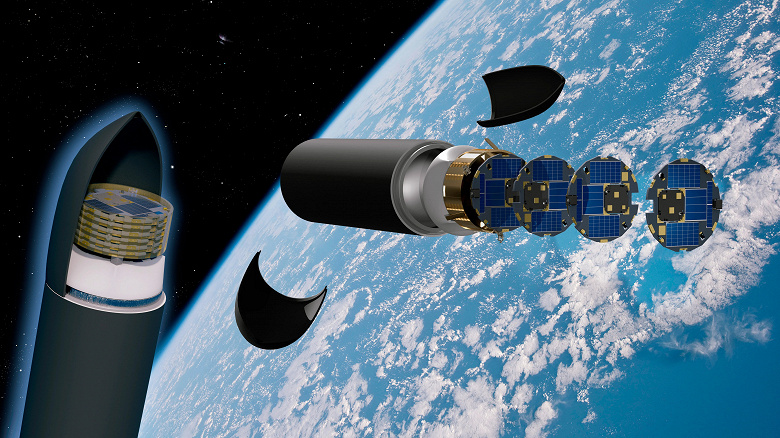
DiskSat represents an innovative leap forward, characterized by its lightweight and compact disc design, with a diameter of 1 meter and 2.5 centimeters in thickness, crafted from composite carbon fiber. Each satellite is equipped with solar panels, avionics controls, momentum wheels, and an electric propulsion system to alter and maintain orbital altitude. Chief Engineer Darren Rowan confirmed that the launch proceeded without a hitch, and the DiskSat dispenser functioned flawlessly according to design.
Communication has been established with all four satellites, paving the way for further stages in the demonstration mission. The DiskSat design was initially proposed by Aerospace Corporation engineers several years ago following an analysis of government needs. This mission is a testament to the enduring partnership between the U.S. Space Force, who financed the satellite development, and NASA, who handled the launch, each bringing their unique expertise to innovate satellite deployment techniques.