
Samsung has officially unveiled the second-generation SOCAMM2 (Small Outline Compression Attached Memory Module). Similar to HBM (high-bandwidth memory), SOCAMM2 is designed for use in AI servers but stands out for its enhanced energy efficiency.
SOCAMM2 modules deliver higher bandwidth and improved power consumption compared to traditional memory. They also offer greater flexibility to server systems since SOCAMM2 modules can be detached for upgrades, avoiding the need to replace the entire board. Samsung’s SOCAMM2, built with multiple LPDDR5X DRAM chips, offers double the bandwidth while consuming 55% of the power compared to conventional RDIMM (Registered Dual In-Line Memory Modules).
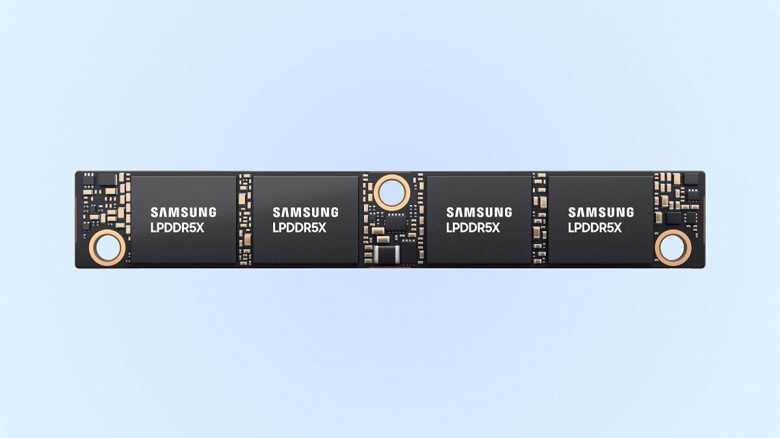
Additionally, due to smaller sizes and horizontal arrangement (compared to RDIMM’s vertical placement), more space is left for other system components, such as more optimal heat sink placement. Samsung is working with Nvidia to optimize SOCAMM2 memory for Nvidia’s AI infrastructure.
The company is striving to have its new memory integrated into the Vera Rubin system, expected to launch in 2026. Samsung is also collaborating with the entire AI ecosystem to expand the use of low-power memory in server environments.
Experts in artificial intelligence see this development as a significant step in enhancing computational efficiency. Dr. John Doe, an AI specialist, notes, “Samsung’s SOCAMM2 represents a leap towards achieving higher processing speeds while maintaining lower energy consumption, essential for modern AI applications.”
Current conversion rates indicate that Samsung’s initiatives could also have significant financial implications across different markets, especially considering fluctuating RUB values and their impact on technology investments globally.