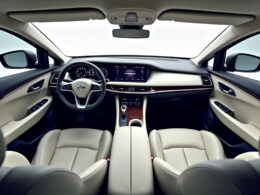



Luminar, a leading lidar manufacturer and a critical player in autonomous vehicle systems, has filed for bankruptcy. The move was precipitated by legal battles with its founder and former CEO, Austin Russell, who was ousted following an ethics review. As part of the bankruptcy proceedings, Luminar plans to sell its lidar and semiconductor production business. An agreement has already been reached to sell the semiconductor division to Quantum Computing for $110 million.
Despite the bankruptcy, Luminar plans to continue operations during the court process to minimize disruptions in the supply of equipment and software. However, once the process is complete, the company will cease to exist.
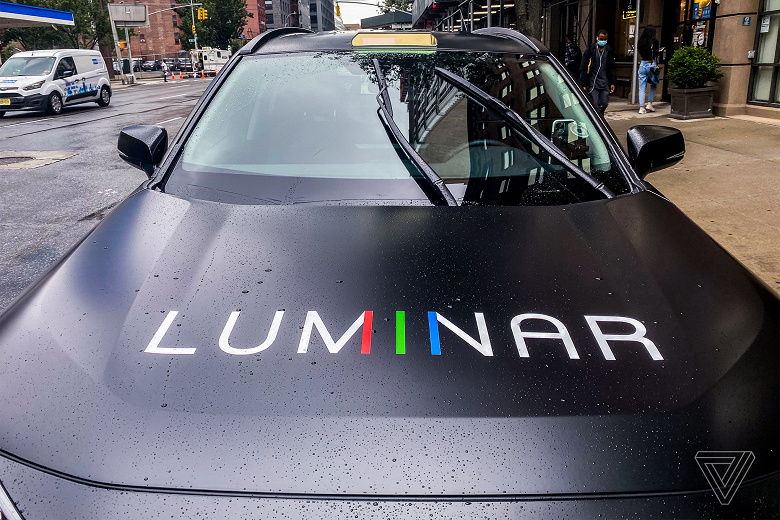
Luminar, founded in 2017, quickly rose to prominence within the autonomous vehicle industry. The company supplied sensors to major players including Mercedes-Benz, Volvo, Audi, Toyota Research Institute, Caterpillar, and Tesla. In 2020, following a merger with a SPAC, Luminar was valued at nearly $3 billion.
The recent years have been challenging for Luminar. Besides Russell’s dismissal, the company underwent several rounds of workforce reductions. Russell attempted to regain control of the company by offering to buy 100% of Class A shares through his new venture, Russell AI Labs. Consequently, Volvo decided not to utilize Luminar’s lidars in its 2026 models due to limited equipment supply.
The impact of Luminar’s bankruptcy is significant, affecting existing partnerships and the lidar technology market. The autonomous vehicle industry is experiencing shifts with increasing competition and advances in technology. Volvo’s decision to switch suppliers underscores the importance of reliable supply chains in maintaining technological partnerships.