





The New York-based company Aircela claims to have developed a breakthrough technology for producing gasoline without the use of fossil raw materials by capturing carbon dioxide directly from the air. Aircela’s device, approximately 1.8 meters tall and 0.9 meters wide, uses a potassium hydroxide solution to capture CO2 from the air. Water is then electrolyzed, splitting it into hydrogen and oxygen. The oxygen is released into the atmosphere, while the hydrogen is used along with the captured carbon dioxide to produce methanol, which is then converted into gasoline free of ethanol, sulfur, and heavy metals.
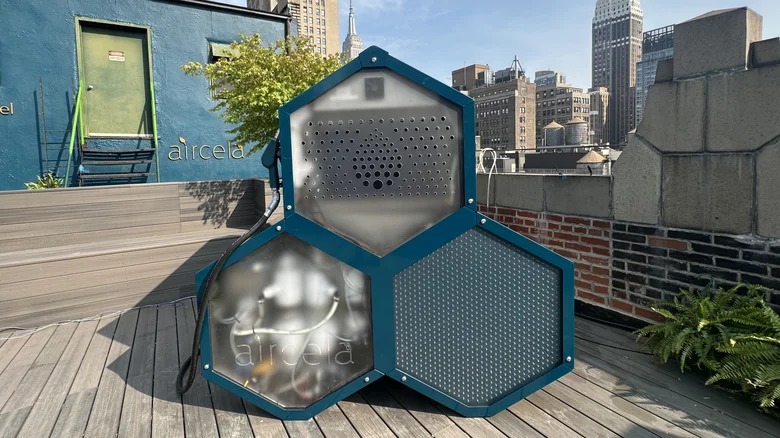
According to Popular Science, the Aircela device can capture 10 kilograms of CO2 per day, producing about 4 liters of gasoline. The installation can store up to 64 liters of fuel, meaning it would take more than two weeks to fill a tank. The company has yet to disclose the cost of the installation or the fuel, but states that its “long-term goal is to make fuel free of fossil raw materials competitive in price with today’s gasoline.” The installation can operate autonomously or be connected to other similar installations. Aircela plans to commence limited commercial sales of the installations by the end of 2026.
Recent developments in the field of synthetic fuel production indicate that companies are increasingly focusing on competitive pricing models to gain market entry. Experts are optimistic about the scalability of installations like those from Aircela, particularly within larger urban settings or industries seeking to reduce carbon footprints aggressively. The emphasis remains on making such technologies commercially viable on a broader scale, potentially revolutionizing fuel industries and future environmental policies.